
Jul 30
Jul 30
Jul 29
Jul 22
Jul 19
Jul 17
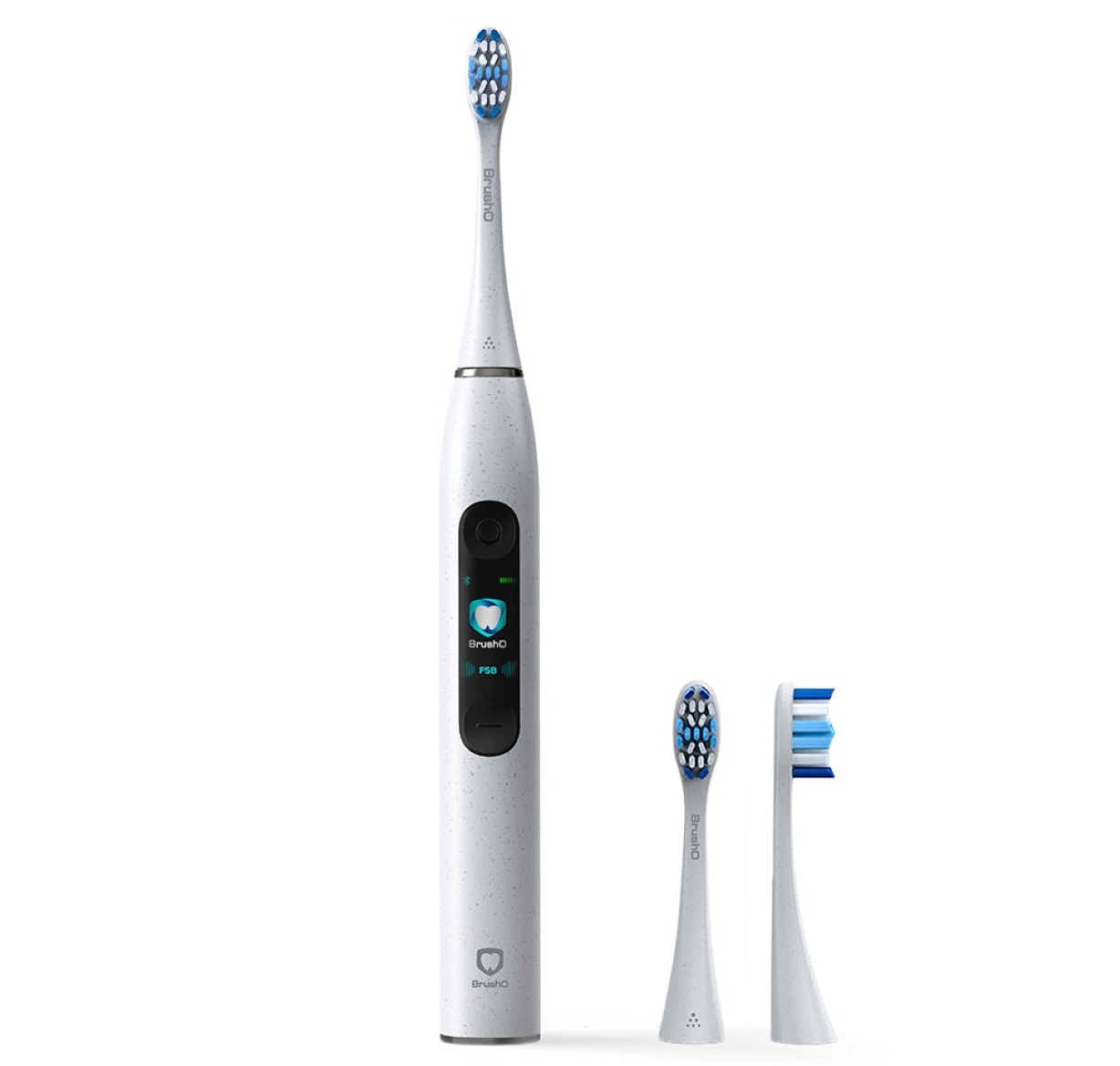
Brace care tips are essential for anyone wearing orthodontics. While braces straighten your smile, they also make daily oral hygiene more challenging. Small mistakes—like eating sticky foods or brushing too aggressively—can slow treatment, damage braces, and even harm your teeth. In this article, we’ll cover the key things you must avoid with braces, practical tips to stay on track, and how smart tools like BrushO make caring for braces easier than ever.
Braces create new surfaces where food and bacteria can hide. Plaque buildup around brackets and wires increases the risk of:
Cavities
Gum inflammation
Stains and white spots
Longer treatment times
👉 Good oral care is critical to protect both your braces and your teeth.
Many people think aggressive brushing cleans better. But with braces:
Hard brushing can damage wires and scratch brackets.
It can also wear down enamel and irritate gums.
Tip: Use a gentle or sensitive mode on your BrushO toothbrush to protect both braces and enamel.
Braces make flossing harder, but skipping it leads to plaque around wires and brackets.
Use floss threaders or interdental brushes to clean between teeth.
Consider a water flosser for easier daily care.
Certain foods can cause braces trouble:
Sticky foods (caramel, gum) → pull on brackets.
Hard foods (nuts, popcorn, ice) → can break wires.
Sugary snacks → increase cavity risk around braces.
Tip: Cut harder foods into smaller bites, and rinse after eating.
Some think brushing at home is enough, but braces require regular professional monitoring. Dentists and orthodontists check for:
Bracket stability
Wire tension
Plaque or tartar buildup
Skipping visits can delay your progress.
Plaque around brackets leads to white spot lesions—permanent marks on enamel after braces are removed.
Angle your toothbrush at 45 degrees to reach under brackets.
Brush for at least 2 minutes twice a day.
A smart electric toothbrush like BrushO solves many of these challenges:
AI-powered feedback ensures all tooth surfaces are cleaned.
Sensitive & gum-care modes protect enamel and gums.
Replaceable brush heads are designed for precision cleaning.
App tracking motivates consistency with scores and reminders.
👉 With BrushO, braces care becomes simpler, safer, and more effective.
Q1: Can I eat popcorn with braces?
No. Kernels can break wires or get stuck between brackets.
Q2: What toothbrush is best for braces?
A smart electric toothbrush with gentle modes and smaller heads, like BrushO, is ideal.
Q3: How often should I brush with braces?
At least twice daily, ideally after each meal.
Q4: Is flossing necessary with braces?
Yes. Flossing removes plaque where brushes can’t reach.
Caring for braces requires extra attention and discipline. Avoiding common mistakes—like brushing too hard, eating sticky foods, or skipping flossing—makes a huge difference in treatment success. With BrushO’s smart technology, braces users get guided brushing, safer modes, and consistent care that keeps teeth and gums healthy during orthodontic treatment.
Jul 30
Jul 30
Jul 29
Jul 22
Jul 19
Jul 17

Saliva has moved from the byproduct of the examination to the fluid that the modern practice can read, and the diagnostics that the salivary sample supports now reach from the caries risk to the periodontal inflammation and beyond. The fluid is easy to collect, safe to handle, and rich in the pro...

The narrow alveolar ridge is the common obstacle that the implant plan meets in the healed posterior site, and the ridge split technique is the approach that widens the crest without the block graft and the second surgical site. The technique uses the viscoelastic property of the bone, and the co...

The resin-bonded bridge is the conservative alternative to the conventional fixed prosthesis, and its place in the modern practice has widened as the adhesive dentistry matured. The prosthesis replaces the missing tooth with the minimal removal of the enamel from the abutment, and the retention i...

The systemic antibiotic has a defined and a narrow place in the periodontal therapy, and the clinician who respects its limits uses it well while the clinician who reaches for it routinely erodes both the result and the antibiotic stewardship. The mechanical debridement remains the foundation of ...

The bond failure of the bracket is the interruption that the fixed orthodontic treatment can tolerate in the small number but not in the pattern, and the clinician who understands the cause reduces the frequency that the repeated rebonding records. The failure that recurs on the single tooth poin...

The prescription pad is one of the most common sources of the oral complaint that the patient brings to the dental office, and the clinician who does not think of the medication may spend the appointment treating the symptom that the drug created. The list of the agents that affect the mouth grow...

The intraoral scanner has moved from the novelty of the early adopters to the standard equipment of the modern prosthodontic practice, and the comparison with the conventional impression has become a daily question rather than an academic one. The scanner captures the surface of the teeth and the...

The endodontic retreatment is the second chance that the tooth receives when the initial treatment fails to resolve the infection or the symptoms, and the procedure is both more demanding and more rewarding than the primary treatment. The clinician who retreats the tooth encounters the filling ma...

The access preparation is the gateway of every root canal treatment, and it is the step at which the outcome of the case is most often decided, for good or for ill. A well-designed access straightens the canal system, removes the coronal obstruction, and allows the instruments and the irrigants t...

The restoration that the laboratory returns is only as good as the information that the clinician sends, and the communication between the dentist and the technician is the step that determines whether the crown, the veneer, or the bridge meets the expectation of the patient. The shade, the form,...

Lo spazzolino elettrico BrushO con IA offre guida in tempo reale, feedback sulla pressione, monitoraggio della copertura e report di progresso nell’app per una routine quotidiana più pulita.
Lo spazzolino elettrico BrushO con IA offre guida in tempo reale, feedback sulla pressione, monitoraggio della copertura e report di progresso nell’app per una routine quotidiana più pulita.


Address: RM 1427, 14/F RADIO CITY 505, HENNESSY RD CAUSEWAY BAY, HONG KONG
Code: 000000
Phone: +852-53758652
Email: customerservice@brusho.com