
Jul 30
Jul 30
Jul 29
Jul 22
Jul 19
Jul 17
Let’s explore how smart toothbrushes—particularly BrushO—are changing the way we approach oral health, and why making the switch might be one of the best investments in your long-term well-being.
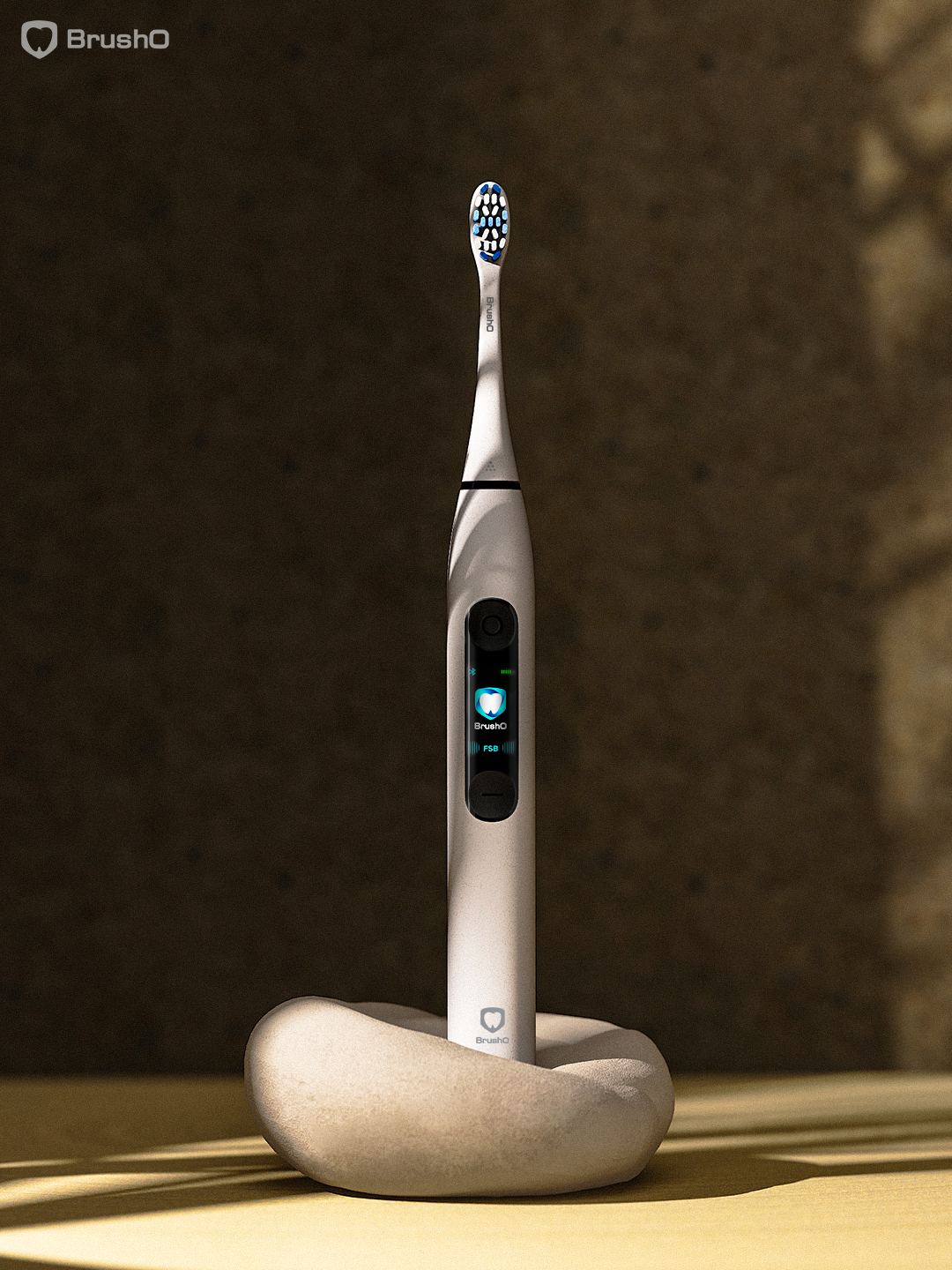
At its core, a smart toothbrush is an electric toothbrush enhanced with advanced technologies like motion sensors, pressure sensors, Bluetooth connectivity, and artificial intelligence (AI). These features are designed to:
Track your brushing habits
Provide real-time feedback
Identify missed areas
Optimize pressure and timing
Deliver personalized coaching through companion apps
Unlike traditional electric toothbrushes that only vibrate or rotate, smart toothbrushes actively help users brush better—not just harder.
Most people assume they’re brushing correctly, but studies show that 90% of us miss key areas or brush too harshly. Over time, these mistakes can lead to plaque buildup, receding gums, or enamel erosion.
Smart toothbrushes like BrushO bridge this gap by turning guesswork into guided care. Real-time feedback ensures you’re brushing thoroughly, evenly, and with the right technique—every single time.
While many brands offer electric toothbrushes with some smart functions, BrushO is built from the ground up as a smart oral health system.
Here’s how BrushO stands out:
🧠 AI-Powered Coaching: Our AI engine learns your brushing behavior over time and offers suggestions tailored to your needs.
📱 Smart Companion App: The BrushO app provides daily brushing scores, tracks progress, detects missed spots, and motivates users with visualized data.
🔋 Efficient Design: A full charge lasts up to 30–40 days, making it perfect for travel.
💦 Waterproof & Durable: Rated IPX7 waterproof, BrushO is safe for shower use and built to last.
As with any device, there are a few considerations when using a smart toothbrush:
💰 Initial Cost: Smart toothbrushes are more expensive than manual ones. However, BrushO includes free brush head replacements and long-term performance benefits, making it a better investment.
🔌 Charging: While some brushes require weekly charging, BrushO minimizes this with long-lasting battery life.
📲 App Dependency: Some users may find companion apps overwhelming, but BrushO’s interface is user-friendly and designed for beginners and tech-savvy users alike.
Yes—especially when it comes to improving brushing technique and consistency. According to a 2024 ADA consumer report:
“Smart toothbrushes help patients monitor and improve their habits between check-ups, leading to measurable oral health improvements.”
For patients with gum sensitivity, orthodontic devices, or chronic issues like plaque or halitosis, smart brushing adds a new layer of care that manual or basic electric brushes can’t offer.
The future of oral care isn’t just about better cleaning—it’s about better understanding. BrushO empowers users with personalized insights, professional-level guidance, and a sleek user experience that fits seamlessly into daily routines.
So, what makes a toothbrush smart? It's not just sensors and apps—it’s the ability to make your oral care routine more effective, convenient, and connected.
If you’re still using a manual or basic electric brush, now is the time to upgrade. Discover the benefits of data-driven brushing and take the guesswork out of oral hygiene with BrushO.
👉 Learn more: BrushO
Jul 30
Jul 30
Jul 29
Jul 22
Jul 19
Jul 17

PPM describes concentration, not the amount to put on the brush. Learn how to read fluoride information while keeping regional guidance and individual advice in view.

That forgotten tube deserves a label check. Learn what toothpaste shelf-life information refers to, why storage matters, and how to avoid guessing from appearance.

Clear gel or opaque paste? Texture is only one feature. Learn which label details matter when comparing toothpastes for your brushing routine.

Minty toothpaste can create a cooling sensation without being chilled. Explore what menthol does and why a fresh feeling is different from complete cleaning.

The sound of a powered brush comes with its moving mechanism. Learn how normal operating noise differs from alerts or an unexpected change that needs checking.

Toothpaste on the mirror? Check when you switch the brush on and off, how you position it, and how to pause without rushing your routine.

A whitening brushing program and a bleaching treatment are different things. Learn how to interpret mode names, surface-stain claims, and realistic expectations.

A tiny cluster of bristles serves a different purpose from a full-size head. Learn where a single-tuft brush may fit into an individually recommended cleaning routine.

Angled tufts, different bristle heights, and the angle of your hand are separate design questions. Learn how to read a toothbrush-head description clearly.

A larger head is not an automatic shortcut to cleaner teeth. Learn how head size affects access, positioning, and the fit of your daily brushing routine.

BrushO AI इलेक्ट्रिक टूथब्रश रियल-टाइम ब्रशिंग गाइड, प्रेशर फीडबैक, कवरेज ट्रैकिंग और ऐप-आधारित प्रगति रिपोर्ट देता है, ताकि आपकी दैनिक दिनचर्या अधिक साफ और समझने योग्य बने।
BrushO AI इलेक्ट्रिक टूथब्रश रियल-टाइम ब्रशिंग गाइड, प्रेशर फीडबैक, कवरेज ट्रैकिंग और ऐप-आधारित प्रगति रिपोर्ट देता है, ताकि आपकी दैनिक दिनचर्या अधिक साफ और समझने योग्य बने।


Address: RM 1427, 14/F RADIO CITY 505, HENNESSY RD CAUSEWAY BAY, HONG KONG
Code: 000000
Phone: +852-53758652
Email: customerservice@brusho.com