
Jul 30
Jul 30
Jul 29
Jul 22
Jul 19
Jul 17
Not sure when to toss your old toothbrush? You’re not alone. Worn-out bristles, bacteria buildup, and decreased cleaning power could all mean it’s time for a replacement. In this post, we’ll help you recognize the signs your toothbrush is too old—and show how BrushO’s AI-powered tracking and lifetime free brush head program make replacements easy.
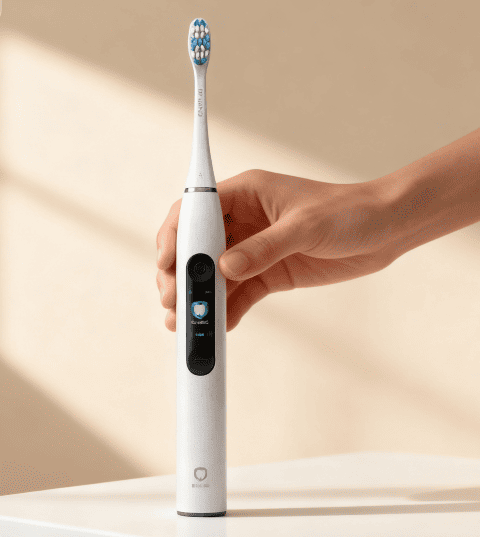
Your toothbrush is the frontline tool in maintaining oral hygiene. But over time, even the best toothbrush—manual or electric—loses its effectiveness. Old toothbrushes can harbor bacteria, lose their cleaning power, and even harm your gums. So, how do you know when it’s time to replace your brush head?
This is the most obvious sign. Worn bristles can’t clean your teeth properly and may irritate your gums. If you notice the bristles have lost their original shape, it’s time for a replacement.
Dentists recommend replacing your toothbrush or brush head every 3 months. After this period, bristles lose effectiveness and bacteria begin to accumulate.
If brushing doesn’t leave your mouth feeling as fresh or clean as before, it could be because the bristles aren’t reaching plaque and debris as effectively.
After an illness, it’s smart to change your brush head. Germs can linger on bristles and potentially lead to reinfection.
Using an old toothbrush can lead to:
-Increased plaque buildup
-Bad breath
-Gum irritation or recession
-Less effective fluoride delivery from toothpaste
-Risk of bacteria or fungal contamination
BrushO isn’t just a smart toothbrush—it’s a brushing partner. With AI-powered usage tracking, BrushO monitors your brushing frequency, pressure, and duration. When it detects your brush head is due for a change, it reminds you directly in the app or via smart alerts.
And here’s the game-changer:
That’s right. As part of the BrushO Reward System, you can earn points by maintaining healthy brushing habits. Once you’ve earned enough points, you can redeem them for free brush heads—forever. This disrupts the traditional model of toothbrush companies profiting from expensive refills.
📌 BrushO’s lifetime brush head plan requires consistent daily brushing to earn points and qualify for free redemptions.
Use a calendar app or your phone’s reminder system. Or better—let BrushO handle this for you automatically.
Always have at least one new brush head on hand, so you can switch as soon as needed.
Your oral health is too important to rely on worn-out tools. Replacing your toothbrush—or better, switching to a smart solution like BrushO—ensures your brushing is always effective, hygienic, and safe. With BrushO’s AI-powered tracking and free lifetime brush head plan, you’ll never worry about brushing with an old toothbrush again.
Nov 3
Nov 3
Jul 30
Jul 30
Jul 29
Jul 22
Jul 19
Jul 17

PPM describes concentration, not the amount to put on the brush. Learn how to read fluoride information while keeping regional guidance and individual advice in view.

That forgotten tube deserves a label check. Learn what toothpaste shelf-life information refers to, why storage matters, and how to avoid guessing from appearance.

Clear gel or opaque paste? Texture is only one feature. Learn which label details matter when comparing toothpastes for your brushing routine.

Minty toothpaste can create a cooling sensation without being chilled. Explore what menthol does and why a fresh feeling is different from complete cleaning.

The sound of a powered brush comes with its moving mechanism. Learn how normal operating noise differs from alerts or an unexpected change that needs checking.

Toothpaste on the mirror? Check when you switch the brush on and off, how you position it, and how to pause without rushing your routine.

A whitening brushing program and a bleaching treatment are different things. Learn how to interpret mode names, surface-stain claims, and realistic expectations.

A tiny cluster of bristles serves a different purpose from a full-size head. Learn where a single-tuft brush may fit into an individually recommended cleaning routine.

Angled tufts, different bristle heights, and the angle of your hand are separate design questions. Learn how to read a toothbrush-head description clearly.

A larger head is not an automatic shortcut to cleaner teeth. Learn how head size affects access, positioning, and the fit of your daily brushing routine.

BrushO AI इलेक्ट्रिक टूथब्रश रियल-टाइम ब्रशिंग गाइड, प्रेशर फीडबैक, कवरेज ट्रैकिंग और ऐप-आधारित प्रगति रिपोर्ट देता है, ताकि आपकी दैनिक दिनचर्या अधिक साफ और समझने योग्य बने।
BrushO AI इलेक्ट्रिक टूथब्रश रियल-टाइम ब्रशिंग गाइड, प्रेशर फीडबैक, कवरेज ट्रैकिंग और ऐप-आधारित प्रगति रिपोर्ट देता है, ताकि आपकी दैनिक दिनचर्या अधिक साफ और समझने योग्य बने।


Address: RM 1427, 14/F RADIO CITY 505, HENNESSY RD CAUSEWAY BAY, HONG KONG
Code: 000000
Phone: +852-53758652
Email: customerservice@brusho.com