
Jul 30
Jul 30
Jul 29
Jul 22
Jul 19
Jul 17
Sugar is widely recognized as a leading contributor to tooth decay, yet environmental dryness may pose an equally significant — and often overlooked — threat. Dry air reduces saliva production, weakening the mouth’s natural defense system responsible for neutralizing acids, repairing enamel, and controlling harmful bacteria. When oral hydration drops, plaque becomes more aggressive and enamel more vulnerable, creating conditions that accelerate cavity formation even without high sugar intake. Understanding this physiological relationship helps individuals adopt preventative strategies and leverage advanced oral-care technologies to protect long-term dental health.
Sugar contributes to tooth decay by feeding acid-producing bacteria. However, cavities develop when protective mechanisms fail, not just when sugar is present.
Key protective mechanisms include:
• Saliva buffering acids
• Mineral replenishment of enamel
• Mechanical cleansing of food particles
• Microbial balance regulation
Dry air disrupts all of these defenses simultaneously, amplifying decay risk regardless of diet.
Saliva functions as the mouth’s primary protective system.
Saliva buffers pH levels, preventing prolonged enamel exposure to acid.
Calcium and phosphate in saliva repair microscopic enamel damage.
Antimicrobial proteins regulate harmful microbial populations.
Prevents plaque adhesion and bacterial concentration.
When saliva production decreases, these protections weaken dramatically.
Dry environments accelerate evaporation from mucosal surfaces, reducing saliva availability.
Common triggers:
• Air conditioning
• Indoor heating
• Airplane travel
• Seasonal climate shifts
• Low-humidity workplaces
Low moisture allows bacteria to concentrate, producing acids more efficiently and remaining in contact with enamel longer.
Without sufficient remineralization support, enamel microdamage accumulates, progressing toward decay.
While sugar initiates bacterial acid production, dry air:
• Prolongs acid exposure
• Reduces neutralization
• Weakens enamel repair
• Enhances bacterial density
This combination creates a compounding effect that may accelerate cavity formation beyond dietary factors alone.
• Persistent dry mouth sensation
• Sticky or thick saliva
• Increased sensitivity
• Frequent plaque accumulation
• Cracked lips or tongue discomfort
• Elevated cavity occurrence
Early awareness enables preventive intervention.
• Drink water regularly
• Use humidifiers in dry seasons
• Avoid excessive caffeine or alcohol
• Sugar-free gum
• Fiber-rich foods
• Proper chewing habits
Removing bacterial biofilm becomes even more critical when natural defenses weaken.
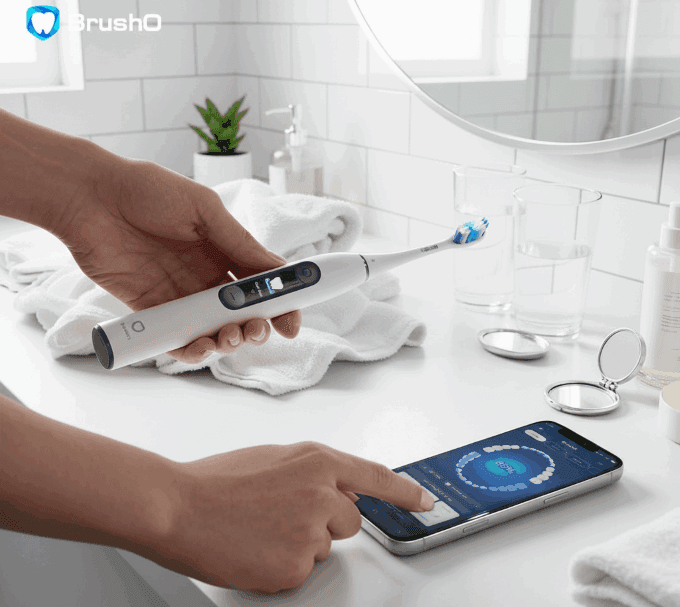
Smart brushing technologies such as BrushO enhance protection through:
• Pressure control protecting enamel
• Zone tracking eliminating bacterial buildup
• Habit analytics identifying risk patterns
• Adaptive brushing modes for sensitive conditions
These features compensate for reduced natural oral defenses.
Environmental factors are increasingly recognized as contributors to dental disease progression. Maintaining hydration, monitoring environmental exposure, and implementing intelligent brushing systems provide a comprehensive defense strategy against cavity development.
Sugar remains a well-known cavity trigger, but dry air undermines the biological systems that protect teeth daily. By reducing saliva effectiveness, altering bacterial dynamics, and weakening enamel repair mechanisms, low humidity environments create conditions that accelerate tooth decay. Adopting hydration awareness, consistent hygiene practices, and data-guided oral care solutions such as BrushO helps restore protective balance and maintain long-term dental resilience. Protecting your teeth isn’t just about limiting sugar — it’s about supporting the environment your mouth depends on to stay healthy.
Jul 30
Jul 30
Jul 29
Jul 22
Jul 19
Jul 17

If you are thirsty after brushing, choose plain water. Plan your usual bedtime drink before brushing and skip the immediate rinse at the sink.

Waterpik recommends warm water for its flossers. Check your own model and use comfortably lukewarm water if cold water feels sharp.

Let an intact handle return to room temperature before you consider charging it. Check your manual and watch for signs of battery or housing damage.

Lift away the paste, check the care label, and use cool water on washable fabric. Here is a quick approach for a fresh spot.

Turn the brush off, then check the fit, the connection, and the condition of the head. A second compatible head can help you narrow it down.

Look for a clean, rigid container with a secure lid and keep it with your belongings. A napkin on a lunch tray is easy to clear away.

Check the care directions for your clear retainer. Clinics give different instructions, and the right cleaning method depends on the appliance you received.

Try a gentle rinse first. If the hull sits between teeth and floss moves freely, make a careful pass and stop if it still feels stuck.

A tight gap or rough edge can catch floss. Notice where it snags, keep the movement gentle, and find out when to ask your dentist to check.

Your first sip can taste sharp after brushing. Here is what may be changing and how to make breakfast taste like breakfast again.

La brosse à dents électrique BrushO avec IA offre un guidage en temps réel, un retour sur la pression, un suivi de la couverture et des rapports de progression dans l’app pour une routine quotidienne plus propre.
La brosse à dents électrique BrushO avec IA offre un guidage en temps réel, un retour sur la pression, un suivi de la couverture et des rapports de progression dans l’app pour une routine quotidienne plus propre.


Address: RM 1427, 14/F RADIO CITY 505, HENNESSY RD CAUSEWAY BAY, HONG KONG
Code: 000000
Phone: +852-53758652
Email: customerservice@brusho.com