
Jul 30
Jul 30
Jul 29
Jul 22
Jul 19
Jul 17
Many people believe that brushing their teeth twice a day is enough to maintain good oral health—but brushing the wrong way can be just as damaging as not brushing at all. Over time, poor brushing techniques can lead to enamel wear, gum recession, chronic inflammation, and even early tooth loss. This article explores the hidden consequences of incorrect brushing, how to identify the signs, and how AI-powered solutions like BrushO can help you correct your habits before they turn into long-term dental issues.
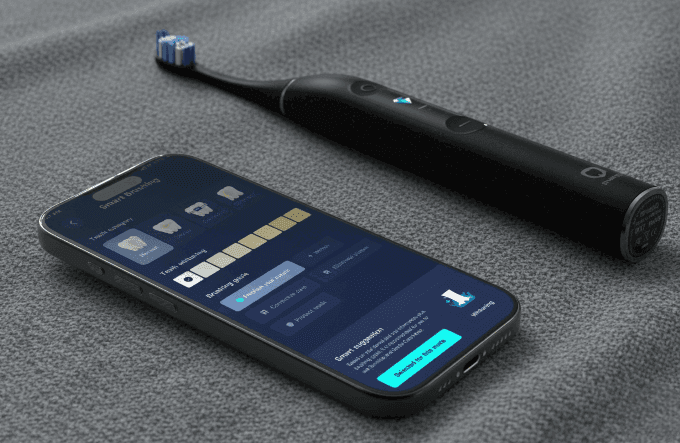
Brushing twice a day is a good start, but how you brush is equally important. Aggressive scrubbing, incorrect angles, skipping zones, and short brushing durations can all reduce brushing effectiveness while accelerating damage.
• Applying too much pressure
• Using a toothbrush with stiff bristles
• Brushing for less than 2 minutes
• Missing hard-to-reach zones like molars or gumline
• Skipping brushing after acidic meals
Brushing too hard or too soon after consuming acidic food can erode the enamel layer. Since enamel doesn’t regenerate, this can lead to permanent sensitivity and discoloration.
Excessive pressure or horizontal scrubbing pulls the gum tissue away from the teeth, exposing sensitive roots and increasing the risk of decay.
Exposed dentin from enamel wear or receding gums can cause discomfort when consuming hot, cold, or sweet foods.
Missing zones during brushing allows plaque buildup, which leads to bacterial growth and decay, especially in tight areas like between teeth or near the gumline.
Over time, chronic inflammation from poor brushing can weaken the supporting structures of teeth, increasing the likelihood of tooth mobility and loss.
You might not feel pain until the damage is done. Look out for:
• Teeth that look longer (a sign of gum recession)
• Yellowish appearance despite regular brushing
• Sharp sensitivity to temperature or sweets
• Bleeding while brushing or flossing
AI-powered smart toothbrushes like BrushO solve these issues before they cause long-term damage. Features include:
Notifies you when you’re brushing too hard—helping prevent enamel wear and gum recession.
With 6-zone and 16-surface tracking, BrushO ensures every area of your mouth gets proper attention.
Built-in timer and zone guide help you maintain consistent, effective brushing every time.
Receive detailed brushing reports in the app to track improvement and spot risky habits.
BrushO motivates long-term improvement by rewarding good brushing with free brush heads and more.
• Use a soft-bristled toothbrush or switch to an AI-powered brush
• Hold the brush at a 45-degree angle to the gumline
• Use small, circular motions instead of back-and-forth scrubbing
• Don’t brush immediately after acidic food or drinks—wait 30 minutes
• Floss before brushing to loosen debris
• Rinse gently with fluoride mouthwash afterward
Brushing daily isn’t enough—brushing correctly is what protects your teeth and gums for life. The long-term effects of poor technique may not be visible at first, but can lead to serious and irreversible damage. Fortunately, smart solutions like BrushO help you build better brushing habits with precision feedback, coverage tracking, and pressure monitoring. With proper technique and the right tools, you can preserve your smile for decades to come.
Jan 27
Jan 27
Jul 30
Jul 30
Jul 29
Jul 22
Jul 19
Jul 17

PPM describes concentration, not the amount to put on the brush. Learn how to read fluoride information while keeping regional guidance and individual advice in view.

That forgotten tube deserves a label check. Learn what toothpaste shelf-life information refers to, why storage matters, and how to avoid guessing from appearance.

Clear gel or opaque paste? Texture is only one feature. Learn which label details matter when comparing toothpastes for your brushing routine.

Minty toothpaste can create a cooling sensation without being chilled. Explore what menthol does and why a fresh feeling is different from complete cleaning.

The sound of a powered brush comes with its moving mechanism. Learn how normal operating noise differs from alerts or an unexpected change that needs checking.

Toothpaste on the mirror? Check when you switch the brush on and off, how you position it, and how to pause without rushing your routine.

A whitening brushing program and a bleaching treatment are different things. Learn how to interpret mode names, surface-stain claims, and realistic expectations.

A tiny cluster of bristles serves a different purpose from a full-size head. Learn where a single-tuft brush may fit into an individually recommended cleaning routine.

Angled tufts, different bristle heights, and the angle of your hand are separate design questions. Learn how to read a toothbrush-head description clearly.

A larger head is not an automatic shortcut to cleaner teeth. Learn how head size affects access, positioning, and the fit of your daily brushing routine.

La brosse à dents électrique BrushO avec IA offre un guidage en temps réel, un retour sur la pression, un suivi de la couverture et des rapports de progression dans l’app pour une routine quotidienne plus propre.
La brosse à dents électrique BrushO avec IA offre un guidage en temps réel, un retour sur la pression, un suivi de la couverture et des rapports de progression dans l’app pour une routine quotidienne plus propre.


Address: RM 1427, 14/F RADIO CITY 505, HENNESSY RD CAUSEWAY BAY, HONG KONG
Code: 000000
Phone: +852-53758652
Email: customerservice@brusho.com