
Jul 30
Jul 30
Jul 29
Jul 22
Jul 19
Jul 17
How to clean an electric toothbrush? It’s a question more important than most realize. A toothbrush may keep your teeth healthy, but without proper cleaning, it can quickly become a breeding ground for bacteria. In this guide, we’ll cover daily and weekly cleaning routines, the mistakes you must avoid, and how BrushO’s smart design—IPX7 waterproofing, anti-splash technology, and Qi wireless charging—makes toothbrush hygiene effortless.
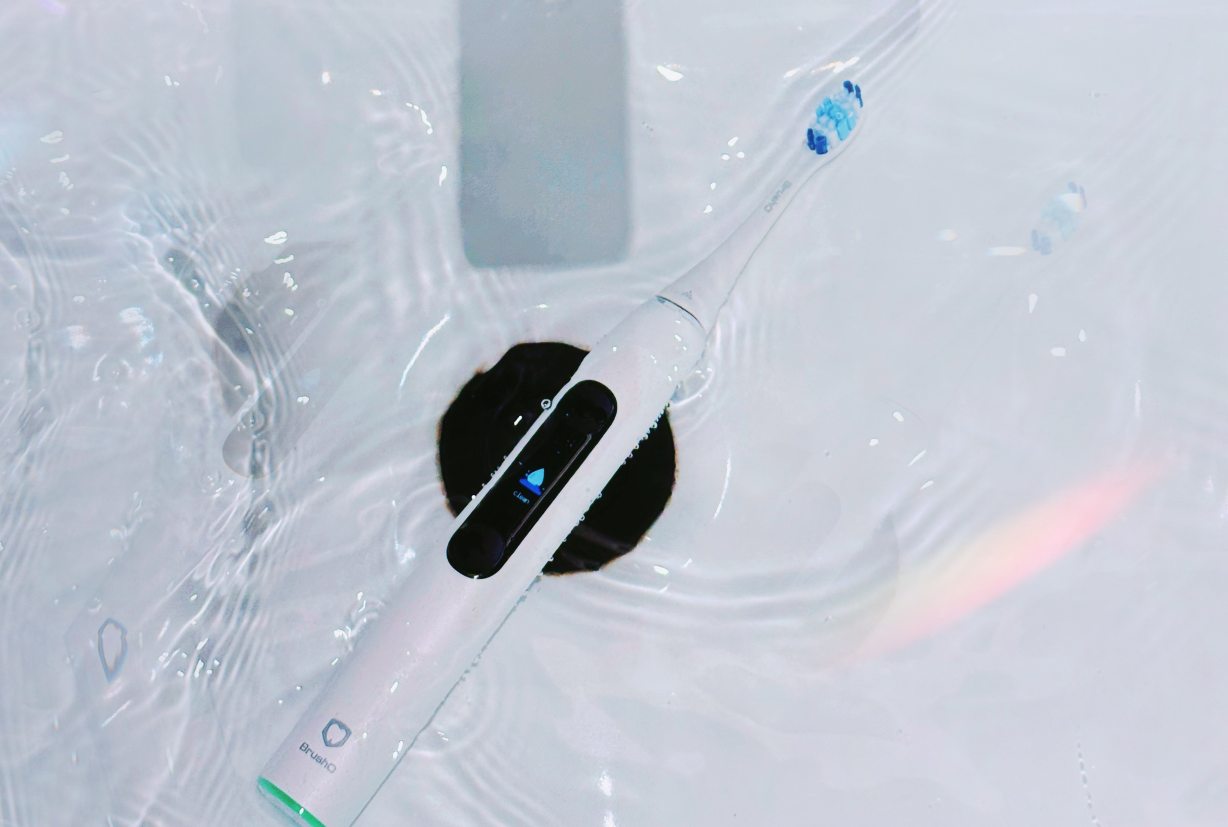
Oral hygiene isn’t just about brushing—it’s also about maintaining the tools you rely on.
These mistakes often cause more harm than good—especially for waterproof smart toothbrushes.
BrushO is designed to simplify toothbrush hygiene:
Fully safe to rinse under running water, reducing bacterial buildup risk.
Keeps toothpaste residue to a minimum, making cleaning faster.
No exposed metal ports = fewer hygiene issues, no corrosion risk.
Swap out every 3 months without worrying about stock—each box comes with four.
👉 With BrushO, cleaning is less of a chore and more of a quick routine.
Q1: Can I clean my electric toothbrush with mouthwash?
Yes. Soaking the brush head in mouthwash helps kill bacteria.
Q2: How often should I deep clean the handle?
Once a week is recommended, or more often if residue builds up.
Q3: Is BrushO safe to rinse under water?
Yes. Thanks to its IPX7 waterproof rating, it can be rinsed safely.
Q4: Do I need to clean if I replace brush heads regularly?
Yes. Handles and charging bases still require cleaning.
Keeping your electric toothbrush clean is as essential as brushing itself. With the right care, you extend the life of your device, protect your oral health, and avoid costly replacements.
The BrushO Smart Electric Toothbrush makes it even easier with IPX7 waterproofing, an anti-splash design, Qi wireless charging, and 4 replaceable heads.
Jul 30
Jul 30
Jul 29
Jul 22
Jul 19
Jul 17

PPM describes concentration, not the amount to put on the brush. Learn how to read fluoride information while keeping regional guidance and individual advice in view.

That forgotten tube deserves a label check. Learn what toothpaste shelf-life information refers to, why storage matters, and how to avoid guessing from appearance.

Clear gel or opaque paste? Texture is only one feature. Learn which label details matter when comparing toothpastes for your brushing routine.

Minty toothpaste can create a cooling sensation without being chilled. Explore what menthol does and why a fresh feeling is different from complete cleaning.

The sound of a powered brush comes with its moving mechanism. Learn how normal operating noise differs from alerts or an unexpected change that needs checking.

Toothpaste on the mirror? Check when you switch the brush on and off, how you position it, and how to pause without rushing your routine.

A whitening brushing program and a bleaching treatment are different things. Learn how to interpret mode names, surface-stain claims, and realistic expectations.

A tiny cluster of bristles serves a different purpose from a full-size head. Learn where a single-tuft brush may fit into an individually recommended cleaning routine.

Angled tufts, different bristle heights, and the angle of your hand are separate design questions. Learn how to read a toothbrush-head description clearly.

A larger head is not an automatic shortcut to cleaner teeth. Learn how head size affects access, positioning, and the fit of your daily brushing routine.

La brosse à dents électrique BrushO avec IA offre un guidage en temps réel, un retour sur la pression, un suivi de la couverture et des rapports de progression dans l’app pour une routine quotidienne plus propre.
La brosse à dents électrique BrushO avec IA offre un guidage en temps réel, un retour sur la pression, un suivi de la couverture et des rapports de progression dans l’app pour une routine quotidienne plus propre.


Address: RM 1427, 14/F RADIO CITY 505, HENNESSY RD CAUSEWAY BAY, HONG KONG
Code: 000000
Phone: +852-53758652
Email: customerservice@brusho.com