
Jul 30
Jul 30
Jul 29
Jul 22
Jul 19
Jul 17
Snoring affects millions of people and their sleep partners, yet it’s often dismissed as harmless. In reality, snoring can be a warning sign of deeper health problems, from nasal blockage to sleep apnea. Understanding what causes snoring is the first step to better sleep, better breathing, and even better oral hygiene. In this article, we’ll explore the science behind snoring, how it affects oral health, and smart steps you can take to reduce it—starting with your nightly routine and brushing habits.
Snoring occurs when airflow through the nose and throat is partially blocked during sleep. This obstruction causes surrounding tissues to vibrate, producing the familiar snoring sound. But what causes these blockages in the first place?
Sleeping with an open mouth can lead to tongue collapse and airway obstruction.
Lying on your back causes gravity to pull the tongue and soft tissues downward, narrowing the airway.
Swollen nasal passages make breathing harder, increasing the chance of snoring.
Excess tissue around the throat adds pressure to the airway.
These relax throat muscles too much, encouraging airway collapse.
Structural problems can contribute to chronic snoring.
In severe cases, snoring may be a symptom of obstructive sleep apnea, a condition that temporarily stops breathing during sleep.
You might not think snoring and oral hygiene are connected—but they are:
Snoring usually involves mouth breathing, which dries out saliva. Saliva helps protect teeth by neutralizing acid and washing away bacteria.
A dry mouth creates the perfect environment for odor-causing bacteria to flourish.
Lack of saliva can lead to inflamed gums and increase the risk of gingivitis.
Without sufficient saliva, enamel is more vulnerable to acid erosion and plaque buildup.
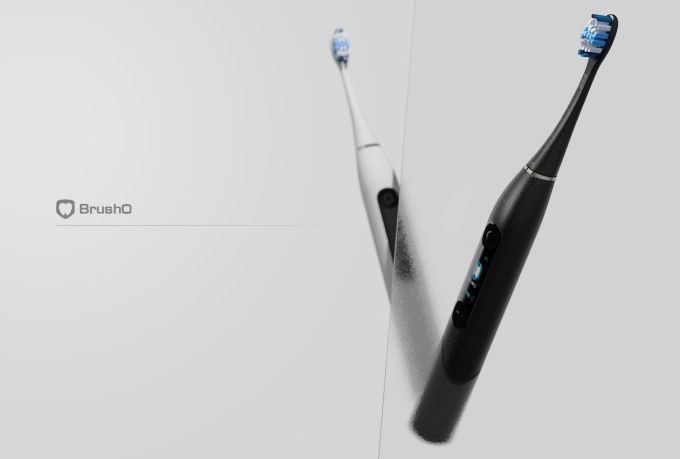
Your brushing routine can directly influence your nighttime breathing. BrushO enhances oral health with:
Covers all 16 surfaces of your mouth, especially those affected by dry mouth.
Helps soothe irritated gums caused by snoring-induced dryness.
Track your oral hygiene progress and identify issues caused by mouth breathing.
By encouraging better brushing habits, BrushO also reminds you to care for your entire oral environment, including saliva balance.
A clean mouth reduces bacterial buildup, which can worsen inflammation.
This keeps your airway more open than sleeping on your back.
Keeps airways moist, reducing irritation and blockage.
Prevents over-relaxation of throat muscles.
Reduces pressure on the airway.
Keeps air passages clear and reduces snoring frequency.
Snoring is more than just noise—it’s a signal from your body. Whether it’s from posture, breathing issues, or oral dryness, understanding the cause is key to healthier sleep. With smart tools like BrushO, you’re not just brushing—you’re reinforcing better oral habits that support better breathing and better rest.
BrushO is an AI-powered smart toothbrush that improves brushing habits through real-time feedback, zone tracking, and personalized care modes. Whether you’re dealing with dry mouth, gum irritation, or want a healthier oral environment, BrushO helps make your brushing smarter and your health stronger.
Jul 30
Jul 30
Jul 29
Jul 22
Jul 19
Jul 17

If you are thirsty after brushing, choose plain water. Plan your usual bedtime drink before brushing and skip the immediate rinse at the sink.

Waterpik recommends warm water for its flossers. Check your own model and use comfortably lukewarm water if cold water feels sharp.

Let an intact handle return to room temperature before you consider charging it. Check your manual and watch for signs of battery or housing damage.

Lift away the paste, check the care label, and use cool water on washable fabric. Here is a quick approach for a fresh spot.

Turn the brush off, then check the fit, the connection, and the condition of the head. A second compatible head can help you narrow it down.

Look for a clean, rigid container with a secure lid and keep it with your belongings. A napkin on a lunch tray is easy to clear away.

Check the care directions for your clear retainer. Clinics give different instructions, and the right cleaning method depends on the appliance you received.

Try a gentle rinse first. If the hull sits between teeth and floss moves freely, make a careful pass and stop if it still feels stuck.

A tight gap or rough edge can catch floss. Notice where it snags, keep the movement gentle, and find out when to ask your dentist to check.

Your first sip can taste sharp after brushing. Here is what may be changing and how to make breakfast taste like breakfast again.

El cepillo eléctrico BrushO con IA ofrece guía de cepillado en tiempo real, feedback de presión, seguimiento de cobertura e informes de progreso en la app para una rutina diaria más limpia.
El cepillo eléctrico BrushO con IA ofrece guía de cepillado en tiempo real, feedback de presión, seguimiento de cobertura e informes de progreso en la app para una rutina diaria más limpia.


Address: RM 1427, 14/F RADIO CITY 505, HENNESSY RD CAUSEWAY BAY, HONG KONG
Code: 000000
Phone: +852-53758652
Email: customerservice@brusho.com