
Jul 30
Jul 30
Jul 29
Jul 22
Jul 19
Jul 17
Most people rarely think about how they breathe, yet breathing technique plays a surprisingly important role in oral health. Chronic mouth breathing can dry out the mouth, disrupt the oral microbiome, weaken enamel, and increase the risk of gum disease, cavities, and bad breath. In contrast, healthy nasal breathing supports saliva production, bacterial balance, and long-term dental health. Understanding how breathing habits affect your mouth is a critical step toward preventing hidden oral problems and building healthier daily routines.
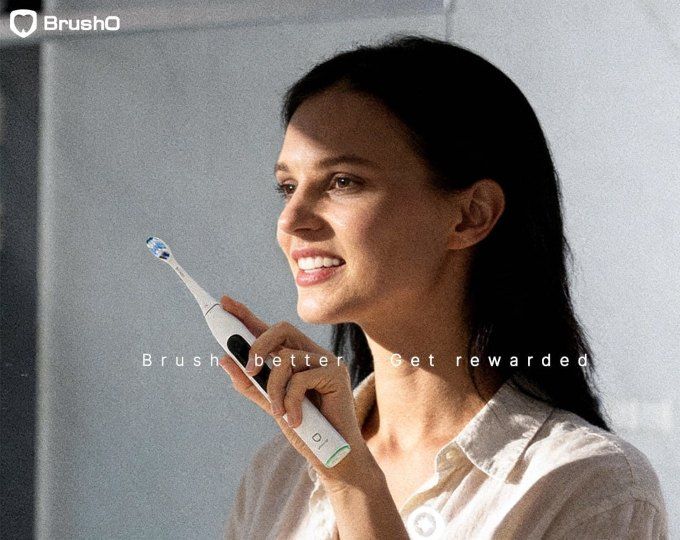
Breathing is automatic, but how you breathe matters. The mouth and nose play very different roles in protecting oral health. Nasal breathing filters air, regulates moisture, and supports saliva flow. Mouth breathing, on the other hand, bypasses these natural defenses and exposes teeth and gums to dryness and bacteria. Over time, improper breathing techniques can silently damage oral health—even in people who brush regularly.
• Neutralizing acids
• Washing away bacteria
• Protecting enamel
Mouth breathing significantly reduces saliva production, leading to dry mouth, which increases the risk of cavities, plaque buildup, and gum inflammation.
Without enough saliva, bacteria multiply rapidly. These bacteria produce sulfur compounds that cause chronic bad breath, especially noticeable in the morning or after long periods of mouth breathing.
Dry oral tissues are more vulnerable to irritation and infection. Mouth breathers often experience:
• Red or swollen gums
• Bleeding during brushing
• Gum recession over time
These symptoms are early warning signs of gingivitis and periodontal disease.
Saliva helps maintain a balanced oral pH. When saliva levels drop, acids remain on tooth surfaces longer, increasing enamel erosion and cavity formation—even if brushing habits seem adequate.
Healthy nasal breathing supports oral health by:
• Maintaining moisture levels
• Supporting beneficial oral bacteria
• Reducing acid exposure
• Improving oxygen delivery to tissues
People who breathe through their nose consistently tend to have fewer issues with dry mouth, gum inflammation, and bad breath.
Many people mouth-breathe while sleeping without realizing it. Signs include:
• Waking up with a dry mouth
• Morning bad breath
• Sore throat
• Increased plaque buildup
Nighttime mouth breathing is especially damaging because saliva production naturally decreases during sleep.
While improving breathing habits is important, smart oral care tools can help minimize damage caused by mouth breathing.
A smart toothbrush like BrushO helps by:
• Ensuring full-mouth coverage, even in dry-prone areas
• Monitoring brushing pressure to protect weakened enamel
• Encouraging consistent, effective brushing habits
• Providing feedback that helps reduce gum inflammation
When breathing habits aren’t ideal, precision brushing becomes even more important.
To protect your oral health if you tend to mouth-breathe:
• Stay hydrated throughout the day
• Clean your tongue daily
• Avoid alcohol-based mouthwashes
• Maintain gentle, thorough brushing routines
• Monitor brushing quality, not just brushing time
Over time, these changes help restore balance to the oral environment.
Breathing technique plays a much larger role in oral health than most people realize. Chronic mouth breathing can dry out the mouth, disrupt the oral microbiome, weaken enamel, and increase the risk of gum disease and bad breath. By understanding the connection between breathing and oral health—and supporting it with intelligent oral care—users can prevent long-term damage and maintain a healthier mouth.
BrushO is an AI-powered smart toothbrush designed to protect and improve oral health through precision guidance. By monitoring brushing pressure, coverage, timing, and technique, BrushO helps users maintain healthier teeth and gums—even when lifestyle factors like mouth breathing increase oral health risks. With smart feedback, habit tracking, and personalized brushing insights, BrushO turns daily brushing into proactive oral care.
Jul 30
Jul 30
Jul 29
Jul 22
Jul 19
Jul 17

Hyperdontia is the presence of one or more teeth in excess of the normal dental formula, and the resulting teeth are described as supernumerary. The condition is common enough to appear in routine practice but variable enough in presentation that the decision to intervene is rarely straightforwar...

Few patients complete orthodontic treatment without asking whether their teeth will move back. The honest answer is that they will, to some degree, in the majority of cases. Relapse is not a failure of treatment but a predictable biological response, and understanding why it happens is the basis ...

The mandible is the largest and most frequently fractured bone of the facial skeleton, and its management sits at the interface between trauma surgery and restorative dentistry. Treatment has shifted over four decades from prolonged maxillomandibular fixation towards rigid internal fixation with ...

Chronic liver disease affects hundreds of millions of people worldwide, and its prevalence continues to rise with the epidemic of metabolic liver disease. The liver is central to haemostasis, drug metabolism and immune competence, and its failure therefore alters the risk profile of almost every ...

Excessive gingival display, commonly described as a gummy smile, is one of the most frequent aesthetic concerns presented to dental practitioners. The condition is not a single entity but a clinical presentation that can arise from skeletal, gingival, muscular or dental factors, and the treatment...

Drug-induced gingival overgrowth is a well-recognised adverse effect of several widely prescribed medications, and it remains one of the most common drug-related findings in periodontal practice. The condition produces firm, fibrous enlargement of the gingiva that can interfere with speech, masti...

Denture stomatitis is an inflammatory condition of the denture-bearing mucosa that affects a large proportion of removable prosthesis wearers, yet it is frequently dismissed as a cosmetic annoyance. The condition is driven by a Candida biofilm on the fitting surface of the prosthesis, and it is m...

Chronic kidney disease affects an estimated 850 million people worldwide, and the number of patients surviving on dialysis or with a renal transplant continues to rise. These patients carry an oral disease burden that is substantially higher than that of the general population, and their medical ...

Angular cheilitis is an inflammatory lesion of the labial commissures that presents with erythema, fissuring and crusting at the corners of the mouth. It is one of the most common conditions encountered in general dental practice, yet it is frequently treated as a simple fungal infection and allo...

Adverse reactions to dental materials are uncommon but they are not rare, and they are frequently misdiagnosed because the oral mucosa responds to allergens in a limited number of ways. A burning sensation, a persistent ulcer or an unexplained area of erythema may all represent a hypersensitivity...

El cepillo eléctrico BrushO con IA ofrece guía de cepillado en tiempo real, feedback de presión, seguimiento de cobertura e informes de progreso en la app para una rutina diaria más limpia.
El cepillo eléctrico BrushO con IA ofrece guía de cepillado en tiempo real, feedback de presión, seguimiento de cobertura e informes de progreso en la app para una rutina diaria más limpia.


Address: RM 1427, 14/F RADIO CITY 505, HENNESSY RD CAUSEWAY BAY, HONG KONG
Code: 000000
Phone: +852-53758652
Email: customerservice@brusho.com