
Jul 30
Jul 30
Jul 29
Jul 22
Jul 19
Jul 17
Headaches are often blamed on stress, dehydration, or lack of sleep—but few people realize that dental issues can be a hidden trigger. Problems such as jaw tension, uneven biting, gum inflammation, or even improper brushing habits can place constant strain on facial muscles and nerves. Over time, this strain may radiate upward, resulting in persistent headaches that seem unrelated to oral health. Understanding the connection between your mouth and your head is key to preventing recurring discomfort and improving overall well‑being.
Your teeth, jaw, facial muscles, and nerves are deeply interconnected. When something goes wrong in the mouth, the effects often travel beyond it. The trigeminal nerve—one of the largest nerves in the face—plays a central role in both dental sensation and headache pain. Irritation or tension in this nerve pathway can easily manifest as headaches.
This is why headaches linked to dental issues often feel dull, pressure‑like, or concentrated around the temples, forehead, or behind the eyes.
Grinding or clenching your teeth—especially during sleep—puts excessive strain on the jaw muscles and temporomandibular joint (TMJ). This tension can radiate upward, leading to morning headaches or tightness around the temples.
Signs you may be grinding your teeth:
• Waking up with jaw soreness
• Tooth sensitivity without cavities
• Flattened or worn tooth surfaces
The temporomandibular joint connects your jaw to your skull. When this joint is misaligned or overworked, it can trigger headaches that mimic migraines or tension headaches.
TMJ‑related headaches are often accompanied by:
• Clicking or popping sounds when opening the mouth
• Limited jaw movement
• Pain near the ears or temples
Chronic gum inflammation doesn’t just affect your mouth. Inflammatory signals can spread through the body, contributing to facial discomfort and pressure‑type headaches. Advanced gum disease may also expose nerves, increasing sensitivity and pain perception.
An infected tooth can cause localized pain that spreads upward into the head. These headaches often worsen when chewing, bending over, or lying down and should never be ignored.
Brushing too aggressively or missing certain areas can lead to gum recession, enamel damage, and chronic sensitivity. Over time, this constant irritation can contribute to facial muscle tension and low‑grade headaches.
Dental‑related headaches don’t always come with obvious tooth pain. Many people treat them with painkillers without addressing the root cause. As a result, the headache keeps returning until the underlying oral issue is corrected.
This is why dentists often discover the source of chronic headaches during routine exams—sometimes long after symptoms begin.
Improving daily oral habits can significantly reduce the risk of dental‑related headaches:
• Use gentle, controlled brushing pressure to avoid jaw strain
• Maintain even coverage, especially near the gumline and molars
• Address grinding habits early
• Monitor gum health consistently
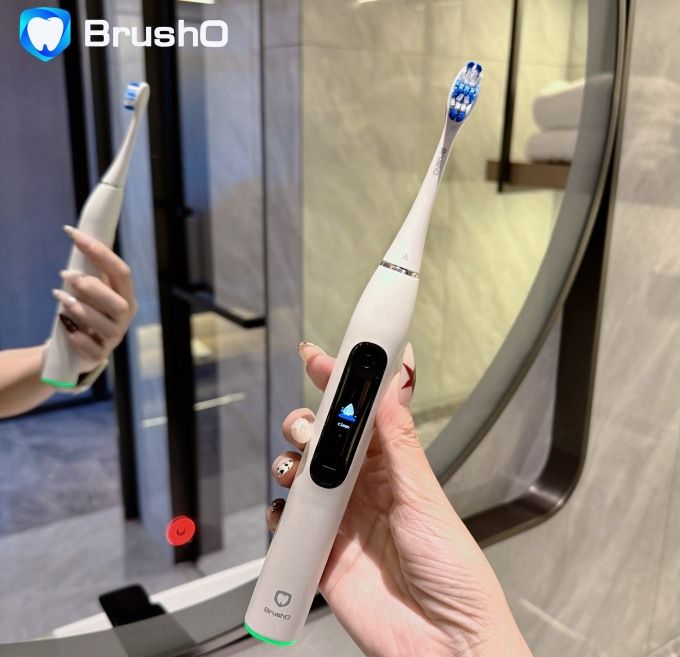
Smart oral‑care tools, such as BrushO, help by tracking brushing pressure, movement, and consistency—reducing unnecessary strain on jaw muscles and preventing inflammation before it escalates.
You should consult a dental professional if:
• Headaches occur regularly without a clear cause
• Pain worsens when chewing or clenching
• You experience jaw stiffness or clicking
• Headaches persist despite lifestyle changes
Early intervention can prevent long‑term discomfort and more serious dental complications.
Yes—dental issues can absolutely cause headaches. From jaw tension and teeth grinding to gum inflammation and poor brushing technique, oral health plays a far greater role in head pain than most people realize. By improving daily brushing habits and paying attention to early warning signs, many recurring headaches can be prevented before they become chronic.
BrushO is an AI‑powered smart toothbrush designed to protect both oral health and daily comfort. By monitoring brushing pressure, coverage, and technique in real time, BrushO helps users reduce jaw strain, prevent gum inflammation, and build healthier habits—supporting not just a cleaner mouth, but a more comfortable, headache‑free lifestyle.
Jul 30
Jul 30
Jul 29
Jul 22
Jul 19
Jul 17

If you are thirsty after brushing, choose plain water. Plan your usual bedtime drink before brushing and skip the immediate rinse at the sink.

Waterpik recommends warm water for its flossers. Check your own model and use comfortably lukewarm water if cold water feels sharp.

Let an intact handle return to room temperature before you consider charging it. Check your manual and watch for signs of battery or housing damage.

Lift away the paste, check the care label, and use cool water on washable fabric. Here is a quick approach for a fresh spot.

Turn the brush off, then check the fit, the connection, and the condition of the head. A second compatible head can help you narrow it down.

Look for a clean, rigid container with a secure lid and keep it with your belongings. A napkin on a lunch tray is easy to clear away.

Check the care directions for your clear retainer. Clinics give different instructions, and the right cleaning method depends on the appliance you received.

Try a gentle rinse first. If the hull sits between teeth and floss moves freely, make a careful pass and stop if it still feels stuck.

A tight gap or rough edge can catch floss. Notice where it snags, keep the movement gentle, and find out when to ask your dentist to check.

Your first sip can taste sharp after brushing. Here is what may be changing and how to make breakfast taste like breakfast again.

El cepillo eléctrico BrushO con IA ofrece guía de cepillado en tiempo real, feedback de presión, seguimiento de cobertura e informes de progreso en la app para una rutina diaria más limpia.
El cepillo eléctrico BrushO con IA ofrece guía de cepillado en tiempo real, feedback de presión, seguimiento de cobertura e informes de progreso en la app para una rutina diaria más limpia.


Address: RM 1427, 14/F RADIO CITY 505, HENNESSY RD CAUSEWAY BAY, HONG KONG
Code: 000000
Phone: +852-53758652
Email: customerservice@brusho.com