
Jul 30
Jul 30
Jul 29
Jul 22
Jul 19
Jul 17
Gum health is more than a dental concern — it serves as a visible indicator of immune system function. Because the gums act as a frontline barrier between the external environment and the bloodstream, changes in immune response often appear here first. Persistent inflammation, slow healing, or bleeding gums may reflect systemic immune challenges rather than isolated oral issues. Understanding the biological connection between immune defense and periodontal tissue allows individuals to recognize early warning signs, improve preventive care, and adopt smarter hygiene practices that support both oral and whole-body health.
Gums are composed of highly vascularized soft tissue that constantly interacts with bacteria, food particles, and environmental pathogens. This makes them one of the body’s first immune defense zones.
Key roles include:
• Blocking bacterial entry into circulation
• Activating localized immune responses
• Signaling systemic inflammation
• Supporting microbial balance
Because of this constant exposure, immune irregularities often appear as gum changes before other symptoms develop.
When harmful bacteria accumulate, immune cells respond by:
• Releasing cytokines
• Increasing blood flow
• Triggering swelling and redness
This process helps neutralize pathogens but can damage tissue if prolonged.
Healthy immune response characteristics:
• Mild temporary inflammation
• Rapid healing
• Minimal bleeding
Imbalanced response characteristics:
• Chronic swelling
• Persistent bleeding
• Tissue breakdown
May indicate:
• Overactive inflammatory response
• Vitamin deficiency
• Reduced immune regulation
Often associated with:
• Immune suppression
• Chronic stress
• Metabolic conditions
Linked to systemic inflammatory load and immune imbalance, which research increasingly connects with:
• Cardiovascular health
• Metabolic disorders
• Autoimmune interactions
These signs warrant attention beyond cosmetic dental concerns.
Scientific research continues to demonstrate bidirectional relationships between gum health and systemic immunity.
Examples include:
• Periodontal inflammation elevating systemic inflammatory markers
• Oral bacteria entering circulation
• Immune dysregulation worsening gum breakdown
This reinforces the role of oral care in preventive health management.
Consistent plaque removal reduces immune burden and inflammatory activation.
Essential nutrients include:
• Vitamin C
• Vitamin D
• Zinc
• Omega-3 fatty acids
These support tissue repair and immune signaling.
Saliva contains immune components that regulate bacterial populations.
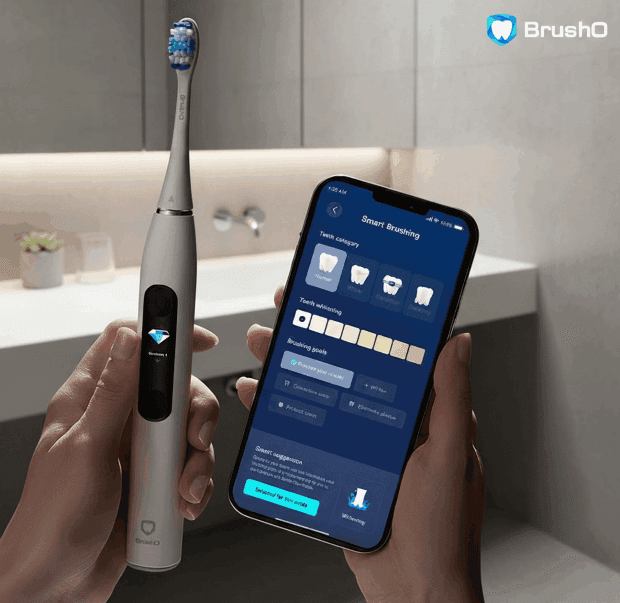
AI-guided brushing technologies like BrushO help reduce inflammatory triggers through improved hygiene precision.
Prevents tissue trauma that can worsen immune reactions.
Ensures complete bacterial removal along the gumlines.
Identify patterns linked to recurring inflammation.
Support gentle care for sensitive or vulnerable tissue.
These tools enable proactive gum protection aligned with immune health maintenance.
Persistent symptoms should not be ignored, especially if lasting beyond two weeks.
Consult dental professionals if experiencing:
• Ongoing bleeding
• Receding gums
• Chronic soreness
• Visible tissue changes
Early intervention prevents progression to periodontal disease.
Gums serve as an accessible window into immune system activity. Changes in color, sensitivity, or inflammation often reflect broader physiological responses rather than isolated dental issues. Recognizing these signals allows earlier lifestyle adjustments and professional care. Combining disciplined oral hygiene with intelligent monitoring tools such as BrushO supports both gum stability and systemic resilience. Protecting gum health ultimately contributes to maintaining immune balance and long-term wellness.
Feb 6
Feb 5
Jul 30
Jul 30
Jul 29
Jul 22
Jul 19
Jul 17

If you are thirsty after brushing, choose plain water. Plan your usual bedtime drink before brushing and skip the immediate rinse at the sink.

Waterpik recommends warm water for its flossers. Check your own model and use comfortably lukewarm water if cold water feels sharp.

Let an intact handle return to room temperature before you consider charging it. Check your manual and watch for signs of battery or housing damage.

Lift away the paste, check the care label, and use cool water on washable fabric. Here is a quick approach for a fresh spot.

Turn the brush off, then check the fit, the connection, and the condition of the head. A second compatible head can help you narrow it down.

Look for a clean, rigid container with a secure lid and keep it with your belongings. A napkin on a lunch tray is easy to clear away.

Check the care directions for your clear retainer. Clinics give different instructions, and the right cleaning method depends on the appliance you received.

Try a gentle rinse first. If the hull sits between teeth and floss moves freely, make a careful pass and stop if it still feels stuck.

A tight gap or rough edge can catch floss. Notice where it snags, keep the movement gentle, and find out when to ask your dentist to check.

Your first sip can taste sharp after brushing. Here is what may be changing and how to make breakfast taste like breakfast again.

BrushO AI Electric Toothbrush offers real-time brushing guidance, pressure feedback, coverage tracking, and app-based progress reports for a cleaner daily routine.
BrushO AI Electric Toothbrush offers real-time brushing guidance, pressure feedback, coverage tracking, and app-based progress reports for a cleaner daily routine.


Address: RM 1427, 14/F RADIO CITY 505, HENNESSY RD CAUSEWAY BAY, HONG KONG
Code: 000000
Phone: +852-53758652
Email: customerservice@brusho.com