
Jul 30
Jul 30
Jul 29
Jul 22
Jul 19
Jul 17
Artificial Intelligence is no longer just a futuristic concept — it’s integrated into every part of our daily life. From smart toothbrushes to personalized fitness trackers, AI technology is helping people live smarter, healthier, and more efficiently. This article explores how AI enhances your health, oral care, and daily routine — and how tools like BrushO smart toothbrush are leading the change.
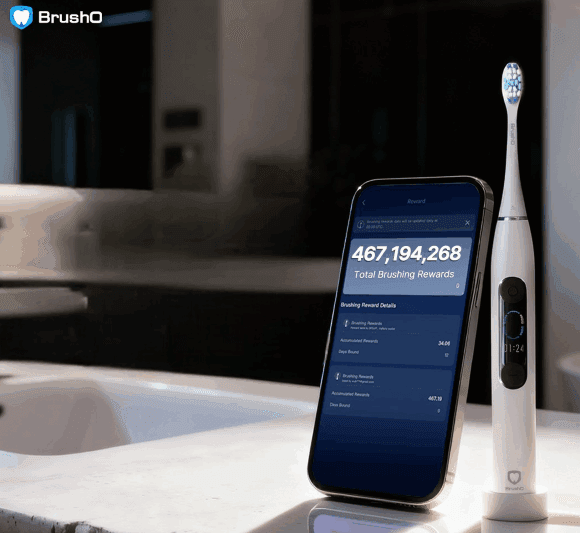
AI is present in:
• Smartphones and smart speakers (like Siri, Alexa, Google Assistant)
• Wearable tech (smartwatches, fitness trackers)
• Smart home devices (thermostats, lighting, fridges)
They help:
• Optimize schedules
• Personalize content
• Automate energy-saving behaviors
Real-Life Benefits
• Smart scheduling: AI tools suggest best times for meetings, workouts, brushing, or relaxation.
• Predictive recommendations: Shopping, wellness, and streaming apps adjust based on your behavior.
• Voice-controlled convenience: AI assistants simplify home management and accessibility.
💡 Key Takeaway: AI enhances convenience by anticipating needs and automating decisions — saving time, energy, and stress.
Personalized Healthcare in Your Pocket
• Wearable devices track:
• Heart rate
• Sleep quality
• Activity level
• AI fitness and nutrition apps:
• Recommend personalized diets
• Track hydration, food intake
• Motivate daily goals
• Medical AI tools:
• Assist in diagnostics through imaging
• Detect irregularities early
• Monitor chronic conditions remotely
💡 Key Takeaway: AI supports preventive care, helping you stay ahead of potential health issues through real-time data and insights.
Oral care is often overlooked, yet it has major implications for your overall health. This is where AI-powered toothbrushes like BrushO step in.
• Real-Time Feedback
• Detects pressure, angle, missed zones
• Alerts users when brushing too hard or skipping areas
• Smart Coverage Detection
• Monitors 6 zones and 16 surfaces for full-mouth cleaning
• Generates brushing heatmaps and scores after each session
• Custom Brushing Modes
• Sensitivity
• Whitening
• Gum care
• Deep clean
• Gamified Experience for All Ages
• Makes brushing fun for kids and adults
• Encourages habit-building with rewards
💡 Key Takeaway: BrushO doesn’t just brush your teeth — it coaches you into building lifelong oral health routines.
AI tools ensure routines stay on track with timely reminders and behavior tracking.
Data-based analysis helps you understand what’s working and what needs to change — without human error or bias.
AI adapts to your:
• Brushing habits
• Workout intensity
• Sleep cycles
• Mood changes
Gamified health routines and visual feedback encourage long-term engagement.
AI can:
• Detect early signs of dental problems
• Spot health risks in fitness data
• Help avoid major medical costs
• Mental health apps powered by AI monitor emotional states and suggest mindfulness routines.
• AI learning platforms tailor lessons for students, professionals, and hobbyists.
• Smart task managers organize calendars, shopping lists, and reminders.
💡 Key Takeaway: AI can act as your health coach, productivity partner, and learning assistant, all rolled into one.
AI is no longer optional—it’s essential for a smarter, healthier life. With tools like BrushO, you get more than just a toothbrush — you gain a coach that guides you through optimal oral care habits and provides data-driven support. As AI continues to evolve, its ability to improve your health, routine, and self-care will become even more powerful.
BrushO is an AI-powered smart toothbrush designed to build better habits and healthier smiles. It features:
• Real-time brushing feedback
• Smart zone tracking (6 zones, 16 surfaces)
• Custom cleaning modes (sensitive, gum care, whitening)
• Gamified family brushing experience
• Heatmaps and scoring system through the BrushO app
• Reward system offering lifetime free brush heads
Ready to make your brushing routine smarter?
👉 Visit www.brusho.com to learn more.
Dec 10
Dec 9
Jul 30
Jul 30
Jul 29
Jul 22
Jul 19
Jul 17

The uncontrolled hypertension is the condition that the dental practice meets in the patient who presents with the elevated pressure that the guideline does not permit for the elective treatment, and the management of this patient requires the deferral of the dental procedure and the referral to ...

The closure of the extraction space in the orthodontic treatment is the phase that demands the careful selection of the mechanics and the monitoring of the force that the appliance delivers. The sliding mechanics that rely on the continuous archwire and the power chain that connects the brackets ...

The transverse discrepancy of the maxilla is the problem that the crowding and the posterior crossbite often hide, and the maxillary expansion is the treatment that addresses the width of the arch rather than the position of the individual tooth. The clinician who diagnoses the constriction early...

The local anaesthesia is the daily procedure that the modern dentistry treats as the routine, and the complications that follow it range from the transient and the trivial to the permanent and the serious. The clinician who injects by the habit without the anatomy in the mind is the clinician who...

The hypertension is the condition that the dental practice meets in the every day, and the patient who carries the elevated pressure without the symptoms is the patient who presents the risk that the chair-side measurement reveals. The dental team occupies the position that no other profession ho...

The glass-ceramic crown has become the default restoration for the anterior and the many posterior teeth, and the material selection within the family is the decision that determines the strength, the aesthetics, and the longevity of the result. The lithium disilicate, the leucite, and the zircon...

The dental phobia is the extreme form of the dental fear that prevents the patient from attending the treatment that the oral health requires, and the management of the phobia demands the skill that extends beyond the routine behaviour guidance. The systematic desensitization, the exposure therap...

The dental fear of the child is the condition that shapes the attitude for the lifetime, and the clinician who manages the first visits with the skill builds the patient who attends the recall without the dread. The fear that the child develops follows the many sources, and the practice that reco...

The patient with controlled hypertension is the patient who requires the dental care that the oral health demands and the treatment that the blood pressure permits, and the clinician who manages the controlled case safely follows the guideline that the evidence supports. The controlled hypertensi...

The ceramic veneer is the restoration that the aesthetic dentistry depends on, and the bond that retains the veneer on the enamel is the critical link that determines whether the restoration survives the function or fractures and debonds. The clinical technique from the preparation to the cementa...

BrushO AI Electric Toothbrush offers real-time brushing guidance, pressure feedback, coverage tracking, and app-based progress reports for a cleaner daily routine.
BrushO AI Electric Toothbrush offers real-time brushing guidance, pressure feedback, coverage tracking, and app-based progress reports for a cleaner daily routine.


Address: RM 1427, 14/F RADIO CITY 505, HENNESSY RD CAUSEWAY BAY, HONG KONG
Code: 000000
Phone: +852-53758652
Email: customerservice@brusho.com