
Jul 30
Jul 30
Jul 29
Jul 22
Jul 19
Jul 17
Brushing your teeth isn’t enough if you’re ignoring your tongue. The tongue is a major hotspot for bacteria, food particles, and dead cells — all of which can lead to bad breath and oral infections if left uncleaned. In this article, we’ll explore why daily tongue cleaning should be part of your oral hygiene routine, what happens if you skip it, and the best methods to do it right. Whether you’re using a toothbrush or a dedicated tongue scraper, we’ll help you keep your mouth healthier from front to back.
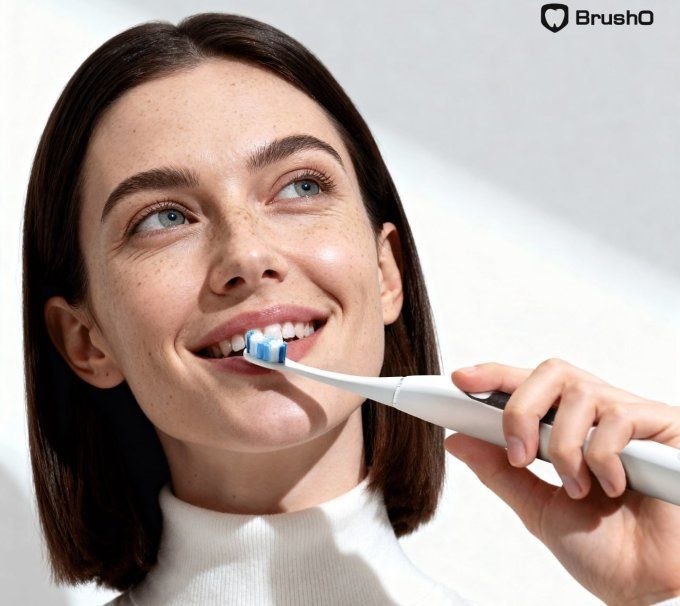
When people think of oral hygiene, they often focus solely on brushing and flossing teeth. But your tongue plays a key role in your mouth’s health. Its surface, especially the back, can harbor bacteria, food debris, dead skin cells, and sulfur compounds — all of which contribute to bad breath (halitosis) and oral health problems.
• The dorsum of the tongue (the top surface) is a perfect breeding ground for bacteria.
• These bacteria can interact with proteins and food residue to release volatile sulfur compounds (VSCs) — the main cause of persistent bad breath.
• If left uncleaned, the tongue becomes a reservoir of pathogens, which can spread to teeth and gums.
If you’re not cleaning your tongue, you might experience:
Even after brushing, you may still notice odor — it’s likely coming from the back of your tongue where bacteria thrive.
A coated tongue can dull your taste buds and affect how you perceive food flavors.
Bacteria from your tongue can reattach to your clean teeth, reducing the effectiveness of your brushing.
A bacteria-laden tongue can contribute to gum disease, cavities, and even fungal infections like thrush.
You don’t need a complicated routine — but consistency and method matter.
• Best for removing the white coating and bacteria.
• Hold the scraper at the back of your tongue, apply light pressure, and pull forward several times.
• Rinse the scraper after each pass.
• After brushing your teeth, gently brush your tongue from back to front.
• Rinse thoroughly.
• Use soft bristles to avoid irritation.
💡 Tip: Make tongue cleaning the last step in your brushing routine — and do it once or twice a day.
With BrushO Smart Toothbrush, you already get guidance on brushing technique, coverage, and pressure — but don’t forget to extend your care beyond just teeth.
🔹 BrushO encourages holistic oral care habits.
🔹 Pair your brushing session with a tongue cleaning habit for maximum freshness and protection.
🔹 Use the smart reminders or build it into your Brush & Earn reward habit system!
Daily tongue cleaning may seem like a small step, but it has big benefits for your oral and overall health. It’s one of the easiest ways to reduce bad breath, support gum health, and enhance your brushing results. If you haven’t added it to your routine yet, today is the day.
Jul 30
Jul 30
Jul 29
Jul 22
Jul 19
Jul 17

PPM describes concentration, not the amount to put on the brush. Learn how to read fluoride information while keeping regional guidance and individual advice in view.

That forgotten tube deserves a label check. Learn what toothpaste shelf-life information refers to, why storage matters, and how to avoid guessing from appearance.

Clear gel or opaque paste? Texture is only one feature. Learn which label details matter when comparing toothpastes for your brushing routine.

Minty toothpaste can create a cooling sensation without being chilled. Explore what menthol does and why a fresh feeling is different from complete cleaning.

The sound of a powered brush comes with its moving mechanism. Learn how normal operating noise differs from alerts or an unexpected change that needs checking.

Toothpaste on the mirror? Check when you switch the brush on and off, how you position it, and how to pause without rushing your routine.

A whitening brushing program and a bleaching treatment are different things. Learn how to interpret mode names, surface-stain claims, and realistic expectations.

A tiny cluster of bristles serves a different purpose from a full-size head. Learn where a single-tuft brush may fit into an individually recommended cleaning routine.

Angled tufts, different bristle heights, and the angle of your hand are separate design questions. Learn how to read a toothbrush-head description clearly.

A larger head is not an automatic shortcut to cleaner teeth. Learn how head size affects access, positioning, and the fit of your daily brushing routine.

Die BrushO KI-Elektrozahnbürste bietet Echtzeit-Anleitung, Druckfeedback, Abdeckungsverfolgung und Fortschrittsberichte in der App für eine sauberere tägliche Routine.
Die BrushO KI-Elektrozahnbürste bietet Echtzeit-Anleitung, Druckfeedback, Abdeckungsverfolgung und Fortschrittsberichte in der App für eine sauberere tägliche Routine.


Address: RM 1427, 14/F RADIO CITY 505, HENNESSY RD CAUSEWAY BAY, HONG KONG
Code: 000000
Phone: +852-53758652
Email: customerservice@brusho.com