
Jul 30
Jul 30
Jul 29
Jul 22
Jul 19
Jul 17
If you’ve ever woken up with a dry, rough tongue, you’re not alone. Tongue dryness is a common issue that can result from dehydration, mouth breathing, poor saliva production, or even certain medications. While often ignored, a dry tongue can be uncomfortable and even harmful to your oral health if left unaddressed. In this blog post, we explore the causes behind tongue dryness, how to treat it, and how intelligent brushing with BrushO can help support a healthier, well-hydrated oral environment.
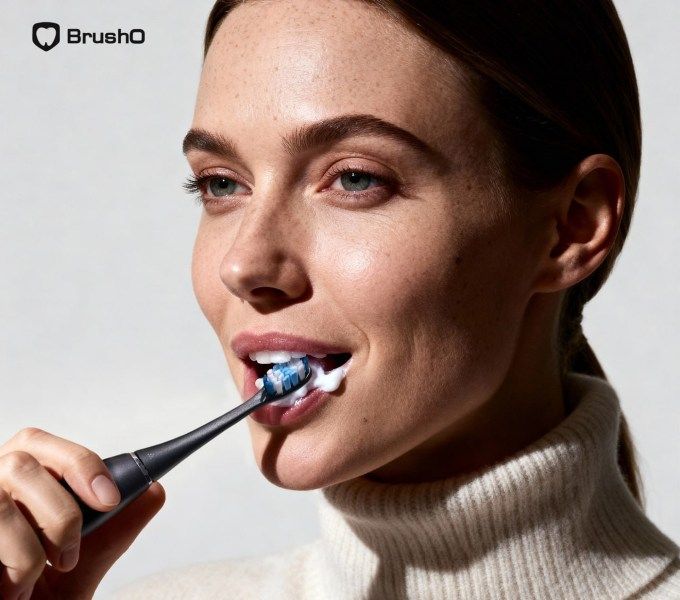
Tongue dryness occurs when there isn’t enough moisture in your mouth—specifically, a lack of saliva covering the surface of your tongue. This can lead to sensations like:
• Rough or sticky tongue texture
• Cracked or burning tongue
• Bad breath or difficulty swallowing
• Increased risk of bacterial buildup
Saliva plays a crucial role in keeping your tongue lubricated, balanced in pH, and free from harmful microbes. When that natural protection drops, your tongue suffers first.
Let’s break down the most common reasons your tongue feels dry:
Not drinking enough water leads to reduced saliva production. Even mild dehydration can affect your tongue’s moisture level.
Breathing through your mouth during sleep or due to nasal congestion causes moisture to evaporate, drying out the tongue.
Over 400 types of medications (e.g., antihistamines, antidepressants, blood pressure meds) list dry mouth/tongue as a side effect.
As we age, natural saliva production may decline, making dryness more common among older adults.
Conditions such as diabetes, Sjögren’s syndrome, or radiation therapy can impair saliva glands, causing persistent dryness.
While saliva is your body’s first defense, your toothbrush can help reduce the strain on your tongue and support your oral health:
Overbrushing or harsh scrubbing can worsen dry tongue symptoms. BrushO’s pressure sensors ensure you never brush too hard.
The tongue often gets ignored during brushing. With BrushO’s 16-zone smart mapping, users are reminded to clean all essential areas—tongue included.
If dryness stems from poor hygiene habits, BrushO’s app insights can help you understand and correct your brushing routine over time.
Here are practical tips you can start today:
1. Drink Water Regularly – Aim for 8 cups a day to maintain proper hydration.
2. Avoid Alcohol-Based Mouthwashes – These can further dry out your mouth.
3. Use a Humidifier – Especially helpful at night if your air is dry.
4. Limit Caffeine and Tobacco – Both can reduce saliva flow.
5. Chew Sugar-Free Gum – It helps stimulate natural saliva production.
6. Clean Your Tongue – Use a tongue scraper or BrushO to gently remove bacteria and buildup.
Did you know a dry tongue may reduce your sense of taste? That’s because taste buds need moisture to function properly. So staying hydrated and brushing smart helps more than just your oral health — it enhances your eating experience too.
A dry tongue isn’t just a minor nuisance—it can signal dehydration, poor brushing habits, or underlying health conditions. Thankfully, combining good hydration with smart brushing using BrushO ensures your tongue—and the rest of your mouth—stays protected and healthy every day.
Jul 30
Jul 30
Jul 29
Jul 22
Jul 19
Jul 17

PPM describes concentration, not the amount to put on the brush. Learn how to read fluoride information while keeping regional guidance and individual advice in view.

That forgotten tube deserves a label check. Learn what toothpaste shelf-life information refers to, why storage matters, and how to avoid guessing from appearance.

Clear gel or opaque paste? Texture is only one feature. Learn which label details matter when comparing toothpastes for your brushing routine.

Minty toothpaste can create a cooling sensation without being chilled. Explore what menthol does and why a fresh feeling is different from complete cleaning.

The sound of a powered brush comes with its moving mechanism. Learn how normal operating noise differs from alerts or an unexpected change that needs checking.

Toothpaste on the mirror? Check when you switch the brush on and off, how you position it, and how to pause without rushing your routine.

A whitening brushing program and a bleaching treatment are different things. Learn how to interpret mode names, surface-stain claims, and realistic expectations.

A tiny cluster of bristles serves a different purpose from a full-size head. Learn where a single-tuft brush may fit into an individually recommended cleaning routine.

Angled tufts, different bristle heights, and the angle of your hand are separate design questions. Learn how to read a toothbrush-head description clearly.

A larger head is not an automatic shortcut to cleaner teeth. Learn how head size affects access, positioning, and the fit of your daily brushing routine.

Die BrushO KI-Elektrozahnbürste bietet Echtzeit-Anleitung, Druckfeedback, Abdeckungsverfolgung und Fortschrittsberichte in der App für eine sauberere tägliche Routine.
Die BrushO KI-Elektrozahnbürste bietet Echtzeit-Anleitung, Druckfeedback, Abdeckungsverfolgung und Fortschrittsberichte in der App für eine sauberere tägliche Routine.


Address: RM 1427, 14/F RADIO CITY 505, HENNESSY RD CAUSEWAY BAY, HONG KONG
Code: 000000
Phone: +852-53758652
Email: customerservice@brusho.com