
Jul 30
Jul 30
Jul 29
Jul 22
Jul 19
Jul 17
Oral health reflects lifestyle behavior more than most people realize. Small daily habits — often perceived as harmless — can gradually compromise teeth, gums, immune function, and systemic health. Scientific evidence increasingly links oral inflammation to cardiovascular stress, metabolic imbalance, and broader inflammatory responses. This article explores three of the most common overlooked behaviors that damage oral and overall health: ineffective brushing patterns, frequent sugar exposure, and ignoring early biological warning signs. Understanding the mechanisms behind these habits allows individuals to make small but meaningful adjustments that protect long-term wellness.
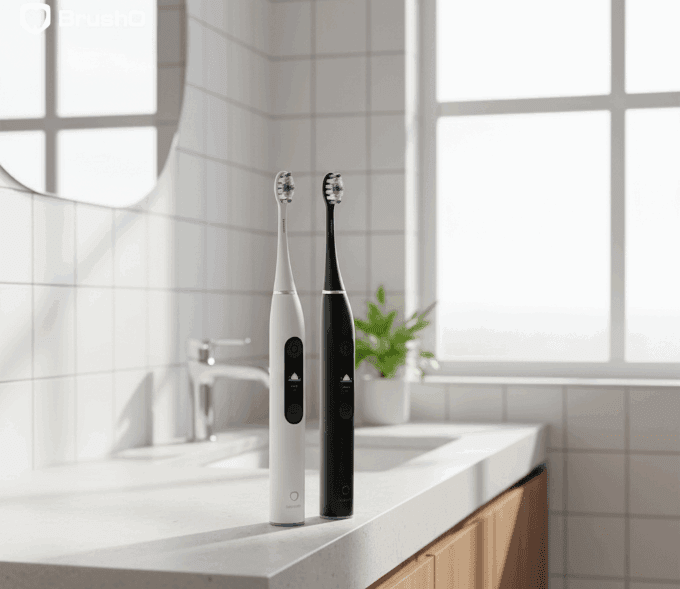
Oral decline rarely results from one dramatic event. Instead, it emerges from repeated behavioral patterns. Because the mouth hosts a dynamic microbial ecosystem, daily routines influence bacterial balance, tissue inflammation, and enamel resilience.
Habits that seem minor can produce cumulative biological stress that affects:
• Oral microbiome stability
• Immune system load
• Inflammatory signaling throughout the body
Prevention therefore depends on behavioral awareness, not occasional corrective effort.
Brushing frequency alone does not guarantee oral protection. Coverage quality, pressure control, and technique accuracy are equally critical. Many individuals rush brushing sessions, repeatedly miss specific zones, or scrub aggressively.
Common outcomes include:
• Plaque retention along the gumline
• Micro-abrasion of enamel from excessive pressure
• Gradual gum irritation or recession
• Subsurface decay development
Beyond oral impact, chronic gum inflammation contributes to systemic inflammatory burden, which research has associated with cardiovascular and immune stress pathways.
Protective approach:
• Brush deliberately rather than quickly
• Ensure full surface coverage
• Maintain gentle, consistent pressure
Consistency and precision outperform speed.
Sugar’s effect on teeth is governed primarily by exposure frequency rather than quantity. Each intake triggers bacterial fermentation that produces acids capable of demineralizing enamel. Repeated snacking or beverage sipping extends acid exposure cycles, preventing natural remineralization.
Consequences include:
• Progressive enamel softening
• Increased cavity susceptibility
• Gum irritation
• Energy instability and metabolic strain
This behavioral pattern also aligns with broader metabolic health risks, including insulin fluctuation and systemic inflammation.
Risk-reduction strategies:
• Limit continuous grazing behavior
• Consolidate sugar intake within meals
• Rinse with water after consumption
Recovery time between exposures is biologically essential.
Oral tissues signal stress long before pain occurs.
Common early indicators include:
• Bleeding during brushing
• Persistent halitosis
• Sensitivity to temperature or sweets
• Textural changes on enamel
Habitual dismissal of these signals allows minor inflammation or demineralization to progress into structural damage or periodontal disease.
Advanced consequences may involve:
• Tissue attachment loss
• Bone support reduction
• Tooth instability
• Greater systemic inflammatory load
Recognizing early signs allows intervention during reversible stages.
These behaviors remain widespread because their impact develops slowly and invisibly. Time pressure, dietary convenience, and cognitive overload encourage short-term efficiency over long-term maintenance. Without feedback mechanisms, individuals assume adequacy based on perception rather than objective effectiveness. Awareness disrupts this cycle.
Protective improvements do not require radical change. Evidence-based adjustments include:
• Prioritizing brushing thoroughness
• Reducing sugar frequency rather than eliminating enjoyment
• Monitoring tissue responses proactively
Long-term oral resilience results from incremental habit optimization.
Technology-assisted brushing platforms such as BrushO enhance behavioral awareness by reinforcing coverage consistency and brushing discipline. Guided routines and habit analytics help reduce skipped zones and encourage sustainable oral hygiene patterns aligned with preventive healthcare principles.
The health of teeth, gums, and systemic physiology is shaped by repeated daily behaviors rather than isolated events. Rushed brushing, frequent sugar exposure, and ignoring biological signals are among the most impactful yet underestimated habits affecting oral and overall wellness. Identifying and adjusting these patterns early protects not only dental structures but also long-term physiological stability.
Feb 9
Feb 23
Jul 30
Jul 30
Jul 29
Jul 22
Jul 19
Jul 17

Hyperdontia is the presence of one or more teeth in excess of the normal dental formula, and the resulting teeth are described as supernumerary. The condition is common enough to appear in routine practice but variable enough in presentation that the decision to intervene is rarely straightforwar...

Few patients complete orthodontic treatment without asking whether their teeth will move back. The honest answer is that they will, to some degree, in the majority of cases. Relapse is not a failure of treatment but a predictable biological response, and understanding why it happens is the basis ...

The mandible is the largest and most frequently fractured bone of the facial skeleton, and its management sits at the interface between trauma surgery and restorative dentistry. Treatment has shifted over four decades from prolonged maxillomandibular fixation towards rigid internal fixation with ...

Chronic liver disease affects hundreds of millions of people worldwide, and its prevalence continues to rise with the epidemic of metabolic liver disease. The liver is central to haemostasis, drug metabolism and immune competence, and its failure therefore alters the risk profile of almost every ...

Excessive gingival display, commonly described as a gummy smile, is one of the most frequent aesthetic concerns presented to dental practitioners. The condition is not a single entity but a clinical presentation that can arise from skeletal, gingival, muscular or dental factors, and the treatment...

Drug-induced gingival overgrowth is a well-recognised adverse effect of several widely prescribed medications, and it remains one of the most common drug-related findings in periodontal practice. The condition produces firm, fibrous enlargement of the gingiva that can interfere with speech, masti...

Denture stomatitis is an inflammatory condition of the denture-bearing mucosa that affects a large proportion of removable prosthesis wearers, yet it is frequently dismissed as a cosmetic annoyance. The condition is driven by a Candida biofilm on the fitting surface of the prosthesis, and it is m...

Chronic kidney disease affects an estimated 850 million people worldwide, and the number of patients surviving on dialysis or with a renal transplant continues to rise. These patients carry an oral disease burden that is substantially higher than that of the general population, and their medical ...

Angular cheilitis is an inflammatory lesion of the labial commissures that presents with erythema, fissuring and crusting at the corners of the mouth. It is one of the most common conditions encountered in general dental practice, yet it is frequently treated as a simple fungal infection and allo...

Adverse reactions to dental materials are uncommon but they are not rare, and they are frequently misdiagnosed because the oral mucosa responds to allergens in a limited number of ways. A burning sensation, a persistent ulcer or an unexplained area of erythema may all represent a hypersensitivity...

Die BrushO KI-Elektrozahnbürste bietet Echtzeit-Anleitung, Druckfeedback, Abdeckungsverfolgung und Fortschrittsberichte in der App für eine sauberere tägliche Routine.
Die BrushO KI-Elektrozahnbürste bietet Echtzeit-Anleitung, Druckfeedback, Abdeckungsverfolgung und Fortschrittsberichte in der App für eine sauberere tägliche Routine.


Address: RM 1427, 14/F RADIO CITY 505, HENNESSY RD CAUSEWAY BAY, HONG KONG
Code: 000000
Phone: +852-53758652
Email: customerservice@brusho.com