
Jul 30
Jul 30
Jul 29
Jul 22
Jul 19
Jul 17
Mouthwash has become a daily essential for many people seeking fresh breath and a clean-feeling mouth. However, mistaking it for a substitute for brushing can harm your oral health in the long run. While mouthwash offers benefits like antibacterial action and fluoride, it cannot replace the mechanical plaque removal that brushing and flossing provide. In this article, we’ll break down why mouthwash should always be a supplement—not a replacement—and how to build a balanced oral care routine that ensures lasting dental health. With tools like BrushO’s smart toothbrush technology, effective brushing becomes easier, smarter, and more consistent than ever.
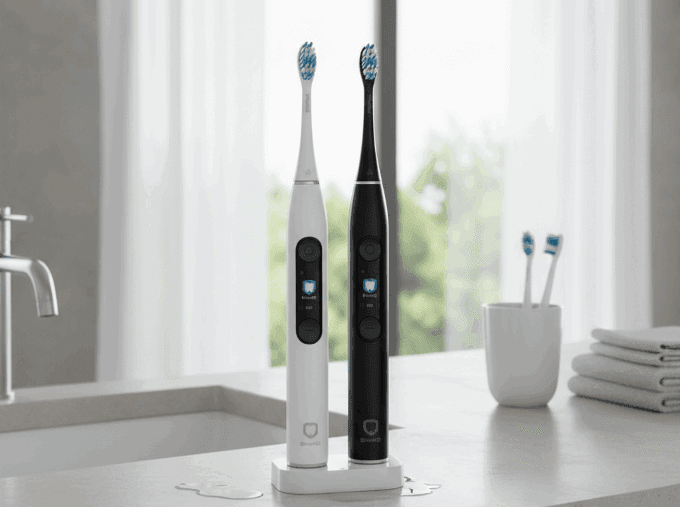
Brushing physically scrubs away plaque, the sticky biofilm made of bacteria and food debris that forms on your teeth every day. Mouthwash may reduce bacteria momentarily, but it does not eliminate plaque, especially in crevices and along the gumline.
• Plaque hardens into tartar, which only a dentist can remove.
• Tartar buildup leads to gum disease, cavities, and bad breath.
• Even high-strength antiseptic rinses lack the mechanical power of brushing.
💡 BrushO uses AI zone tracking to ensure complete plaque removal across 6 zones and 16 surfaces.
It’s easy to mistake minty freshness for cleanliness. But odor masking is not the same as bacteria removal. Mouthwash only neutralizes odor temporarily without addressing plaque or tongue bacteria.
• Brush your tongue—a major source of bad breath.
• Floss daily to remove trapped particles.
• Use mouthwash after brushing, never as a standalone solution.
Teeth are full of grooves, pits, and tight spaces where bacteria thrive. Mouthwash simply rinses over surfaces and lacks the penetration of bristles or floss.
• Back molars and gum margins
• Interdental spaces between teeth
• Areas prone to decay and gum inflammation
💡 BrushO’s smart sensors guide users to brush every corner, even hard-to-reach zones.
When used properly, mouthwash adds value to an oral hygiene routine. Its benefits include:
• Reducing surface-level bacteria and plaque
• Offering fluoride to strengthen enamel
• Calming gum inflammation with herbal/medicated rinses
• Refreshing breath after meals or in between brushing
1. Brush thoroughly to remove debris.
2. Floss to clean between teeth.
3. Rinse with mouthwash to finish and protect.
Avoid using mouthwash as the first step or only step—it may give a false sense of cleanliness.
Over-reliance on mouthwash while skipping brushing can lead to serious consequences:
• Increased risk of cavities and gingivitis
• Persistent bad breath from leftover bacteria
• Tartar buildup that brushing could have prevented
• Weak enamel due to missed fluoride contact
No rinse—no matter how expensive or potent—can physically dislodge plaque or polish the teeth.
Mouthwash is a powerful tool—but not a substitute. Think of it as the final polish, not the core cleaning method. The foundation of oral health is still brushing and flossing, performed consistently and correctly. With smart tools like BrushO, users can improve their brushing effectiveness with real-time pressure feedback, personalized coverage reports, and habit reinforcement through its “Brush & Earn” rewards system. When brushing is guided and consistent, mouthwash becomes the perfect supporting actor—not the lead role.
Feb 4
Jan 30
Jul 30
Jul 30
Jul 29
Jul 22
Jul 19
Jul 17

PPM describes concentration, not the amount to put on the brush. Learn how to read fluoride information while keeping regional guidance and individual advice in view.

That forgotten tube deserves a label check. Learn what toothpaste shelf-life information refers to, why storage matters, and how to avoid guessing from appearance.

Clear gel or opaque paste? Texture is only one feature. Learn which label details matter when comparing toothpastes for your brushing routine.

Minty toothpaste can create a cooling sensation without being chilled. Explore what menthol does and why a fresh feeling is different from complete cleaning.

The sound of a powered brush comes with its moving mechanism. Learn how normal operating noise differs from alerts or an unexpected change that needs checking.

Toothpaste on the mirror? Check when you switch the brush on and off, how you position it, and how to pause without rushing your routine.

A whitening brushing program and a bleaching treatment are different things. Learn how to interpret mode names, surface-stain claims, and realistic expectations.

A tiny cluster of bristles serves a different purpose from a full-size head. Learn where a single-tuft brush may fit into an individually recommended cleaning routine.

Angled tufts, different bristle heights, and the angle of your hand are separate design questions. Learn how to read a toothbrush-head description clearly.

A larger head is not an automatic shortcut to cleaner teeth. Learn how head size affects access, positioning, and the fit of your daily brushing routine.

Die BrushO KI-Elektrozahnbürste bietet Echtzeit-Anleitung, Druckfeedback, Abdeckungsverfolgung und Fortschrittsberichte in der App für eine sauberere tägliche Routine.
Die BrushO KI-Elektrozahnbürste bietet Echtzeit-Anleitung, Druckfeedback, Abdeckungsverfolgung und Fortschrittsberichte in der App für eine sauberere tägliche Routine.


Address: RM 1427, 14/F RADIO CITY 505, HENNESSY RD CAUSEWAY BAY, HONG KONG
Code: 000000
Phone: +852-53758652
Email: customerservice@brusho.com