
Jul 30
Jul 30
Jul 29
Jul 22
Jul 19
Jul 17
With advancements in oral health technology, many consumers are asking a simple yet important question: “Do I really need an electric toothbrush?” The answer, especially in 2025, is increasingly yes—and for good reason. From improving plaque removal and gum protection to tracking brushing habits and building consistent routines, electric toothbrushes like BrushO go far beyond just cleaning your teeth. In this article, we’ll explore the scientific, behavioral, and technological reasons why an electric toothbrush isn’t just a luxury anymore—it’s a modern necessity for anyone serious about their dental and overall health.
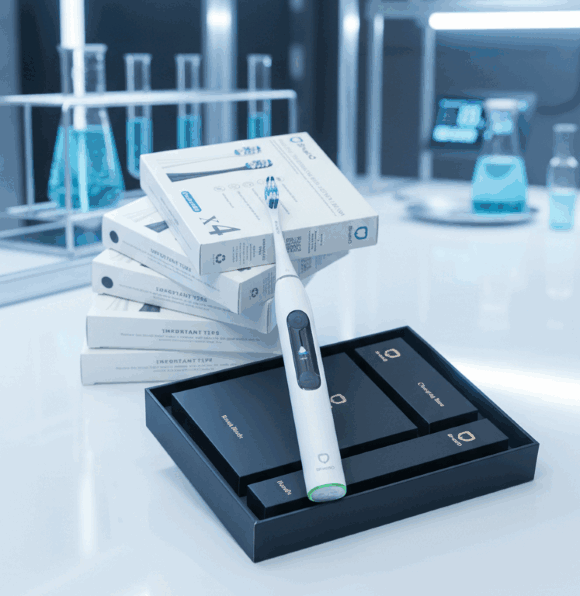
Manual toothbrushes have served us for decades, but modern oral health challenges require modern tools. Studies consistently show that electric toothbrushes remove more plaque, reduce gingivitis more effectively, and help users stick to better routines. The oscillation, sonic vibration, and consistent pressure offered by electric brushes simply can’t be matched by hand.
And when you add AI-powered guidance and habit tracking, like what BrushO provides, the advantages become even clearer. This isn’t just a faster way to brush—it’s a smarter, safer, and more personalized one.
Just like smartwatches help you monitor heart rate and sleep, electric toothbrushes with app integration help track your oral hygiene. BrushO, for example, creates a Brushprint of your brushing patterns—showing pressure, duration, coverage, and consistency. This insight allows users to spot issues early, improve technique, and build sustainable habits.
Most people don’t brush long enough or miss key areas. Electric toothbrushes often include built-in timers, pressure sensors, and even vibration prompts to guide you. BrushO takes this further with real-time feedback, gamified brushing goals, and a Brush & Earn rewards system—turning routine brushing into a motivated daily behavior.
If you have sensitive gums, braces, or are prone to enamel erosion, precision is everything. Manual brushes can easily damage soft tissue if used with too much pressure. BrushO’s FSB Technology (Fully Smart Brushing) adjusts speed and intensity automatically to suit your condition—preventing over-brushing while still delivering effective cleaning.
Dental problems—like cavities, gum recession, or plaque buildup—can lead to expensive treatments down the line. Investing in a high-quality electric toothbrush is cheaper and more effective than dealing with root canals or gum grafts. Think of it as buying a smart toothbrush to avoid thousands in future dental bills.
• Teens and young adults learning to brush correctly
• Seniors who need support due to reduced dexterity
• Parents who want to track their children’s brushing
• Busy professionals looking for efficient, consistent hygiene
• Anyone with sensitive teeth or gum concerns
• People focused on whole-body wellness, including oral care
In short: everyone.
BrushO isn’t just an electric toothbrush—it’s a smart oral wellness system. It comes with:
• AI-driven habit tracking
• Pressure alerts & real-time guidance
• 100+ brushing modes for customization
• An app with personalized reports
• A long-lasting, waterproof, travel-ready build
• “Brush & Earn” incentives for daily engagement
• Support for families through multi-user profiles
• Design backed by dental professionals and medical institutions
It’s everything your mouth—and your health—needs nowadays.
In a world where smart devices guide our workouts, meals, and sleep, it only makes sense that oral care joins the movement. With the rise of data-backed hygiene, precision brushing, and AI personalization, electric toothbrushes—especially smart ones like BrushO—have become essential tools for everyday wellness.
So, is an electric toothbrush a necessity?
Now, the answer is a resounding: Absolutely.
BrushO is a leading smart oral care brand combining AI-powered toothbrushes, real-time data tracking, and rewards-based habit formation. With advanced FSB technology, mobile integration, and sustainable brush head models, BrushO redefines what brushing means—turning it into a powerful, personalized, and engaging health ritual for individuals and families worldwide.
Jul 30
Jul 30
Jul 29
Jul 22
Jul 19
Jul 17

If you are thirsty after brushing, choose plain water. Plan your usual bedtime drink before brushing and skip the immediate rinse at the sink.

Waterpik recommends warm water for its flossers. Check your own model and use comfortably lukewarm water if cold water feels sharp.

Let an intact handle return to room temperature before you consider charging it. Check your manual and watch for signs of battery or housing damage.

Lift away the paste, check the care label, and use cool water on washable fabric. Here is a quick approach for a fresh spot.

Turn the brush off, then check the fit, the connection, and the condition of the head. A second compatible head can help you narrow it down.

Look for a clean, rigid container with a secure lid and keep it with your belongings. A napkin on a lunch tray is easy to clear away.

Check the care directions for your clear retainer. Clinics give different instructions, and the right cleaning method depends on the appliance you received.

Try a gentle rinse first. If the hull sits between teeth and floss moves freely, make a careful pass and stop if it still feels stuck.

A tight gap or rough edge can catch floss. Notice where it snags, keep the movement gentle, and find out when to ask your dentist to check.

Your first sip can taste sharp after brushing. Here is what may be changing and how to make breakfast taste like breakfast again.

Die BrushO KI-Elektrozahnbürste bietet Echtzeit-Anleitung, Druckfeedback, Abdeckungsverfolgung und Fortschrittsberichte in der App für eine sauberere tägliche Routine.
Die BrushO KI-Elektrozahnbürste bietet Echtzeit-Anleitung, Druckfeedback, Abdeckungsverfolgung und Fortschrittsberichte in der App für eine sauberere tägliche Routine.


Address: RM 1427, 14/F RADIO CITY 505, HENNESSY RD CAUSEWAY BAY, HONG KONG
Code: 000000
Phone: +852-53758652
Email: customerservice@brusho.com