
Jul 30
Jul 30
Jul 29
Jul 22
Jul 19
Jul 17
Sparkling water is often seen as a healthier alternative to sugary sodas—zero calories, refreshing fizz, and sometimes a hint of flavor. But does that bubbly goodness come at a cost to your teeth? Many people don’t realize that even unflavored sparkling water is acidic due to its carbonation process, which can wear down enamel over time. In this article, we break down the science behind sparkling water, the risks to your oral health, and how to enjoy your favorite fizzy drinks without sacrificing your smile. Plus, we’ll show you how BrushO helps monitor enamel risk with advanced AI brushing feedback.
Carbonation is created when carbon dioxide (CO₂) is dissolved in water under pressure. This reaction forms carbonic acid, which gives sparkling water its tangy taste—and its acidity.
• pH of sparkling water: ~3.0–4.0
• pH of still water: ~7.0 (neutral)
Though not as acidic as soda or citrus juice, sparkling water still falls into the acidic range that can contribute to enamel erosion with frequent exposure.
The outer layer of your teeth, enamel, is highly mineralized and strong—but vulnerable to acids. Repeated exposure to acidic beverages can soften enamel, making it more prone to:
• Cavities
• Sensitivity
• Discoloration
Even plain, unflavored sparkling water—when consumed often—can contribute to slow enamel wear.
Many flavored sparkling waters contain citric acid or other flavor enhancers, increasing their acidity significantly. These are more erosive and can cause more damage than plain seltzer.
Eating while sipping neutralizes acid and encourages saliva flow, which helps buffer the pH in your mouth.
Frequent sipping prolongs acid exposure. Instead, enjoy your drink in one sitting.
After drinking, swish with plain water to rinse away acidity.
Wait 30 minutes before brushing your teeth after acidic drinks to prevent scrubbing softened enamel.
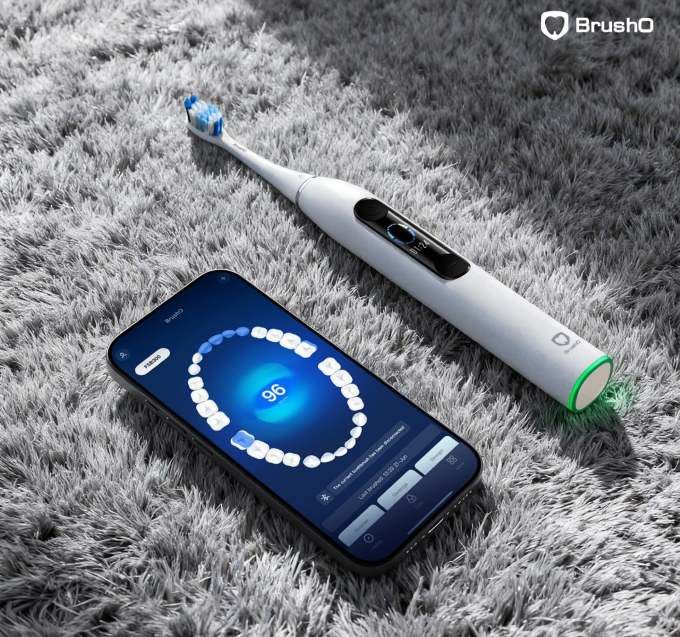
With its AI-powered brushing feedback, BrushO detects brushing pressure, duration, and sensitivity patterns over time. For those regularly drinking sparkling water, BrushO can:
• Alert you to areas of enamel thinning through brushing feedback.
• Adjust intensity and zone guidance for gentle brushing on sensitive spots.
• Provide long-term reports on brushing behavior and risk zones.
BrushO doesn’t just clean—it protects proactively.
Sparkling water isn’t something you need to eliminate—but it’s something to be mindful of. Its acidity may be mild, but regular exposure without care can erode enamel and impact your smile over time. With the right precautions and smart brushing tools like BrushO, you can enjoy your fizz without compromise.
Dec 25
Dec 25
Jul 30
Jul 30
Jul 29
Jul 22
Jul 19
Jul 17

If you are thirsty after brushing, choose plain water. Plan your usual bedtime drink before brushing and skip the immediate rinse at the sink.

Waterpik recommends warm water for its flossers. Check your own model and use comfortably lukewarm water if cold water feels sharp.

Let an intact handle return to room temperature before you consider charging it. Check your manual and watch for signs of battery or housing damage.

Lift away the paste, check the care label, and use cool water on washable fabric. Here is a quick approach for a fresh spot.

Turn the brush off, then check the fit, the connection, and the condition of the head. A second compatible head can help you narrow it down.

Look for a clean, rigid container with a secure lid and keep it with your belongings. A napkin on a lunch tray is easy to clear away.

Check the care directions for your clear retainer. Clinics give different instructions, and the right cleaning method depends on the appliance you received.

Try a gentle rinse first. If the hull sits between teeth and floss moves freely, make a careful pass and stop if it still feels stuck.

A tight gap or rough edge can catch floss. Notice where it snags, keep the movement gentle, and find out when to ask your dentist to check.

Your first sip can taste sharp after brushing. Here is what may be changing and how to make breakfast taste like breakfast again.

Die BrushO KI-Elektrozahnbürste bietet Echtzeit-Anleitung, Druckfeedback, Abdeckungsverfolgung und Fortschrittsberichte in der App für eine sauberere tägliche Routine.
Die BrushO KI-Elektrozahnbürste bietet Echtzeit-Anleitung, Druckfeedback, Abdeckungsverfolgung und Fortschrittsberichte in der App für eine sauberere tägliche Routine.


Address: RM 1427, 14/F RADIO CITY 505, HENNESSY RD CAUSEWAY BAY, HONG KONG
Code: 000000
Phone: +852-53758652
Email: customerservice@brusho.com