
Jul 30
Jul 30
Jul 29
Jul 22
Jul 19
Jul 17
Brace care tips are essential for anyone wearing orthodontics. While braces straighten your smile, they also make daily oral hygiene more challenging. Small mistakes—like eating sticky foods or brushing too aggressively—can slow treatment, damage braces, and even harm your teeth. In this article, we’ll cover the key things you must avoid with braces, practical tips to stay on track, and how smart tools like BrushO make caring for braces easier than ever.
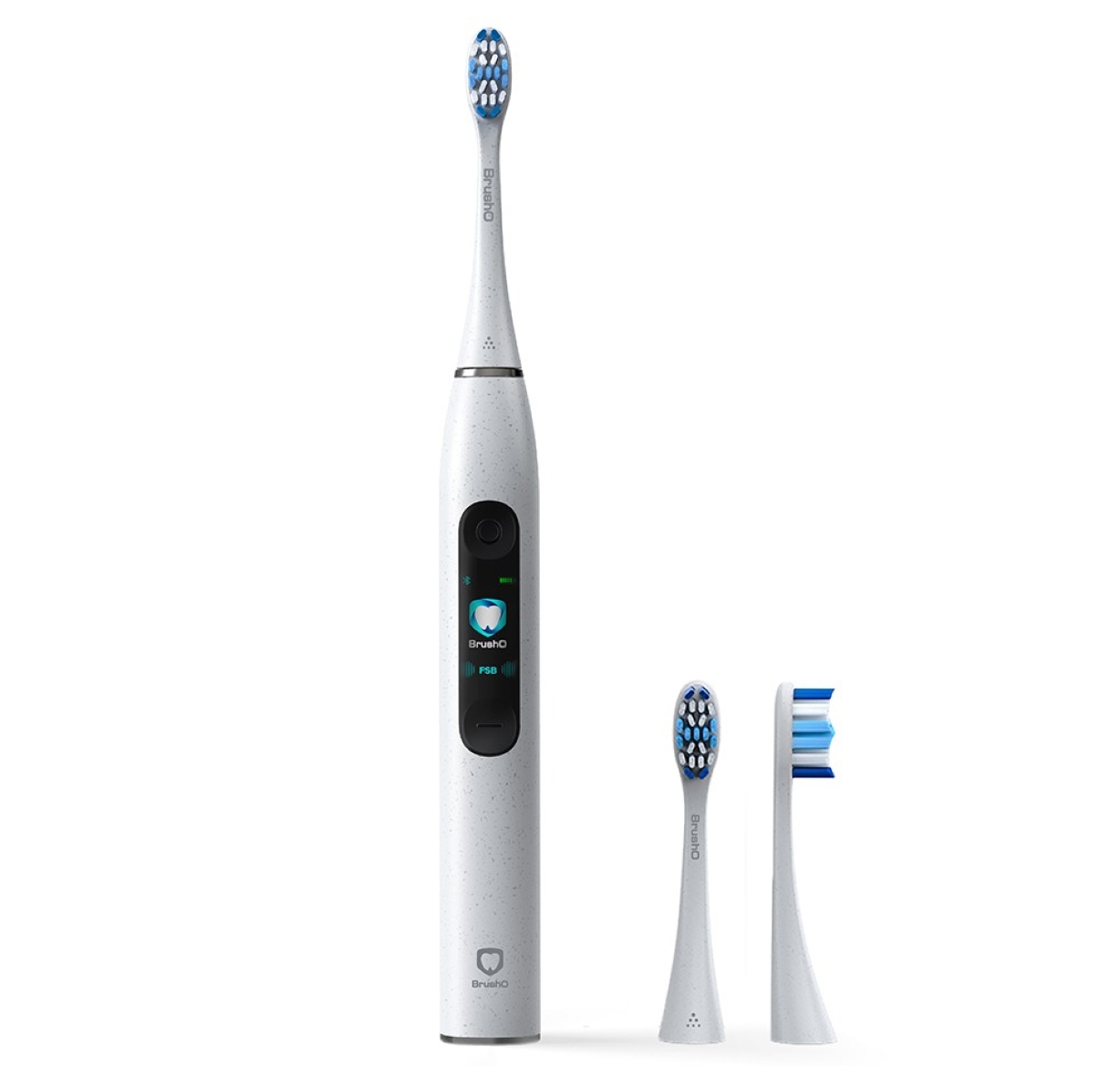
Braces create new surfaces where food and bacteria can hide. Plaque buildup around brackets and wires increases the risk of:
Cavities
Gum inflammation
Stains and white spots
Longer treatment times
👉 Good oral care is critical to protect both your braces and your teeth.
Many people think aggressive brushing cleans better. But with braces:
Hard brushing can damage wires and scratch brackets.
It can also wear down enamel and irritate gums.
Tip: Use a gentle or sensitive mode on your BrushO toothbrush to protect both braces and enamel.
Braces make flossing harder, but skipping it leads to plaque around wires and brackets.
Use floss threaders or interdental brushes to clean between teeth.
Consider a water flosser for easier daily care.
Certain foods can cause braces trouble:
Sticky foods (caramel, gum) → pull on brackets.
Hard foods (nuts, popcorn, ice) → can break wires.
Sugary snacks → increase cavity risk around braces.
Tip: Cut harder foods into smaller bites, and rinse after eating.
Some think brushing at home is enough, but braces require regular professional monitoring. Dentists and orthodontists check for:
Bracket stability
Wire tension
Plaque or tartar buildup
Skipping visits can delay your progress.
Plaque around brackets leads to white spot lesions—permanent marks on enamel after braces are removed.
Angle your toothbrush at 45 degrees to reach under brackets.
Brush for at least 2 minutes twice a day.
A smart electric toothbrush like BrushO solves many of these challenges:
AI-powered feedback ensures all tooth surfaces are cleaned.
Sensitive & gum-care modes protect enamel and gums.
Replaceable brush heads are designed for precision cleaning.
App tracking motivates consistency with scores and reminders.
👉 With BrushO, braces care becomes simpler, safer, and more effective.
Q1: Can I eat popcorn with braces?
No. Kernels can break wires or get stuck between brackets.
Q2: What toothbrush is best for braces?
A smart electric toothbrush with gentle modes and smaller heads, like BrushO, is ideal.
Q3: How often should I brush with braces?
At least twice daily, ideally after each meal.
Q4: Is flossing necessary with braces?
Yes. Flossing removes plaque where brushes can’t reach.
Caring for braces requires extra attention and discipline. Avoiding common mistakes—like brushing too hard, eating sticky foods, or skipping flossing—makes a huge difference in treatment success. With BrushO’s smart technology, braces users get guided brushing, safer modes, and consistent care that keeps teeth and gums healthy during orthodontic treatment.
Jul 30
Jul 30
Jul 29
Jul 22
Jul 19
Jul 17

PPM describes concentration, not the amount to put on the brush. Learn how to read fluoride information while keeping regional guidance and individual advice in view.

That forgotten tube deserves a label check. Learn what toothpaste shelf-life information refers to, why storage matters, and how to avoid guessing from appearance.

Clear gel or opaque paste? Texture is only one feature. Learn which label details matter when comparing toothpastes for your brushing routine.

Minty toothpaste can create a cooling sensation without being chilled. Explore what menthol does and why a fresh feeling is different from complete cleaning.

The sound of a powered brush comes with its moving mechanism. Learn how normal operating noise differs from alerts or an unexpected change that needs checking.

Toothpaste on the mirror? Check when you switch the brush on and off, how you position it, and how to pause without rushing your routine.

A whitening brushing program and a bleaching treatment are different things. Learn how to interpret mode names, surface-stain claims, and realistic expectations.

A tiny cluster of bristles serves a different purpose from a full-size head. Learn where a single-tuft brush may fit into an individually recommended cleaning routine.

Angled tufts, different bristle heights, and the angle of your hand are separate design questions. Learn how to read a toothbrush-head description clearly.

A larger head is not an automatic shortcut to cleaner teeth. Learn how head size affects access, positioning, and the fit of your daily brushing routine.

Die BrushO KI-Elektrozahnbürste bietet Echtzeit-Anleitung, Druckfeedback, Abdeckungsverfolgung und Fortschrittsberichte in der App für eine sauberere tägliche Routine.
Die BrushO KI-Elektrozahnbürste bietet Echtzeit-Anleitung, Druckfeedback, Abdeckungsverfolgung und Fortschrittsberichte in der App für eine sauberere tägliche Routine.


Address: RM 1427, 14/F RADIO CITY 505, HENNESSY RD CAUSEWAY BAY, HONG KONG
Code: 000000
Phone: +852-53758652
Email: customerservice@brusho.com