
Jul 30
Jul 30
Jul 29
Jul 22
Jul 19
Jul 17
When we think about brushing our teeth, we often focus only on the teeth themselves—front, back, and chewing surfaces. But what about the roof of your mouth? Also known as the palate, this area is often skipped in daily routines, despite its role in harboring bacteria and affecting breath freshness. In this article, we’ll explore why cleaning the roof of your mouth matters, what risks are associated with ignoring it, and how BrushO’s smart feedback system helps ensure no area is left behind.
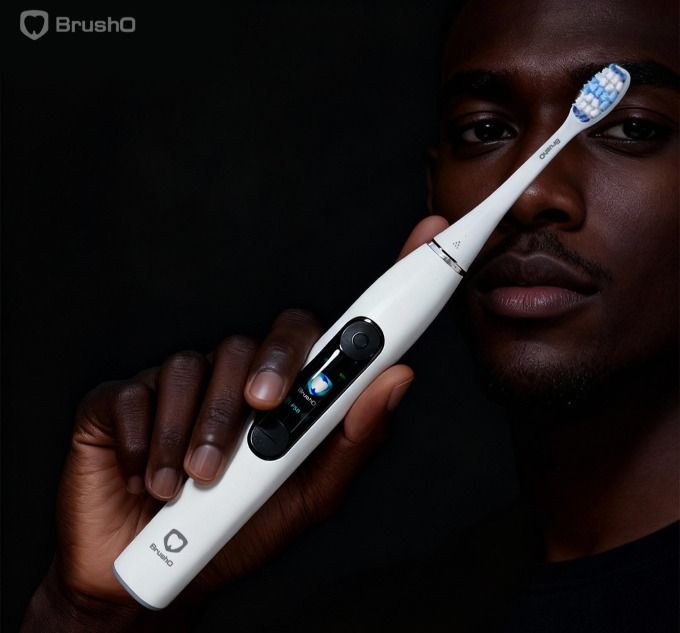
The roof of your mouth—the hard and soft palate—is part of the oral cavity and plays an active role in speech, swallowing, and even your immune response. Like your tongue and teeth, it can accumulate bacteria, food debris, and dead cells throughout the day.
• Bacterial buildup: This area provides a warm, moist environment where bacteria thrive.
• Halitosis (bad breath): When left uncleaned, it can contribute to persistent bad breath.
• Oral health imbalance: Neglecting any part of the mouth can throw off your overall oral hygiene balance.
Most traditional brushing routines and even many electric toothbrushes don’t include guidance for cleaning the roof of the mouth. The lack of awareness, combined with the awkwardness of reaching this area, means it’s easily forgotten.
• It’s not part of conventional brushing instructions.
• Discomfort or gag reflex when brushing that area.
• Misconception that only teeth and tongue need cleaning.
1. Use a soft-bristled toothbrush head (like BrushO’s gentle mode head).
2. After brushing your teeth and tongue, gently glide the brush over the hard and soft palate using slow circular motions.
3. Be gentle—you’re not scrubbing, just sweeping away buildup.
4. Finish with a rinse, preferably with a mouthwash that targets bacteria.
BrushO’s FSB (Fully Smart Brushing) technology is designed to ensure no area is overlooked during your routine.
🧠 AI-Powered Heatmaps: Tracks coverage, including commonly missed areas like the palate and inner cheeks.
📱 App-Based Reminders: Suggests full-mouth hygiene, including less commonly cleaned surfaces.
🚨 Real-Time Alerts: If you’re skipping areas, the app provides gentle guidance and tips for a complete clean.
Whether it’s the back molars or the roof of your mouth, BrushO helps form whole-mouth awareness—a key to better breath and lasting oral health.
Your mouth is the gateway to your body. Ensuring all surfaces—including the roof—are properly cleaned reduces oral bacteria that can contribute to:
• Gum disease
• Systemic inflammation
• Bad breath and dry mouth
With BrushO, whole-mouth care becomes not just easier—but smarter and more rewarding.
Ignoring the roof of your mouth might seem like a small oversight, but it can have big consequences for your oral hygiene. By giving this often-forgotten area the attention it deserves, you enhance your brushing routine and support your full-body health. With the help of smart tools like BrushO, no surface gets left behind.
Dec 15
Dec 11
Jul 30
Jul 30
Jul 29
Jul 22
Jul 19
Jul 17

PPM describes concentration, not the amount to put on the brush. Learn how to read fluoride information while keeping regional guidance and individual advice in view.

That forgotten tube deserves a label check. Learn what toothpaste shelf-life information refers to, why storage matters, and how to avoid guessing from appearance.

Clear gel or opaque paste? Texture is only one feature. Learn which label details matter when comparing toothpastes for your brushing routine.

Minty toothpaste can create a cooling sensation without being chilled. Explore what menthol does and why a fresh feeling is different from complete cleaning.

The sound of a powered brush comes with its moving mechanism. Learn how normal operating noise differs from alerts or an unexpected change that needs checking.

Toothpaste on the mirror? Check when you switch the brush on and off, how you position it, and how to pause without rushing your routine.

A whitening brushing program and a bleaching treatment are different things. Learn how to interpret mode names, surface-stain claims, and realistic expectations.

A tiny cluster of bristles serves a different purpose from a full-size head. Learn where a single-tuft brush may fit into an individually recommended cleaning routine.

Angled tufts, different bristle heights, and the angle of your hand are separate design questions. Learn how to read a toothbrush-head description clearly.

A larger head is not an automatic shortcut to cleaner teeth. Learn how head size affects access, positioning, and the fit of your daily brushing routine.

Die BrushO KI-Elektrozahnbürste bietet Echtzeit-Anleitung, Druckfeedback, Abdeckungsverfolgung und Fortschrittsberichte in der App für eine sauberere tägliche Routine.
Die BrushO KI-Elektrozahnbürste bietet Echtzeit-Anleitung, Druckfeedback, Abdeckungsverfolgung und Fortschrittsberichte in der App für eine sauberere tägliche Routine.


Address: RM 1427, 14/F RADIO CITY 505, HENNESSY RD CAUSEWAY BAY, HONG KONG
Code: 000000
Phone: +852-53758652
Email: customerservice@brusho.com