
Jul 30
Jul 30
Jul 29
Jul 22
Jul 19
Jul 17
As we age, our oral health needs evolve. Receding gums, increased sensitivity, dry mouth, and higher risks of cavities and gum disease become more common. Developing smart brushing habits is essential not only for maintaining a bright smile but also for preserving overall health and well-being. With aging populations facing unique oral challenges, this article explores dentist-backed techniques, age-friendly routines, and how AI-powered toothbrushes like BrushO can help seniors and adults protect their teeth and gums for the long run.
Aging affects multiple aspects of oral health, including:
• Gum recession, exposing tooth roots and increasing sensitivity.
• Dry mouth (xerostomia), often due to medications or reduced saliva production.
• Weakened enamel, making teeth more vulnerable to decay.
• Manual dexterity loss, making effective brushing harder.
Poor oral hygiene in later life has also been linked to systemic conditions like cardiovascular disease, diabetes, and even cognitive decline.
Maintaining good oral hygiene is about more than just your smile—it’s about healthy aging. Studies show:
• Gum disease is associated with increased risk of Alzheimer’s disease.
• Chronic inflammation from poor oral hygiene may lead to heart problems.
• Tooth loss is correlated with nutritional deficiencies in older adults.
This makes a smart, consistent brushing habit a key pillar of longevity and graceful aging.
Use a soft-bristled brush and light pressure to prevent gum damage and enamel erosion. Replace your brush head every 3 months.
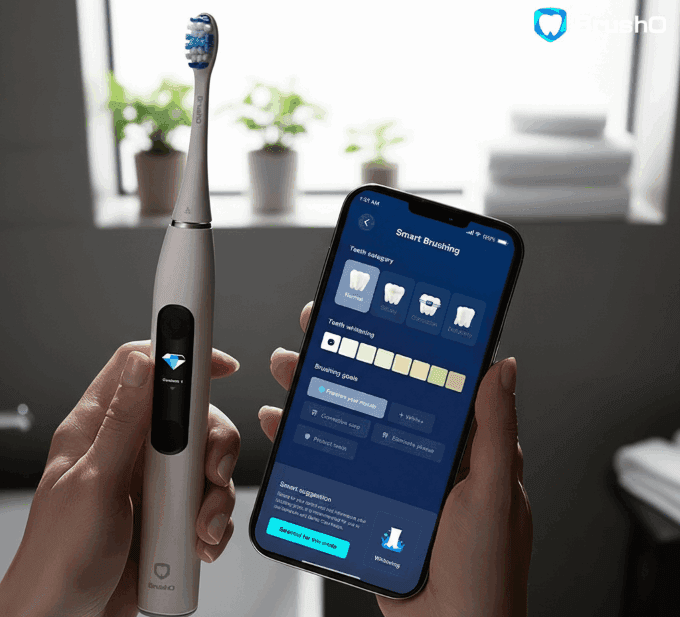
AI-powered brushes like BrushO help monitor brushing technique and ensure full coverage, especially important if your dexterity is declining. They:
• Track pressure to avoid gum damage
• Give real-time zone feedback
• Offer daily brushing scores and reports
Aim for at least 2 minutes, twice a day. Use a brush that provides timed intervals or section guidance to help stay consistent.
Older adults are prone to gum disease. Angle the bristles at 45 degrees to clean where plaque hides.
Halitosis (bad breath) can increase with age. Use a tongue scraper or BrushO’s tongue-care tips to keep your breath fresh.
Strengthen enamel with a fluoride rinse after brushing—especially if you’re experiencing dry mouth.
With BrushO’s app-based brushing history and personalized reminders, stay on top of your daily oral care—even as memory or routine adherence becomes harder.
BrushO is more than just a toothbrush—it’s a personalized oral health assistant, ideal for those entering midlife or retirement. Features include:
• AI-guided zone brushing (6 zones, 16 surfaces)
• Pressure monitoring to protect sensitive gums
• Routine scoring and smart habit feedback
• Gentle mode settings for those with enamel wear or gum sensitivity
• Visual brushing reports via app for tracking improvement
These features help users age with confidence, knowing their brushing habits are optimized for health.
Integrate brushing into your self-care rituals:
• Brush after stretching, yoga, or morning tea.
• Pair brushing with wellness practices like journaling or meditation.
• Use brushing time to practice mindfulness—slow down and breathe.
This mindset helps shift brushing from a chore into a self-care habit that supports graceful aging.
Healthy aging starts in the mouth. By developing smart brushing habits tailored to the needs of older adults—and embracing smart tools like BrushO—you can protect your oral health, preserve your smile, and age with confidence and vitality.
Jul 30
Jul 30
Jul 29
Jul 22
Jul 19
Jul 17

PPM describes concentration, not the amount to put on the brush. Learn how to read fluoride information while keeping regional guidance and individual advice in view.

That forgotten tube deserves a label check. Learn what toothpaste shelf-life information refers to, why storage matters, and how to avoid guessing from appearance.

Clear gel or opaque paste? Texture is only one feature. Learn which label details matter when comparing toothpastes for your brushing routine.

Minty toothpaste can create a cooling sensation without being chilled. Explore what menthol does and why a fresh feeling is different from complete cleaning.

The sound of a powered brush comes with its moving mechanism. Learn how normal operating noise differs from alerts or an unexpected change that needs checking.

Toothpaste on the mirror? Check when you switch the brush on and off, how you position it, and how to pause without rushing your routine.

A whitening brushing program and a bleaching treatment are different things. Learn how to interpret mode names, surface-stain claims, and realistic expectations.

A tiny cluster of bristles serves a different purpose from a full-size head. Learn where a single-tuft brush may fit into an individually recommended cleaning routine.

Angled tufts, different bristle heights, and the angle of your hand are separate design questions. Learn how to read a toothbrush-head description clearly.

A larger head is not an automatic shortcut to cleaner teeth. Learn how head size affects access, positioning, and the fit of your daily brushing routine.

BrushO AI ইলেকট্রিক টুথব্রাশ রিয়েল-টাইম ব্রাশিং গাইড, চাপের ফিডব্যাক, কভারেজ ট্র্যাকিং এবং অ্যাপ-ভিত্তিক অগ্রগতি রিপোর্ট দেয়, যাতে দৈনন্দিন রুটিন আরও পরিষ্কার ও সহজ হয়।
BrushO AI ইলেকট্রিক টুথব্রাশ রিয়েল-টাইম ব্রাশিং গাইড, চাপের ফিডব্যাক, কভারেজ ট্র্যাকিং এবং অ্যাপ-ভিত্তিক অগ্রগতি রিপোর্ট দেয়, যাতে দৈনন্দিন রুটিন আরও পরিষ্কার ও সহজ হয়।


Address: RM 1427, 14/F RADIO CITY 505, HENNESSY RD CAUSEWAY BAY, HONG KONG
Code: 000000
Phone: +852-53758652
Email: customerservice@brusho.com