
Jul 30
Jul 30
Jul 29
Jul 22
Jul 19
Jul 17
In the world of electric toothbrushes, it’s not enough to spin fast; you need precision, balance, and feedback. That’s the promise behind BrushO’s FSB technology (“Fully Smart Brushing”)—a motor system designed to offer up to 64,000 RPM, zone‑by‑zone tracking, pressure adaptation, and ultra‑quiet operation. In this article, we’ll break down what FSB really means, how it works, the scientific advantages it brings for both plaque removal and gum protection, and why it’s a standout feature for users who want oral care that evolves with them.
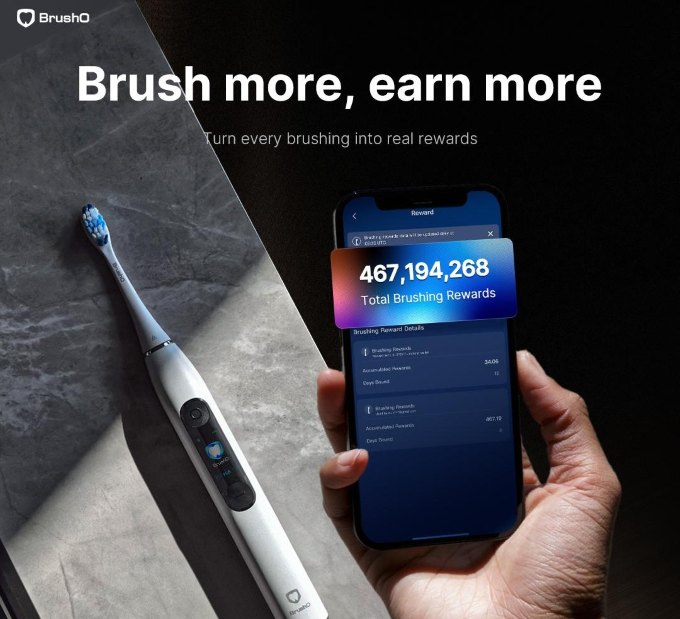
FSB stands for Fully Smart Brushing—a proprietary system from BrushO that blends high‑speed motor mechanics, real‑time sensor feedback, and adaptive software intelligence.
Key components include:
• A 2nd‑generation Maglev sonic motor rated up to 64,000 rpm.
• AI sensors that detect brushing pressure, coverage area (6 zones / 16 surfaces), and motion.
• Firmware and app integration to adjust performance and provide personalized feedback.
• Smart design features like ultra‑quiet operation (< 45 dB) and IPX7 waterproofing.
While many electric toothbrush brands tout “high RPM,” FSB emphasizes balanced performance:
High speed alone can risk enamel wear or gum recession. FSB modulates vibration according to brushing mode and pressure sensor input, allowing for effective plaque disruption while guarding soft tissues.
With six zones and 16 surfaces mapped in the app, FSB ensures you don’t skip back molars or hidden sulcus areas—critical spots for early gum disease.
Whether you choose “Whitening,” “Gum Care,” or a custom setting, FSB calibrates the motor’s behavior—avoiding the common issue of a high‑powered brush being too harsh for sensitive users.
According to BrushO’s product page, FSB technology contributes to up to 20× more plaque removal compared to manual brushes. This increased efficacy is achieved by combining high‑frequency bristle motion with optimized power delivery rather than raw speed alone.
Over‑brushing and excess pressure are known risk factors for gum recession. FSB’s built‑in smart pressure sensor monitors your force and the app delivers feedback when you exceed safe thresholds—helping preserve your gingiva for the long term.
FSB’s use of Maglev technology offers lower friction, less heat, and quieter operation (< 45 dB), meaning users can brush comfortably—even in the early morning—without disturbing others.
• Select the correct mode in the BrushO app: Choose Gum Care if you’re sensitive, Whitening if you drink coffee or tea often.
• Follow zone prompts: Monitor the six‑zone/16‑surface display and make sure you deal with back molars.
• Watch for pressure alerts: The brush will flash or the app will notify you if you’re pressing too hard—reduce force, let the brush do the work.
• Replace brush head on schedule: Though FSB gives you smart feedback, heads still need replacement—BrushO’s lifetime free head program ensures you’re covered.
• Use the app’s progress data: Review your monthly brushing stats and set micro‑goals—better consistency often leads to fewer dental issues.
• High‑speed motor + adaptive intelligence = deep clean + soft touch
• Real‑time feedback helps avoid gum damage, enamel wear and missed zones
• Data‑driven brushing fosters better habits and long‑term oral health
• Quiet, durable design suitable for sensitive users, busy schedules and travel
• Integrated with BrushO’s broader ecosystem (app, rewards, lifetime heads) for ongoing value
BrushO is a brand offering AI‑powered smart electric toothbrushes. With its FSB (Fully Smart Brushing) technology, 64,000 RPM motor, app‑connected feedback system, and sustainable lifetime brush‑head program, BrushO is redefining how we approach oral hygiene—from routine to insight‑driven. Recommended by over 40 UK dental clinics and introduced via Stanford innovation, BrushO blends performance, personalization, and long‑term value.
Nov 6
Nov 6
Jul 30
Jul 30
Jul 29
Jul 22
Jul 19
Jul 17

If you are thirsty after brushing, choose plain water. Plan your usual bedtime drink before brushing and skip the immediate rinse at the sink.

Waterpik recommends warm water for its flossers. Check your own model and use comfortably lukewarm water if cold water feels sharp.

Let an intact handle return to room temperature before you consider charging it. Check your manual and watch for signs of battery or housing damage.

Lift away the paste, check the care label, and use cool water on washable fabric. Here is a quick approach for a fresh spot.

Turn the brush off, then check the fit, the connection, and the condition of the head. A second compatible head can help you narrow it down.

Look for a clean, rigid container with a secure lid and keep it with your belongings. A napkin on a lunch tray is easy to clear away.

Check the care directions for your clear retainer. Clinics give different instructions, and the right cleaning method depends on the appliance you received.

Try a gentle rinse first. If the hull sits between teeth and floss moves freely, make a careful pass and stop if it still feels stuck.

A tight gap or rough edge can catch floss. Notice where it snags, keep the movement gentle, and find out when to ask your dentist to check.

Your first sip can taste sharp after brushing. Here is what may be changing and how to make breakfast taste like breakfast again.

BrushO AI ইলেকট্রিক টুথব্রাশ রিয়েল-টাইম ব্রাশিং গাইড, চাপের ফিডব্যাক, কভারেজ ট্র্যাকিং এবং অ্যাপ-ভিত্তিক অগ্রগতি রিপোর্ট দেয়, যাতে দৈনন্দিন রুটিন আরও পরিষ্কার ও সহজ হয়।
BrushO AI ইলেকট্রিক টুথব্রাশ রিয়েল-টাইম ব্রাশিং গাইড, চাপের ফিডব্যাক, কভারেজ ট্র্যাকিং এবং অ্যাপ-ভিত্তিক অগ্রগতি রিপোর্ট দেয়, যাতে দৈনন্দিন রুটিন আরও পরিষ্কার ও সহজ হয়।


Address: RM 1427, 14/F RADIO CITY 505, HENNESSY RD CAUSEWAY BAY, HONG KONG
Code: 000000
Phone: +852-53758652
Email: customerservice@brusho.com