
Jul 30
Jul 30
Jul 29
Jul 22
Jul 19
Jul 17
Think cavities are just about sugar and skipping brushing? Think again. Chronic stress plays a surprising role in your oral health, contributing to cavities, gum disease, and tooth decay. From weakened immunity to bad habits, stress sets off a chain reaction that silently damages your teeth. In this article, we’ll explore how stress affects your mouth — and how smart tools like BrushO can help reduce the damage.
Stress doesn’t directly drill holes in your teeth, but it weakens your mouth’s natural defenses, leading to harmful behaviors that increase the risk of cavities. Here’s how:
When you’re stressed, your body produces less saliva — your mouth’s natural defense system. Saliva helps neutralize acid, wash away food particles, and maintain a healthy pH balance. A dry mouth creates the perfect environment for cavity-causing bacteria.
Many people clench or grind their teeth under stress, especially during sleep. This wears down enamel, making teeth more vulnerable to cavities and sensitivity.
Stress can lead to burnout, fatigue, or simply forgetting to brush and floss properly. When brushing becomes irregular or rushed, plaque builds up, increasing the risk of decay.
Craving sugar? Stress often pushes people toward comfort foods and sugary snacks, which feed the bacteria that cause cavities.
Chronic stress weakens your immune system, making it harder for your body to fight off the bacteria responsible for cavities and gum disease.
• People with high stress levels are more likely to suffer from periodontal disease.
• Cortisol, the stress hormone, can change the balance of bacteria in your mouth.
• Nighttime teeth grinding often goes undetected until real damage has occurred.
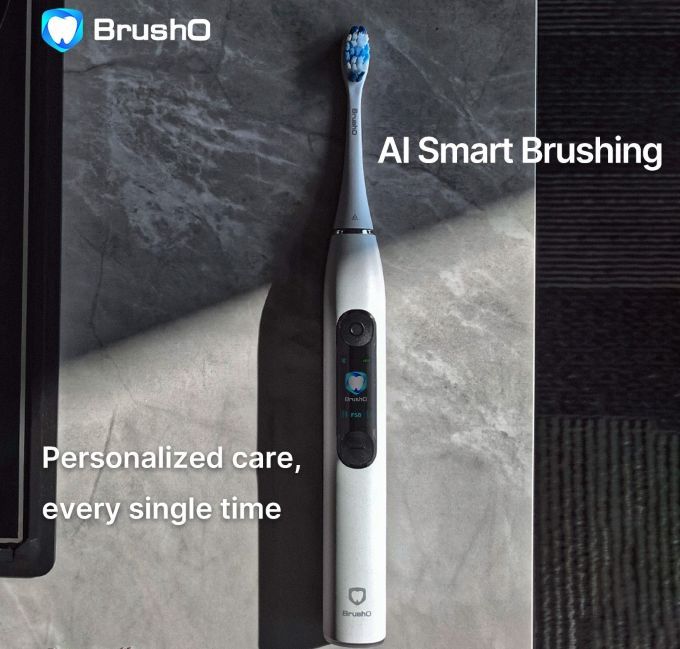
While BrushO can’t reduce your workload or eliminate anxiety, it can help minimize the oral health effects of stress by offering:
✅ Real-Time Pressure Feedback to reduce enamel damage from aggressive brushing.
✅ Zone Monitoring to ensure you don’t skip key areas — even on your most hectic days.
✅ Custom Brushing Modes like “Ultra Gentle” and “Gum Care” to soothe sensitive gums.
✅ Reminders & Rewards to help maintain consistency and motivation, even when you’re stressed.
1. Stay hydrated — keep saliva flowing.
2. Use a smart toothbrush like BrushO to maintain proper brushing habits.
3. Floss daily — don’t let stress disrupt your full routine.
4. Avoid sugary snacks and opt for tooth-friendly options like nuts or cheese.
5. Use a nightguard if you grind your teeth while sleeping.
6. Practice stress management — breathing exercises, exercise, or short breaks can go a long way.
Stress affects your mind, body, and yes — your smile. From dry mouth to poor brushing habits, it silently raises the risk of cavities and gum problems. But with a proactive brushing routine, powered by smart technology like BrushO, you can stay one step ahead of decay — even on your most stressful days.
Jul 30
Jul 30
Jul 29
Jul 22
Jul 19
Jul 17

If you are thirsty after brushing, choose plain water. Plan your usual bedtime drink before brushing and skip the immediate rinse at the sink.

Waterpik recommends warm water for its flossers. Check your own model and use comfortably lukewarm water if cold water feels sharp.

Let an intact handle return to room temperature before you consider charging it. Check your manual and watch for signs of battery or housing damage.

Lift away the paste, check the care label, and use cool water on washable fabric. Here is a quick approach for a fresh spot.

Turn the brush off, then check the fit, the connection, and the condition of the head. A second compatible head can help you narrow it down.

Look for a clean, rigid container with a secure lid and keep it with your belongings. A napkin on a lunch tray is easy to clear away.

Check the care directions for your clear retainer. Clinics give different instructions, and the right cleaning method depends on the appliance you received.

Try a gentle rinse first. If the hull sits between teeth and floss moves freely, make a careful pass and stop if it still feels stuck.

A tight gap or rough edge can catch floss. Notice where it snags, keep the movement gentle, and find out when to ask your dentist to check.

Your first sip can taste sharp after brushing. Here is what may be changing and how to make breakfast taste like breakfast again.

BrushO AI ইলেকট্রিক টুথব্রাশ রিয়েল-টাইম ব্রাশিং গাইড, চাপের ফিডব্যাক, কভারেজ ট্র্যাকিং এবং অ্যাপ-ভিত্তিক অগ্রগতি রিপোর্ট দেয়, যাতে দৈনন্দিন রুটিন আরও পরিষ্কার ও সহজ হয়।
BrushO AI ইলেকট্রিক টুথব্রাশ রিয়েল-টাইম ব্রাশিং গাইড, চাপের ফিডব্যাক, কভারেজ ট্র্যাকিং এবং অ্যাপ-ভিত্তিক অগ্রগতি রিপোর্ট দেয়, যাতে দৈনন্দিন রুটিন আরও পরিষ্কার ও সহজ হয়।


Address: RM 1427, 14/F RADIO CITY 505, HENNESSY RD CAUSEWAY BAY, HONG KONG
Code: 000000
Phone: +852-53758652
Email: customerservice@brusho.com