
Jul 30
Jul 30
Jul 29
Jul 22
Jul 19
Jul 17
Many patients only see their dentist twice a year—but what happens between those visits can make or break your oral health. Dentists often see the same avoidable issues over and over again: gum inflammation, hidden cavities, improper brushing technique, and neglected oral habits. If your dentist could whisper a few truths to you, here’s what they’d want you to know to protect your teeth for life.
Most people think brushing is just a quick two-minute task. But:
• Technique matters more than time.
• Using too much pressure can erode enamel and hurt your gums.
• Missing back teeth and inner surfaces leave plaque behind.
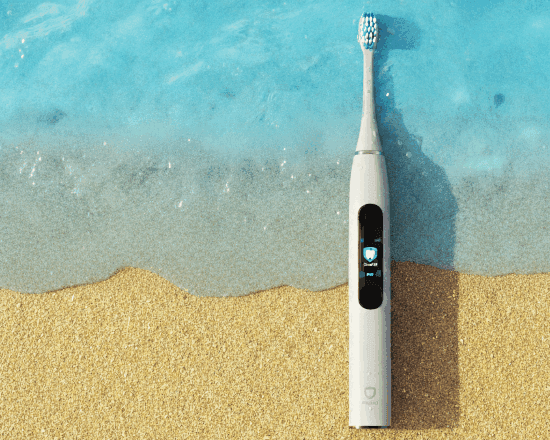
🧠 Pro Tip: A smart toothbrush like BrushO uses AI to monitor your brushing angles, pressure, and coverage so you get dentist-level precision at home.
If your gums bleed when brushing or flossing, it’s not just “sensitive gums”—it’s often the early stage of gum disease. Left untreated, this can progress to periodontitis, leading to tooth loss.
🔍 Dentists wish more patients treated bleeding as a red flag, not a routine occurrence.
Flossing isn’t just for removing food; it:
• Cleans the 40% of tooth surface your brush can’t reach
• Helps prevent cavities between teeth
• Protects your gums from bacteria buildup
Even with a smart toothbrush, manual or water flossing remains essential.
Regular check-ups help catch:
• Micro-cracks in enamel before they become cavities
• Early signs of oral cancer
• Jaw misalignments and teeth grinding you may not notice
🗓️ Your dentist isn’t just cleaning—they’re screening your entire oral system.
Overuse of whitening strips, toothpaste, and mouthwashes can:
• Weaken enamel
• Increase tooth sensitivity
• Irritate gums
💡 Whitening should be supervised by your dentist—or at least done in moderation.
Chronic bad breath is often linked to:
• Gum disease
• Dry mouth
• Poor brushing technique
• Tongue bacteria
Brushing your tongue and staying hydrated can drastically improve your breath.
Dentists are excited about AI-powered brushing tools like BrushO, which:
• Give real-time pressure alerts
• Track brushing zones
• Generate daily brushing scores
• Build better habits through app-based guidance
📱 These innovations empower patients to take control between appointments.
Dentists wish patients understood how:
• Sugary snacks = cavity fuel
• Acidic drinks (soda, citrus) = enamel erosion
• Frequent snacking = no time for enamel to recover
🍏 A tooth-friendly diet includes calcium-rich foods, crunchy veggies, and lots of water.
Your dentist isn’t just trying to nag you—they want to empower you. With the right knowledge, tools, and habits, you can prevent 90% of common dental issues before they even start. Take their silent advice seriously, and your smile will thank you.
BrushO is an AI-powered smart toothbrush designed to turn brushing into a precise, data-driven habit. With features like 6-zone feedback, pressure control, app-based progress reports, and habit streaks, BrushO bridges the gap between your bathroom and the dental chair.
Jan 21
Jan 21
Jul 30
Jul 30
Jul 29
Jul 22
Jul 19
Jul 17

Squamous cell carcinoma is not a single, uniform disease, and two of its oral variants illustrate the extremes of its behavior. Verrucous carcinoma is a slow-growing, exophytic tumor that almost never metastasizes, while spindle cell carcinoma is an aggressive, sarcomatoid malignancy that can be ...

Most people expect a toothache to be the first sign of pulp disease, but some forms of pulpitis are surprisingly silent. A pulp polyp is the visible result of chronic hyperplastic pulpitis, a condition in which the dental pulp grows out of a large carious opening as a fleshy mass. Recognizing thi...

Dry mouth is not merely uncomfortable; it is a medical condition with real consequences for teeth, speech, swallowing and quality of life. When the salivary glands cannot produce enough saliva, medications called sialogogues can restore some of the missing fluid. Pilocarpine and cevimeline are th...

A blister in the mouth can be the first warning of a systemic autoimmune disease, and two disorders deserve particular attention in the dental chair: pemphigus vulgaris and mucous membrane pemphigoid. Both produce chronic oral ulceration, yet their immunologic targets, clinical behavior and long-...

When infection drains from a tooth, the body often creates a visible escape route, and the dentist must interpret these fistulous openings correctly. A parulis is the common gum boil that signals chronic periapical infection, while an oroantral fistula is a communication between the mouth and the...

Among the fibro-osseous lesions of the jaws, the ossifying fibroma holds a unique position because it is a true neoplasm, unlike the reactive cemento-osseous dysplasia discussed in an earlier article. It grows continuously, expands bone and requires surgical removal, and its cemental variant adds...

Not all keratocystic lesions of the jaw behave alike, and one of the most important distinctions in oral pathology separates the orthokeratinized odontogenic cyst from its better-known relative, the odontogenic keratocyst. Although the two lesions look similar under the microscope at first glance...

Periodontal disease is usually a slowly progressive infection, but a rare form called necrotizing ulcerative periodontitis destroys tissue with alarming speed. Unlike ordinary periodontitis, this condition produces necrotic, cratered papillae, deep pocketing and rapid bone loss, and it appears al...

Every parent has met the child who refuses to eat because of painful mouth sores, and most of these children have one of two viral illnesses: herpangina or hand, foot and mouth disease. Both are caused by enteroviruses, both produce fever and oral ulcers, and both are overwhelmingly common in you...

Cementoosseous dysplasia is one of the most common fibro-osseous lesions found on dental radiographs, yet it is also one of the most frequently misdiagnosed. The lesion replaces normal bone with cellular fibrous tissue and cementum-like material, and it appears in several forms that range from a ...

BrushO AI Electric Toothbrush offers real-time brushing guidance, pressure feedback, coverage tracking, and app-based progress reports for a cleaner daily routine.
BrushO AI Electric Toothbrush offers real-time brushing guidance, pressure feedback, coverage tracking, and app-based progress reports for a cleaner daily routine.


Address: RM 1427, 14/F RADIO CITY 505, HENNESSY RD CAUSEWAY BAY, HONG KONG
Code: 000000
Phone: +852-53758652
Email: customerservice@brusho.com