
Jul 30
Jul 30
Jul 29
Jul 22
Jul 19
Jul 17
While brushing your teeth is often considered a basic hygiene task, it can also serve as a grounding mental ritual. With AI-guided brushing routines like those offered by BrushO, oral care transforms into a moment of calm and intentionality—helping you reset your mind, reduce cognitive overload, and start your day with focus. This article explores the surprising link between brushing habits and mental clarity, and how you can turn a mundane task into a mindful reset.
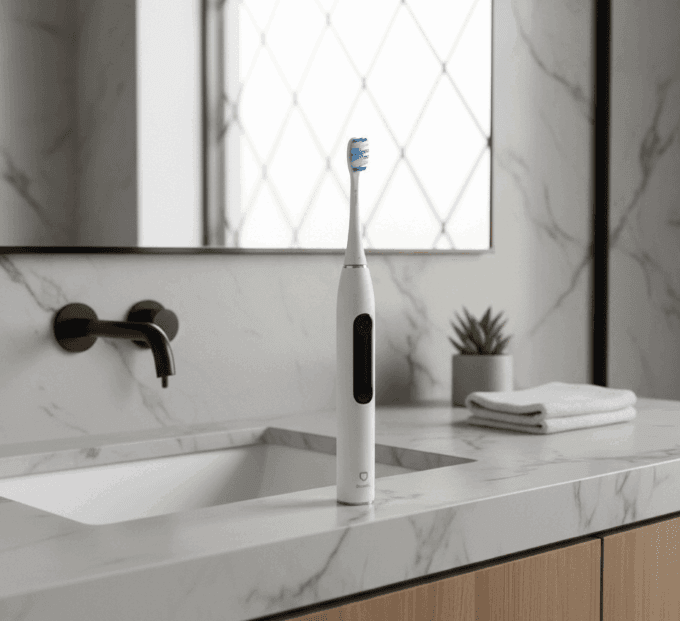
Many of us treat brushing as a mechanical chore—rush it, check it off, and move on. But the act of brushing your teeth is one of the few predictable, screen-free moments in a day filled with digital noise. When done mindfully, it can:
• Signal the start of a new task cycle (morning/evening routine)
• Give your brain a short mental break from multitasking
• Create structured time for stillness and focus
According to behavioral science, micro-routines like brushing can become powerful habit anchors, helping reinforce mental discipline and clarity.
The concept of mindful brushing means staying fully present while brushing—not just with your hands, but with your awareness. This can improve your mental state in several ways:
• Focus Reset: Being intentional about each brushing stroke reduces mental scatter.
• Calming Repetition: The rhythmic, repetitive nature of brushing soothes the nervous system.
• Cognitive Anchor: Brushing marks a clear transition between activities—helpful for task-switching without mental lag.
Even just two minutes of focused brushing can function like a micro-meditation—a stress buffer for your brain.
With BrushO’s AI-powered technology and gamified feedback, brushing becomes a structured and engaging mental routine.
BrushO’s Fully Smart Brushing (FSB) system provides live feedback on pressure, coverage, and duration. Users are naturally more attentive, eliminating “autopilot brushing” and training the mind to stay engaged.
Instead of generic timers, BrushO divides the mouth into 6 zones and 16 surfaces, encouraging users to stay fully focused. You’re constantly aware of which areas are done, which builds attentional control.
By earning $BRUSH tokens for brushing consistently and correctly, users are rewarded for their focus. This not only supports habit formation but also reinforces the brain’s dopamine response to mindful behavior.
The BrushO app visually tracks your brushing streaks and daily scores, reinforcing routine behavior—a key part of cognitive resilience and mental clarity.
You don’t need to overhaul your life to build a mindful brushing routine. Start with small tweaks:
• Leave your phone outside the bathroom
• Focus on the feel and sound of the bristles
• Take 3 deep breaths before starting
• Use smart brushing tools that guide your attention
• Pair brushing with a mental affirmation (e.g., “This is my time to reset”)
Brushing your teeth may seem trivial—but with the right mindset and smart tools, it becomes a mini-meditation, a brain reset, and a mental clarity booster. In a world of constant noise, BrushO offers a two-minute window of peace, discipline, and focus—twice a day, every day.
Jul 30
Jul 30
Jul 29
Jul 22
Jul 19
Jul 17

If you are thirsty after brushing, choose plain water. Plan your usual bedtime drink before brushing and skip the immediate rinse at the sink.

Waterpik recommends warm water for its flossers. Check your own model and use comfortably lukewarm water if cold water feels sharp.

Let an intact handle return to room temperature before you consider charging it. Check your manual and watch for signs of battery or housing damage.

Lift away the paste, check the care label, and use cool water on washable fabric. Here is a quick approach for a fresh spot.

Turn the brush off, then check the fit, the connection, and the condition of the head. A second compatible head can help you narrow it down.

Look for a clean, rigid container with a secure lid and keep it with your belongings. A napkin on a lunch tray is easy to clear away.

Check the care directions for your clear retainer. Clinics give different instructions, and the right cleaning method depends on the appliance you received.

Try a gentle rinse first. If the hull sits between teeth and floss moves freely, make a careful pass and stop if it still feels stuck.

A tight gap or rough edge can catch floss. Notice where it snags, keep the movement gentle, and find out when to ask your dentist to check.

Your first sip can taste sharp after brushing. Here is what may be changing and how to make breakfast taste like breakfast again.

BrushO AI Electric Toothbrush offers real-time brushing guidance, pressure feedback, coverage tracking, and app-based progress reports for a cleaner daily routine.
BrushO AI Electric Toothbrush offers real-time brushing guidance, pressure feedback, coverage tracking, and app-based progress reports for a cleaner daily routine.


Address: RM 1427, 14/F RADIO CITY 505, HENNESSY RD CAUSEWAY BAY, HONG KONG
Code: 000000
Phone: +852-53758652
Email: customerservice@brusho.com