
Jul 30
Jul 30
Jul 29
Jul 22
Jul 19
Jul 17
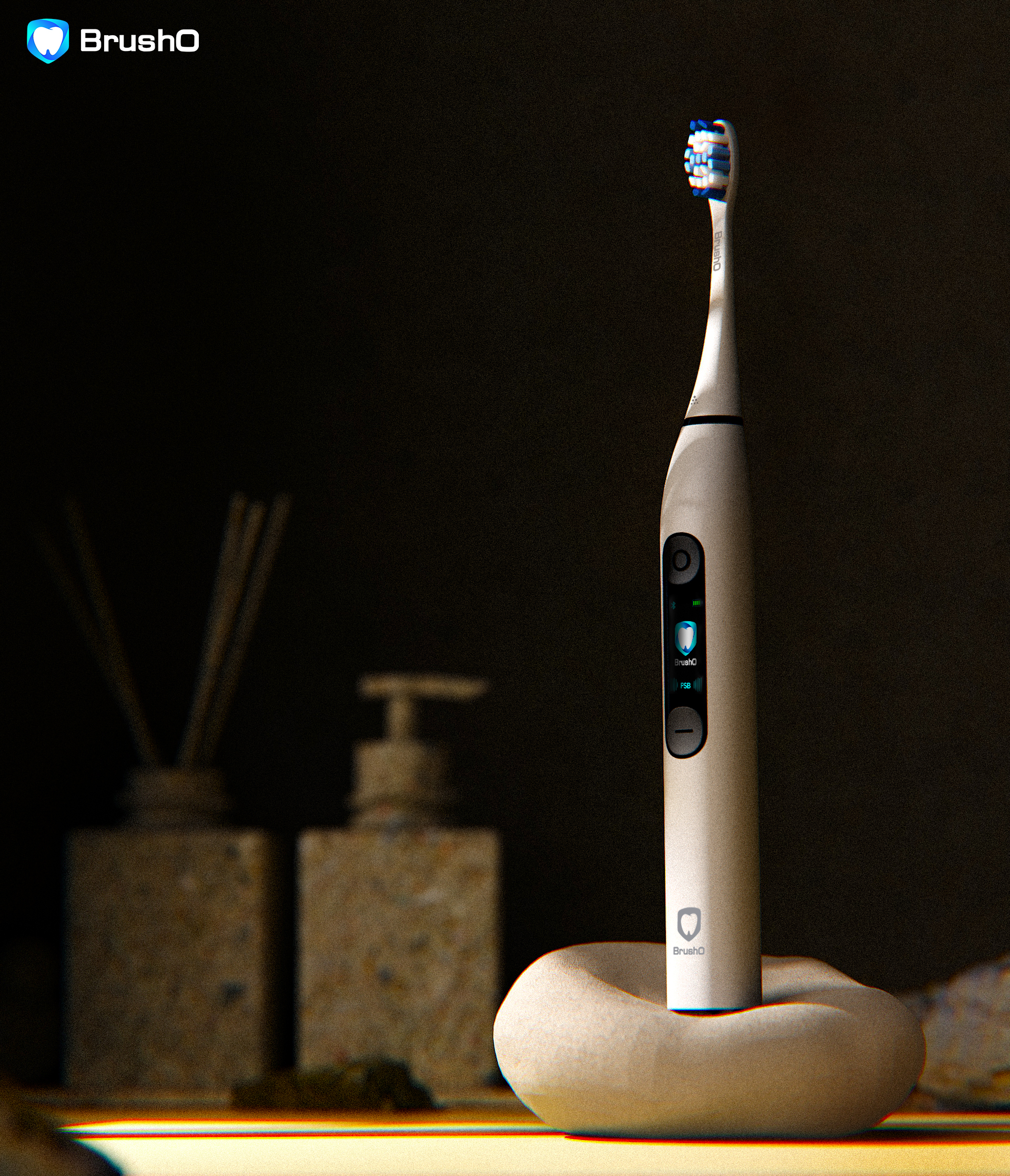
That’s where BrushO, the AI-powered smart toothbrush, comes in. Designed with advanced sensors, real-time feedback, and personalized brushing modes, BrushO helps fix the top oral care mistakes — not with more force, but with more intelligence.
Here are the 5 most common brushing mistakes and how BrushO transforms your routine into a smarter, more effective oral health habit.
Scrubbing vigorously may feel like the best way to clean your teeth, but in reality, brushing too hard wears down enamel and causes gum irritation, leading to sensitivity and even gum recession.
BrushO features a built-in pressure sensor that detects excessive force. When you're brushing too hard, a red light gently alerts you, and the brush automatically reduces its speed to protect your gums and enamel.
The American Dental Association recommends brushing for 2 full minutes, but most people only manage 30–60 seconds. This incomplete cleaning allows plaque to linger in many areas.
With FSB (Fully Smart Brushing) Technology and a smart timer, BrushO guides you zone-by-zone to ensure a thorough 2-minute session.
Each area gets equal attention, minimizing the risk of cavities and uneven cleaning.
We often neglect the molars and back surfaces — where plaque and food debris easily accumulate.
The BrushO app provides AI-powered real-time monitoring, highlighting missed zones after every session. This allows users to adjust and cover all areas effectively.
It also supports early detection of dental issues by promoting a more complete brushing routine.
Using a one-size-fits-all brushing routine doesn’t consider your specific needs — whether you have sensitive gums, braces, or whitening goals.
BrushO offers 11 customizable brushing modes, including sensitive, whitening, gum care, deep clean and so on. With personalized brushing feedback, the device adapts to your unique oral profile, ensuring better results.
Without monitoring, it’s hard to tell whether your brushing is improving — or stagnating. This makes building habits harder.
BrushO syncs with its companion app to provide daily brushing reports, brushing scores, and long-term tracking graphs. You can actually see how your habits evolve and where you can improve.
BrushO is a comprehensive oral care ecosystem designed not only to clean your teeth but to transform brushing into a smart, personalized, data-driven habit. It supports a modern approach to Collaborative Health Management, encouraging users to engage actively in their oral wellness.
And BrushO is built with privacy in mind. Your brushing data is never sold or shared. Soon, our exclusive Oral Health ID platform will give users the option to monetize their own oral health data, allowing your everyday brushing routine to contribute to long-term personal value.
🧠 AI-powered brushing insights
📊 Real-time feedback & performance tracking
🦷 11 smart modes for personalized care
🛡️ Built-in pressure protection
🌍 Waterproof (IPX7) and travel-friendly
🔋 Fast charging, up to 45 days of battery life
🔐 100% privacy-focused platform
Old brushing habits don’t guarantee healthy teeth. By fixing these 5 common oral care mistakes, BrushO makes your brushing smarter, more effective, and completely tailored to your needs.
If you’re ready to upgrade your daily ritual, it’s time to ditch the guesswork and choose BrushO — the best electric toothbrush for smarter smiles.
🔗 Visit: www.brusho.com
📢 Join the Community: t.me/brushocommunity
Jul 29
Jul 25
Jul 30
Jul 30
Jul 29
Jul 22
Jul 19
Jul 17

The uncontrolled hypertension is the condition that the dental practice meets in the patient who presents with the elevated pressure that the guideline does not permit for the elective treatment, and the management of this patient requires the deferral of the dental procedure and the referral to ...

The closure of the extraction space in the orthodontic treatment is the phase that demands the careful selection of the mechanics and the monitoring of the force that the appliance delivers. The sliding mechanics that rely on the continuous archwire and the power chain that connects the brackets ...

The transverse discrepancy of the maxilla is the problem that the crowding and the posterior crossbite often hide, and the maxillary expansion is the treatment that addresses the width of the arch rather than the position of the individual tooth. The clinician who diagnoses the constriction early...

The local anaesthesia is the daily procedure that the modern dentistry treats as the routine, and the complications that follow it range from the transient and the trivial to the permanent and the serious. The clinician who injects by the habit without the anatomy in the mind is the clinician who...

The hypertension is the condition that the dental practice meets in the every day, and the patient who carries the elevated pressure without the symptoms is the patient who presents the risk that the chair-side measurement reveals. The dental team occupies the position that no other profession ho...

The glass-ceramic crown has become the default restoration for the anterior and the many posterior teeth, and the material selection within the family is the decision that determines the strength, the aesthetics, and the longevity of the result. The lithium disilicate, the leucite, and the zircon...

The dental phobia is the extreme form of the dental fear that prevents the patient from attending the treatment that the oral health requires, and the management of the phobia demands the skill that extends beyond the routine behaviour guidance. The systematic desensitization, the exposure therap...

The dental fear of the child is the condition that shapes the attitude for the lifetime, and the clinician who manages the first visits with the skill builds the patient who attends the recall without the dread. The fear that the child develops follows the many sources, and the practice that reco...

The patient with controlled hypertension is the patient who requires the dental care that the oral health demands and the treatment that the blood pressure permits, and the clinician who manages the controlled case safely follows the guideline that the evidence supports. The controlled hypertensi...

The ceramic veneer is the restoration that the aesthetic dentistry depends on, and the bond that retains the veneer on the enamel is the critical link that determines whether the restoration survives the function or fractures and debonds. The clinical technique from the preparation to the cementa...


Address: RM 1427, 14/F RADIO CITY 505, HENNESSY RD CAUSEWAY BAY, HONG KONG
Code: 000000
Phone: +852-53758652
Email: customerservice@brusho.com
