
Jul 30
Jul 30
Jul 29
Jul 22
Jul 19
Jul 17
You might not associate your daily medications with oral health problems—but many common prescriptions can lead to dry mouth, gum swelling, or increased cavity risk. This article breaks down how specific drugs affect your teeth and gums, and how to minimize damage using smart oral care routines like BrushO’s AI-powered toothbrush guidance. Whether you’re on antihistamines, antidepressants, or blood pressure meds, understanding these impacts is crucial to keeping your smile strong.
Many people take daily medications for allergies, heart conditions, mental health, or chronic pain. But what most don’t realize is that several medications can interfere with normal oral functions like saliva production, tissue healing, and gum health. These side effects often go unnoticed until significant damage occurs.
These drugs often cause dry mouth (xerostomia) by reducing saliva flow, which is essential for neutralizing acids and washing away food particles. A dry mouth promotes bacterial growth and raises the risk of cavities and gum disease.
Many SSRIs and tricyclics reduce saliva, alter taste, or cause jaw clenching (bruxism), which wears down enamel and strains jaw muscles over time.
Calcium channel blockers can lead to gum overgrowth (gingival hyperplasia), making it harder to clean between teeth and increasing inflammation.
These treatments can impair your body’s ability to fight off oral infections, leading to mouth sores, gum infections, or bleeding gums.
They may trigger dry mouth and reduce motivation for regular hygiene routines, indirectly leading to plaque buildup and decay.
Be aware of the following symptoms that may suggest your medications are harming your oral health:
• Persistent dry mouth
• Red, swollen, or bleeding gums
• Unexplained bad breath
• Changes in taste
• Mouth sores or ulcers
• Tooth sensitivity or enamel wear
Drink plenty of water throughout the day to combat dry mouth.
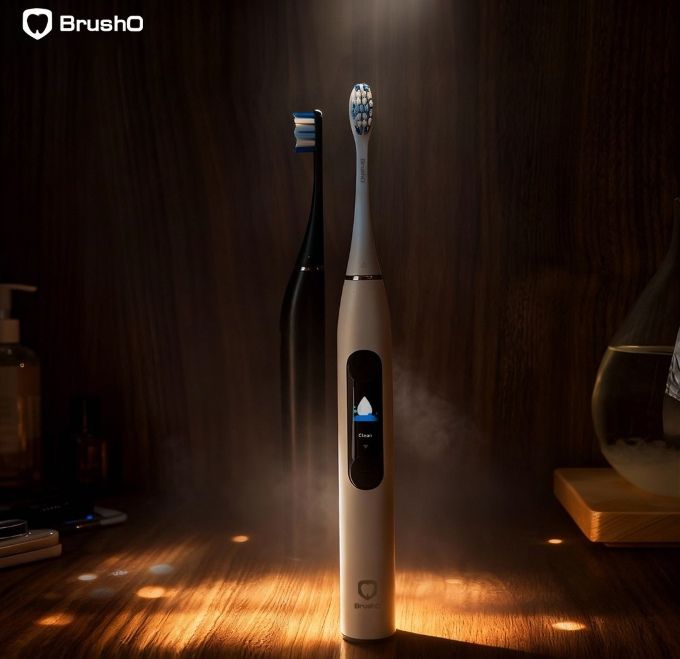
Smart brushing tools help you clean every zone thoroughly—even when gum overgrowth or sensitivity makes brushing harder. BrushO tracks pressure, timing, and coverage for a personalized cleaning experience.
This stimulates saliva production, especially helpful for those with medication-induced dryness.
Harsh rinses can worsen dry mouth symptoms. Choose gentle, pH-balanced formulas.
If oral side effects become severe, ask if alternative medications are available or whether your oral hygiene plan should be adjusted.
Ignoring these effects can lead to:
• Accelerated tooth decay
• Advanced gum disease
• Oral infections
• Reduced ability to eat or speak comfortably
• Complications with dental procedures
By combining medical awareness with smart brushing habits, you can reduce these risks and maintain long-term oral resilience.
Whether you’re managing chronic medication use or just beginning a new prescription, BrushO’s AI-guided technology supports full-mouth coverage, adaptive feedback, and habit tracking. This is especially valuable for patients with dry mouth, gum overgrowth, or difficulty brushing certain areas due to sensitivity or swelling.
Jul 30
Jul 30
Jul 29
Jul 22
Jul 19
Jul 17

Coffee and red wine are two of the most common causes of teeth staining, and the stains they leave behind are often considered a cosmetic nuisance rather than a dental health issue. However, these extrinsic stains can make teeth look dull, yellow or brown, and they can affect a person's confidenc...

Mouth sores and ulcers are common oral health issues that can cause significant discomfort and pain. These lesions can affect eating, speaking, and overall quality of life, and understanding their healing times and treatment options can help patients manage them effectively. From common canker so...

X-ray imaging has been the gold standard for detecting cavities for decades, but laser-based technologies now offer a different approach to finding tooth decay. Laser cavity detection uses fluorescence and laser light to identify changes in tooth structure before they appear on an x-ray, and unde...

Facial furrows are not just a cosmetic concern, they are visible markers of the way skin ages and how it responds to dehydration. Dry skin is one of the most common contributors to early and deepening facial lines, and understanding the underlying causes helps explain why certain areas of the fac...

Grinding or clenching the teeth at night, known as bruxism, is more than a dental issue. The muscles that close the jaw are among the strongest in the body, and their chronic overactivation can trigger headaches, ear pain, facial discomfort and disrupted sleep. The connection between bruxism and ...

Decortication, the deliberate removal of a cortical plate to expose or to decompress the tissue beneath it, appears in oral surgery under several names and in several contexts, from transalveolar extraction of a deeply impacted third molar to alveoloplasty of an irregular ridge and to decompressi...

Lichenoid lesions of the oral mucosa present a diagnostic problem before they present a therapeutic one, because the same white reticulated pattern can represent idiopathic oral lichen planus, a contact reaction to a restoration, a drug eruption, or an entirely benign variation such as leukoedema...

Bone in the adult jaw is never quiescent. Roughly 10 percent of the human skeleton is replaced every year, and the alveolar process turns over faster than most skeletal sites because it is loaded intermittently by mastication and by the forces transmitted through the periodontal ligament. The ost...

Root canal treatment succeeds or fails at the interface between the filling material and the dentin wall, and no material has changed that interface more in the past two decades than the calcium silicate bioceramic sealer. These materials descend from Portland cement, set in the presence of moist...

Ameloblastoma is the most common clinically significant odontogenic tumor, and its behaviour is defined less by its ability to spread than by its tendency to return after apparently complete removal. Conservative surgery preserves function and facial contour, and decortication is the procedure mo...


Address: RM 1427, 14/F RADIO CITY 505, HENNESSY RD CAUSEWAY BAY, HONG KONG
Code: 000000
Phone: +852-53758652
Email: customerservice@brusho.com
