
Jul 30
Jul 30
Jul 29
Jul 22
Jul 19
Jul 17
Teenagers often seem too young to worry about serious oral health problems—but when it comes to gum disease, they are one of the most vulnerable groups. From hormonal changes during puberty to poor brushing techniques and increased sugar consumption, several factors make teenagers more susceptible to gum inflammation, bleeding, and long-term gum damage. This article explores the common causes of gum issues in teens, warning signs to watch for, and practical solutions to prevent and reverse early gum problems. We’ll also show how using an AI-powered smart toothbrush like BrushO can help teens build healthier oral habits, catch problem areas early, and protect their gums through the most important years of dental development.
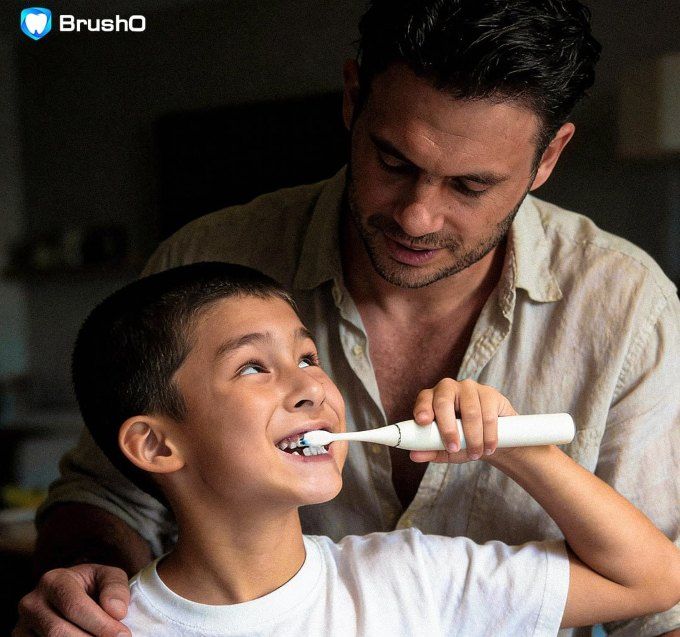
As teenagers go through puberty, hormonal fluctuations—especially increased levels of estrogen and testosterone—can heighten the body’s inflammatory response. This makes gums more sensitive to plaque and bacteria, increasing the likelihood of gingivitis, even with small amounts of buildup.
Many teens develop brushing and flossing routines that are rushed or inconsistent. They may neglect proper technique, skip brushing after snacks or meals, or avoid flossing altogether—allowing plaque to settle and cause gum irritation.
Teens often consume a diet rich in soft drinks, candy, processed snacks, and acidic beverages—all of which feed harmful bacteria and increase gum inflammation. Combined with poor brushing, this creates a perfect environment for early gum disease to develop.
Braces and other orthodontic devices make it harder to clean around teeth and gums effectively. Food particles and plaque can easily accumulate in areas that are hard to reach, leading to gum irritation and swelling.
• Red or swollen gums
• Bleeding while brushing or flossing
• Bad breath that doesn’t go away
• Receding gumline or longer-looking teeth
• Increased tooth sensitivity
Catching these signs early is crucial for preventing long-term damage.
Teens should brush at least twice a day for two full minutes, using gentle circular motions and a 45-degree angle to the gumline. They should also floss once daily and avoid brushing too hard.
Encourage healthier snack options like apples, carrots, and plain yogurt, and limit sugary drinks. Drinking water after meals can help reduce acid buildup.
Routine checkups help identify early gum issues, especially when teens wear braces or retainers. Professional cleanings remove plaque from hard-to-reach areas.
BrushO is an AI-powered smart toothbrush that makes it easier for teens to develop and maintain good oral care habits.
• Zone-by-Zone Guidance: Teaches teens to brush every area thoroughly, not just the front teeth.
• Real-Time Pressure Alerts: Prevents overbrushing, which can cause gum recession.
• Daily Feedback Reports: Shows missed zones, average brushing time, and consistency.
• Brush & Earn Rewards: Motivates teens by turning brushing into a gamified habit that earns $BRUSH tokens.
Smart brushing isn’t just about technology—it’s about creating lasting habits that will protect teeth and gums for life.
Gum disease isn’t just a problem for adults. Teenagers face unique risks due to hormones, diet, and brushing habits—but with proper education, better tools, and smart guidance, these risks can be dramatically reduced. By combining consistent oral hygiene with the intelligent feedback of BrushO, teens can maintain healthy gums well into adulthood.
Dec 31
Dec 31
Jul 30
Jul 30
Jul 29
Jul 22
Jul 19
Jul 17

<p class="lead">For decades, the only response to a carious lesion was to drill and fill it, removing tooth structure to place a restoration. Resin infiltration offers a different philosophy: instead of removing the lesion, it stops the lesion from progressing by sealing it from within. This mini...

<p class="lead">When a primary tooth is severely decayed or damaged, a simple filling is often not enough to restore its function and keep it healthy until it exfoliates naturally. Preformed crowns provide a durable, full-coverage restoration that protects the tooth and maintains space in the arc...

<p class="lead">After months or years of active orthodontic treatment, the teeth are aligned, the bite is corrected, and the braces come off. Yet the treatment is not finished: without retention, the teeth will drift back toward their original positions. Relapse is a natural consequence of the el...

<p class="lead">Primary herpetic gingivostomatitis is the first infection of the mouth with the herpes simplex virus, and it is one of the most painful conditions a child can experience. Affected children develop fever, widespread oral ulcers, and swollen gums, and they may refuse to eat or drink...

<p class="lead">When a tooth with an apical infection fails to heal after root canal treatment, the endodontist has a limited number of options: retreat the tooth, extract it, or perform periradicular surgery. Apicoectomy, the surgical removal of the root tip and the infected tissue around it, of...

<p class="lead">Osteoradionecrosis of the jaws is one of the most feared complications of radiotherapy for head and neck cancer. It presents as exposed, non-healing bone within the radiation field, causing pain, infection, and fistula formation, and it can severely impair the patient's quality of...

<p class="lead">Mucocele and ranula are the two most common benign lesions of the minor and sublingual salivary glands. Both arise from the obstruction or rupture of a salivary duct, producing a fluid-filled swelling that is usually painless but cosmetically and functionally troublesome. This art...

<p class="lead">Injury to the inferior alveolar or lingual nerve is among the most feared complications in dentistry, producing numbness, tingling, or altered sensation in the lip, chin, and tongue that can persist for months or years. Although rare, these injuries cause significant distress and ...

<p class="lead">The success of a composite restoration depends less on the resin itself than on the quality of the bond between the material and the tooth. Modern adhesive systems have transformed restorative dentistry by making micromechanical attachment to enamel and dentine predictable and dur...

<p class="lead">Bitewing radiographs are the single most valuable imaging tool for the detection of caries, particularly the interproximal lesions that are invisible to the naked eye and frequently missed on clinical examination alone. Yet their use must be balanced against radiation exposure and...

Bàn chải điện BrushO AI cung cấp hướng dẫn chải răng theo thời gian thực, phản hồi lực nhấn, theo dõi vùng chải và báo cáo tiến độ trong ứng dụng cho thói quen hằng ngày sạch hơn.
Bàn chải điện BrushO AI cung cấp hướng dẫn chải răng theo thời gian thực, phản hồi lực nhấn, theo dõi vùng chải và báo cáo tiến độ trong ứng dụng cho thói quen hằng ngày sạch hơn.


Address: RM 1427, 14/F RADIO CITY 505, HENNESSY RD CAUSEWAY BAY, HONG KONG
Code: 000000
Phone: +852-53758652
Email: customerservice@brusho.com