
Jul 30
Jul 30
Jul 29
Jul 22
Jul 19
Jul 17
Good oral hygiene isn’t just for adults—children need strong brushing habits as early as infancy. In fact, many long-term dental issues in adulthood have their roots in childhood neglect. Starting proper dental care early helps prevent cavities, establishes routines, and fosters a positive attitude toward oral health. More importantly, early habits shape lifelong behavior. As smart technologies like BrushO empower parents and children alike with gamified brushing, real-time guidance, and progress tracking, oral care becomes not only more effective—but also more enjoyable. Here’s why every child’s smile depends on starting early.
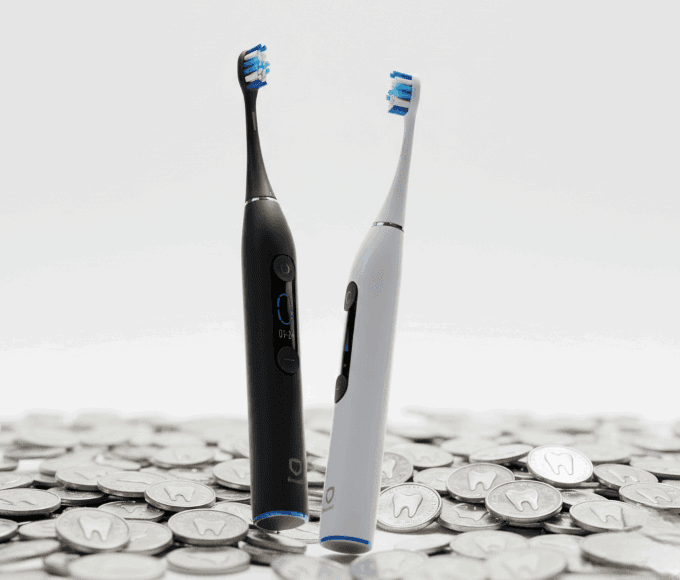
Although baby teeth eventually fall out, they serve critical roles:
• Holding space for permanent teeth
• Helping with chewing and speech
• Supporting jaw and facial development
Their enamel is thinner and softer, making them more susceptible to tooth decay. According to the CDC, 1 in 5 children aged 5–11 has at least one untreated decayed tooth.
• Early tooth loss and misalignment
• Pain, infection, and difficulty eating
• Speech delays and self-esteem issues
Oral care is as much about behavior as biology. Teaching children how—and why—to brush helps them:
• Develop motor skills through daily brushing
• Build a positive association with cleanliness and self-care
• Understand consequences of neglect (e.g. cavities, dentist visits)
Children who learn to brush and floss consistently are more likely to maintain these habits into adulthood—resulting in better lifelong oral health and reduced dental costs.
Many adults suffer from gingivitis and gum disease that starts in youth due to poor brushing around the gumline. The earlier a child learns to brush gently but thoroughly, the more likely they are to protect their gingival tissue and prevent inflammation long-term. BrushO’s AI-powered toothbrush guides children through the 6 brushing zones and 16 surfaces, ensuring they learn the full-mouth approach—not just a few front teeth.
Many dental fears in adulthood stem from painful or negative childhood experiences. Establishing a positive relationship with oral care at home helps reduce anxiety about dental checkups. When children feel empowered and confident, dental visits become part of normal life—not a dreaded event. Smart toothbrushes like BrushO add fun and feedback, gamifying brushing to reduce resistance and improve engagement.
Even in children, oral infections can affect systemic health. Untreated cavities or gum inflammation can:
• Spread to other organs via the bloodstream
• Affect growth, nutrition, and concentration
• Increase risk of chronic inflammation and even diabetes later
Good oral hygiene is a foundational pillar of pediatric health.
Studies show that parental involvement is crucial until at least age 7–8. However, many parents:
• Don’t know the correct brushing technique for kids
• Aren’t consistent with supervising
• Lack tools to monitor progress
BrushO’s smart brushing reports, gentle pressure sensors, and child-focused feedback help parents stay informed, and kids stay motivated—without nagging.
BrushO is more than a toothbrush—it’s a smart oral coach:
• Personalized feedback on brushing coverage and pressure
• Rewards system to build healthy daily streaks
• Parental dashboard to monitor brushing sessions in real-time
• Soft, kid-friendly brush heads and ergonomic design
• Bluetooth syncing for engaging brushing routines
By combining fun with science, BrushO helps kids grow up with not only cleaner teeth, but confidence, consistency, and control over their oral care.
Oral health habits formed in early childhood don’t just protect baby teeth—they shape a lifetime of healthier smiles. Parents who invest in their children’s oral care early are setting them up for success across health, confidence, and quality of life. Start brushing right, start brushing early—with BrushO.
Jul 30
Jul 30
Jul 29
Jul 22
Jul 19
Jul 17

Teledentistry—the use of information and communication technologies to deliver dental care, consultation, education, and public health services across geographic distances—has undergone an unprecedented transformation in recent years. While the concept dates to the 1990s, the COVID-19 pandemic catal

The field of endodontics has undergone a paradigm shift over the past two decades. Traditional root canal therapy, while effective at eliminating infection and preserving teeth, ultimately results in a non-vital tooth that is more brittle and susceptible to fracture. Regenerative endodontics offers

The human oral cavity harbors one of the most diverse and dynamic microbial communities in the body, second only to the gut in complexity. Advances in culture-independent molecular techniques—particularly 16S rRNA gene sequencing and shotgun metagenomics—have transformed our understanding of the ora

Medication-related osteonecrosis of the jaw (MRONJ) is a serious adverse event characterized by exposed necrotic bone in the maxillofacial region that persists for more than eight weeks in patients with current or previous antiresorptive or antiangiogenic therapy and no history of head and neck radi

The dental patient population is aging, and the prevalence of chronic medical conditions continues to rise. The World Health Organization projects that by 2050, the proportion of the global population over 60 years will double from 12% to 22%, with a corresponding increase in the burden of multimorb

Saliva has emerged as a powerful diagnostic fluid that reflects the physiological and pathological state of the body. As an ultrafiltrate of blood, saliva contains a complex mixture of proteins, nucleic acids, metabolites, and microorganisms that originate from multiple sources: salivary glands, gin

Peri-implantitis has emerged as one of the most significant complications in implant dentistry, affecting an estimated 20% of patients and 10% of implants at the patient and implant levels respectively. As the global population of dental implants grows, the burden of peri-implant disease is expandin

Molar Incisor Hypomineralization (MIH) is a qualitative developmental enamel defect affecting one to four first permanent molars, frequently with concurrent involvement of permanent incisors. First described systematically by Weerheijm and colleagues in 2001, MIH has since been recognized as a globa

Digital Smile Design (DSD) has revolutionized aesthetic dentistry by providing a systematic, communication-centered approach to treatment planning. Developed by Dr. Christian Coachman in 2007, DSD integrates facial and dental analysis, intraoral and extraoral digital data, and interdisciplinary coll

Additive manufacturing, commonly known as 3D printing, has transformed dentistry over the past decade from a niche prototyping tool into an integral component of digital workflows. The technology enables the fabrication of surgical guides, dental models, temporary and permanent restorations, denture

Bàn chải điện BrushO AI cung cấp hướng dẫn chải răng theo thời gian thực, phản hồi lực nhấn, theo dõi vùng chải và báo cáo tiến độ trong ứng dụng cho thói quen hằng ngày sạch hơn.
Bàn chải điện BrushO AI cung cấp hướng dẫn chải răng theo thời gian thực, phản hồi lực nhấn, theo dõi vùng chải và báo cáo tiến độ trong ứng dụng cho thói quen hằng ngày sạch hơn.


Address: RM 1427, 14/F RADIO CITY 505, HENNESSY RD CAUSEWAY BAY, HONG KONG
Code: 000000
Phone: +852-53758652
Email: customerservice@brusho.com