
Jul 30
Jul 30
Jul 29
Jul 22
Jul 19
Jul 17
Most people brush their teeth without feedback, relying on routine rather than precision. But what if your toothbrush could guide you like a personal coach? This article explores the hidden benefits of brushing with smart sensors—from protecting enamel to improving coverage—and how they’re transforming oral care from guesswork to guided success. In the world of modern oral care, brushing with an electric toothbrush is no longer a novelty—but brushing with sensors is a game changer. AI-powered smart toothbrushes equipped with sensors provide data-driven insights into your technique, habits, and pressure, elevating brushing from a daily task to a personalized health practice. Let’s explore the science and benefits behind these sensors—and why they might be your mouth’s best defense.
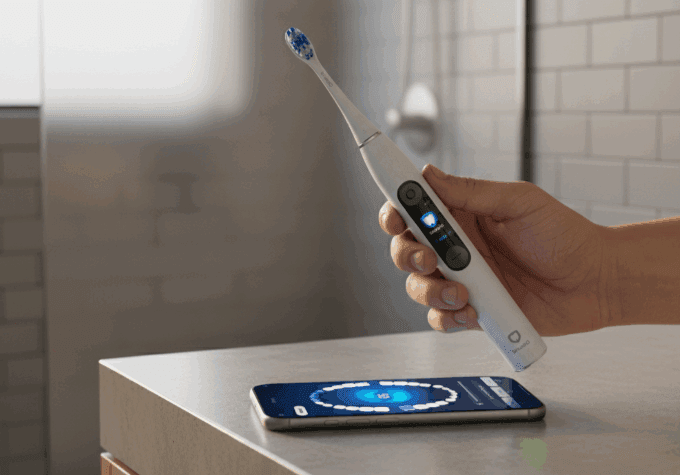
Traditional brushing relies on an assumption. Most users don’t know:
• If they’re brushing too hard,
• If they’re missing areas,
• Or if they’re consistent enough.
Smart sensors fill in these blind spots with precision. Here’s what they track:
• Pressure Sensors: Warn if you’re brushing too hard (which can lead to gum recession) or too soft (leaving plaque behind).
• Position Tracking: Detects which areas of your mouth you’re covering—and which zones you consistently neglect.
• Timing Sensors: Ensures you brush long enough in each zone and don’t rush the process.
• Motion Detection: Analyzes your brushing style, helping you adjust for optimal angles and movement.
Sensor-equipped toothbrushes don’t just improve your technique—they actively protect your mouth in ways you may not notice:
Over-brushing or applying too much pressure wears away protective enamel. Pressure sensors alert you in real time, helping you adjust before long-term damage occurs.
By encouraging even pressure and full-mouth coverage, smart brushing reduces the risk of gum inflammation and bleeding caused by neglect or abrasion.
Uneven brushing is a top reason plaque builds up in certain areas. Sensors help eliminate this by ensuring no zone goes untouched.
With AI tracking brushing patterns, you may spot risky trends before they lead to issues—like increased sensitivity or recession in one area.
BrushO isn’t just an electric toothbrush—it’s a fully smart oral care system built around sensor-driven feedback and habit formation. Features include:
• 6-Zone, 16-Surface Coverage Tracking: Ensures every surface gets proper attention.
• Pressure Alerts: Adjusts brushing strength in real time.
• Brushing Reports: Gives you a daily score, brushing heatmap, and improvement tips.
• Customized Modes: Tailor brushing based on your goals—whitening, sensitivity, deep clean.
• Habit Tracking & Rewards: Earn $BRUSH tokens for brushing consistently and correctly.
With BrushO, you’re not brushing blindly—you’re brushing with intention and insight.
Smart sensors aren’t just a flashy upgrade—they’re the future of preventive dental care. By giving you feedback that was once only available in a dental chair, sensor-powered brushing:
• Builds better habits,
• Prevents damage before it starts,
• And makes brushing more effective and engaging.
Brushing with sensors offers more than convenience—it offers control, clarity, and coaching. From preventing enamel wear to tracking your technique, smart toothbrushes like BrushO help turn everyday routines into smart wellness rituals. It’s not just about brushing more—it’s about brushing better.
Jul 30
Jul 30
Jul 29
Jul 22
Jul 19
Jul 17

PPM describes concentration, not the amount to put on the brush. Learn how to read fluoride information while keeping regional guidance and individual advice in view.

That forgotten tube deserves a label check. Learn what toothpaste shelf-life information refers to, why storage matters, and how to avoid guessing from appearance.

Clear gel or opaque paste? Texture is only one feature. Learn which label details matter when comparing toothpastes for your brushing routine.

Minty toothpaste can create a cooling sensation without being chilled. Explore what menthol does and why a fresh feeling is different from complete cleaning.

The sound of a powered brush comes with its moving mechanism. Learn how normal operating noise differs from alerts or an unexpected change that needs checking.

Toothpaste on the mirror? Check when you switch the brush on and off, how you position it, and how to pause without rushing your routine.

A whitening brushing program and a bleaching treatment are different things. Learn how to interpret mode names, surface-stain claims, and realistic expectations.

A tiny cluster of bristles serves a different purpose from a full-size head. Learn where a single-tuft brush may fit into an individually recommended cleaning routine.

Angled tufts, different bristle heights, and the angle of your hand are separate design questions. Learn how to read a toothbrush-head description clearly.

A larger head is not an automatic shortcut to cleaner teeth. Learn how head size affects access, positioning, and the fit of your daily brushing routine.

Bàn chải điện BrushO AI cung cấp hướng dẫn chải răng theo thời gian thực, phản hồi lực nhấn, theo dõi vùng chải và báo cáo tiến độ trong ứng dụng cho thói quen hằng ngày sạch hơn.
Bàn chải điện BrushO AI cung cấp hướng dẫn chải răng theo thời gian thực, phản hồi lực nhấn, theo dõi vùng chải và báo cáo tiến độ trong ứng dụng cho thói quen hằng ngày sạch hơn.


Address: RM 1427, 14/F RADIO CITY 505, HENNESSY RD CAUSEWAY BAY, HONG KONG
Code: 000000
Phone: +852-53758652
Email: customerservice@brusho.com