
Jul 30
Jul 30
Jul 29
Jul 22
Jul 19
Jul 17
How to charge an electric toothbrush correctly is a question many people overlook. Most users simply plug in their toothbrush whenever the battery runs low, but few realize that charging habits affect not only convenience but also the lifespan of the battery itself. In this article, we’ll cover the do’s and don’ts of charging, common mistakes to avoid, and why BrushO’s fast-charge and long-battery design make it easier to maintain healthy habits without hassle.
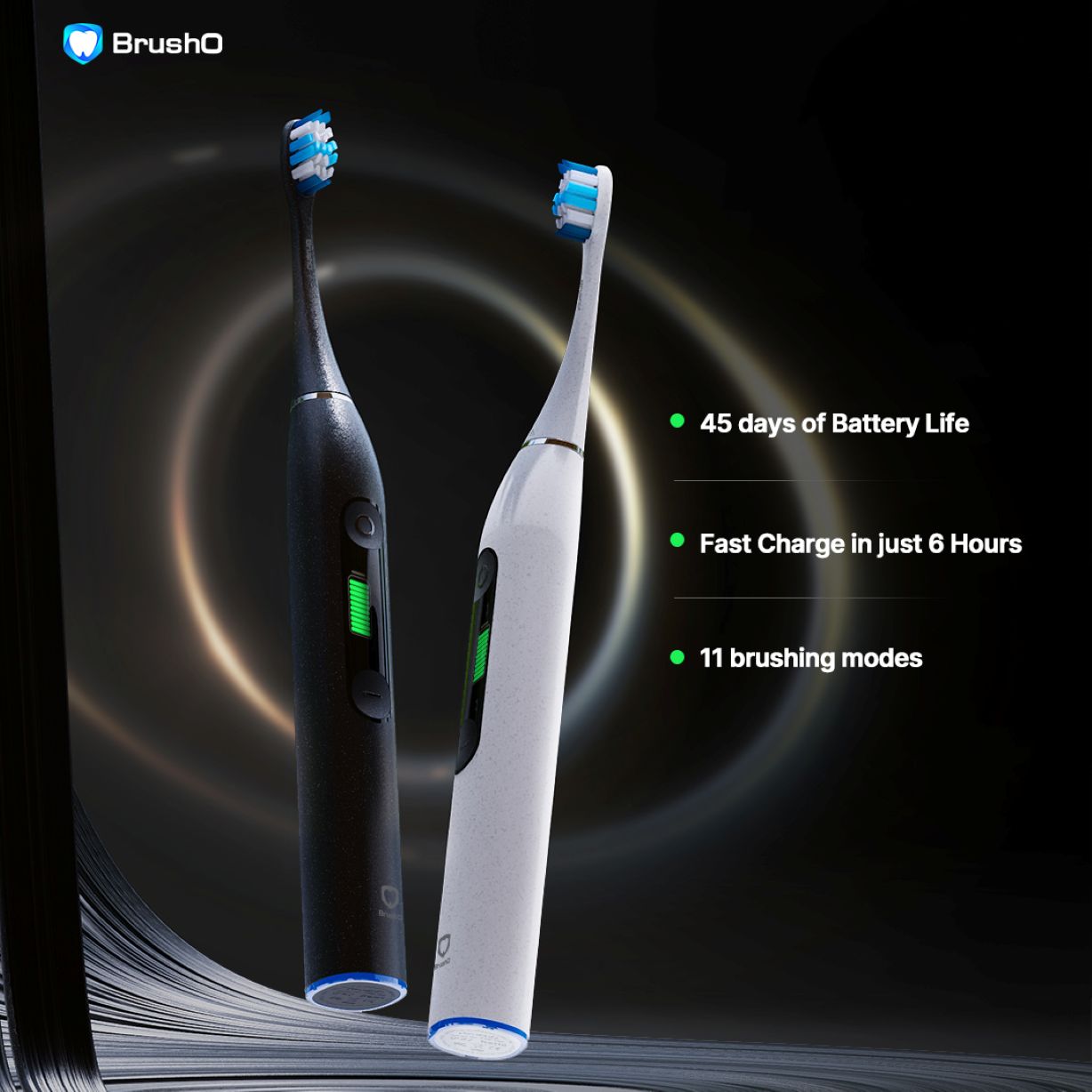
Your toothbrush’s battery is the heart of the device. Charging it properly can:
Correct charging isn’t just about “keeping it alive”—it’s about maximizing performance.
1. Leaving It on the Charger All the Time ⚠️
Some users keep their toothbrush constantly charging. Over time, this can stress the battery and reduce capacity.
2. Charging Only When the Toothbrush Dies ❌
Running the battery down completely before charging can shorten its life.
3. Using the Wrong Charger 🔌
A mismatched charger may not deliver the correct power output, causing slow charging or damage.
4. Charging in Damp Conditions 💦
Bathrooms are humid environments. Always ensure the base and toothbrush are dry before charging to protect the internal circuits.
The BrushO AI-Powered Toothbrush is designed to eliminate charging stress:
For users, this means one simple routine: charge occasionally, brush daily, and never worry about running out of power unexpectedly.
1. For Travelers ✈️
Charge your BrushO before a trip and leave the charger at home—45 days of power covers most vacations.
2. For Families 👨👩👧👦
Stagger charging days to avoid everyone trying to use the same outlet. BrushO’s long standby makes this easy.
3. For Busy Professionals 🏙️
Set a reminder to charge once a month—no weekly charging to interrupt your routine.
So, how do you charge an electric toothbrush correctly? Avoid overcharging, don’t wait for the battery to fully die, and always use the right charger in a dry place. While many toothbrushes make this process a hassle, the BrushO AI-Powered Toothbrush simplifies everything with its 6-hour charge, 45-day standby, and smart charging base.
🦷 With BrushO, you’ll spend less time charging—and more time enjoying a confident, healthy smile.
📱 Learn more: brusho.com
Jul 30
Jul 30
Jul 29
Jul 22
Jul 19
Jul 17

PPM describes concentration, not the amount to put on the brush. Learn how to read fluoride information while keeping regional guidance and individual advice in view.

That forgotten tube deserves a label check. Learn what toothpaste shelf-life information refers to, why storage matters, and how to avoid guessing from appearance.

Clear gel or opaque paste? Texture is only one feature. Learn which label details matter when comparing toothpastes for your brushing routine.

Minty toothpaste can create a cooling sensation without being chilled. Explore what menthol does and why a fresh feeling is different from complete cleaning.

The sound of a powered brush comes with its moving mechanism. Learn how normal operating noise differs from alerts or an unexpected change that needs checking.

Toothpaste on the mirror? Check when you switch the brush on and off, how you position it, and how to pause without rushing your routine.

A whitening brushing program and a bleaching treatment are different things. Learn how to interpret mode names, surface-stain claims, and realistic expectations.

A tiny cluster of bristles serves a different purpose from a full-size head. Learn where a single-tuft brush may fit into an individually recommended cleaning routine.

Angled tufts, different bristle heights, and the angle of your hand are separate design questions. Learn how to read a toothbrush-head description clearly.

A larger head is not an automatic shortcut to cleaner teeth. Learn how head size affects access, positioning, and the fit of your daily brushing routine.

Bàn chải điện BrushO AI cung cấp hướng dẫn chải răng theo thời gian thực, phản hồi lực nhấn, theo dõi vùng chải và báo cáo tiến độ trong ứng dụng cho thói quen hằng ngày sạch hơn.
Bàn chải điện BrushO AI cung cấp hướng dẫn chải răng theo thời gian thực, phản hồi lực nhấn, theo dõi vùng chải và báo cáo tiến độ trong ứng dụng cho thói quen hằng ngày sạch hơn.


Address: RM 1427, 14/F RADIO CITY 505, HENNESSY RD CAUSEWAY BAY, HONG KONG
Code: 000000
Phone: +852-53758652
Email: customerservice@brusho.com