
Jul 30
Jul 30
Jul 29
Jul 22
Jul 19
Jul 17
Hydration is essential for overall health and plays a critical role in maintaining saliva production, which protects teeth and gums from bacterial damage. However, excessive fluid intake — particularly rapid or continuous overhydration — may alter saliva composition and buffering capacity. While rare, this imbalance can reduce the protective effectiveness of saliva against acid exposure and microbial growth. Understanding how hydration levels interact with oral defense mechanisms helps individuals maintain balanced oral health habits. This article explores the physiology of saliva protection, the potential effects of overhydration, and how modern oral care technologies support optimal dental resilience.
Saliva is one of the mouth’s most important defense systems. It performs multiple biological functions:
• Neutralizes acids produced by bacteria
• Remineralizes enamel using calcium and phosphate
• Washes away food debris and microbes
• Maintains oral microbiome balance
• Lubricates tissues to prevent irritation
Proper saliva concentration — not just volume — determines its effectiveness. The protective components rely on mineral density, enzymes, and antimicrobial peptides.
Overhydration occurs when fluid intake significantly exceeds physiological needs. In extreme cases, it can dilute the electrolyte systemically, but even mild overconsumption may influence oral chemistry.
Possible oral effects include:
• Temporary reduction in saliva mineral concentration
• Dilution of buffering compounds
• Faster clearance of protective enzymes
• Reduced viscosity affecting surface coating
This does not typically cause harm in healthy individuals, but it highlights that optimal hydration is about balance rather than excess.
More saliva does not always equal better protection.
Protective saliva depends on:
• Electrolyte concentration
• Antimicrobial protein levels
• pH buffering capability
• Mineral saturation
Rapid fluid intake can momentarily alter these factors, especially when combined with:
• Low nutrient intake
• High sweating rates
• Excess caffeine or alcohol
• Certain medications
Balanced hydration supports optimal composition, while extremes may reduce protective efficiency.
Saliva helps regulate microbial ecosystems. Dilution effects may influence:
• Bacterial adhesion patterns
• Biofilm development
• pH stabilization
• Nutrient availability
Maintaining stable oral hygiene habits — especially effective plaque removal — remains far more impactful than hydration fluctuations alone. This underscores why mechanical cleaning plays the primary preventive role.
Dentally supportive hydration habits include:
• Drinking steadily throughout the day
• Avoiding rapid excessive fluid intake
• Consuming mineral-balanced nutrition
• Monitoring caffeine-related dehydration cycles
• Supporting saliva with consistent oral care
Water supports oral health — but balance optimizes protection.
Even with ideal hydration, plaque control determines bacterial load.
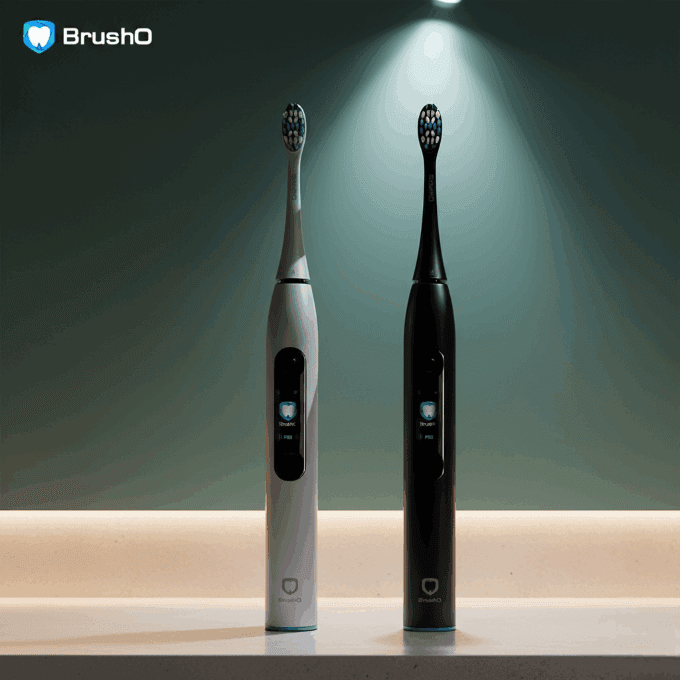
AI-powered brushing tools like BrushO enhance oral defense by:
• Ensuring complete surface cleaning
• Reducing bacterial reservoirs
• Monitoring coverage and pressure
• Reinforcing daily hygiene consistency
• Supporting microbiome stability through habit tracking
By minimizing plaque accumulation, smart brushing works synergistically with saliva’s natural protective mechanisms.
Saliva is a complex biological shield that protects teeth through mineral delivery, microbial regulation, and acid buffering. While hydration is essential for maintaining saliva production, excessive fluid intake may temporarily dilute protective components and reduce functional efficiency. However, hydration extremes rarely outweigh the impact of brushing technique, consistency, and plaque removal. The most effective strategy combines balanced fluid intake with precision oral care supported by intelligent tools like BrushO. When hydration, hygiene, and habit formation align, oral defenses remain resilient and sustainable.
Feb 12
Feb 11
Jul 30
Jul 30
Jul 29
Jul 22
Jul 19
Jul 17

If you are thirsty after brushing, choose plain water. Plan your usual bedtime drink before brushing and skip the immediate rinse at the sink.

Waterpik recommends warm water for its flossers. Check your own model and use comfortably lukewarm water if cold water feels sharp.

Let an intact handle return to room temperature before you consider charging it. Check your manual and watch for signs of battery or housing damage.

Lift away the paste, check the care label, and use cool water on washable fabric. Here is a quick approach for a fresh spot.

Turn the brush off, then check the fit, the connection, and the condition of the head. A second compatible head can help you narrow it down.

Look for a clean, rigid container with a secure lid and keep it with your belongings. A napkin on a lunch tray is easy to clear away.

Check the care directions for your clear retainer. Clinics give different instructions, and the right cleaning method depends on the appliance you received.

Try a gentle rinse first. If the hull sits between teeth and floss moves freely, make a careful pass and stop if it still feels stuck.

A tight gap or rough edge can catch floss. Notice where it snags, keep the movement gentle, and find out when to ask your dentist to check.

Your first sip can taste sharp after brushing. Here is what may be changing and how to make breakfast taste like breakfast again.

Bàn chải điện BrushO AI cung cấp hướng dẫn chải răng theo thời gian thực, phản hồi lực nhấn, theo dõi vùng chải và báo cáo tiến độ trong ứng dụng cho thói quen hằng ngày sạch hơn.
Bàn chải điện BrushO AI cung cấp hướng dẫn chải răng theo thời gian thực, phản hồi lực nhấn, theo dõi vùng chải và báo cáo tiến độ trong ứng dụng cho thói quen hằng ngày sạch hơn.


Address: RM 1427, 14/F RADIO CITY 505, HENNESSY RD CAUSEWAY BAY, HONG KONG
Code: 000000
Phone: +852-53758652
Email: customerservice@brusho.com