
Jul 30
Jul 30
Jul 29
Jul 22
Jul 19
Jul 17
BrushO at DePIN Expo 2025 marked a milestone for the brand, showcasing how an everyday tool like a toothbrush can become part of a decentralized, AI-powered ecosystem. At the event, held in Hong Kong’s Cyberport, BrushO’s Marketing Director introduced the vision of “brush-to-earn” and highlighted the brand’s role in merging health, data ownership, and community-driven innovation. This article shares the highlights of BrushO’s participation, the key moments from the presentation, and why this expo is pivotal for both oral care and Web3 integration.
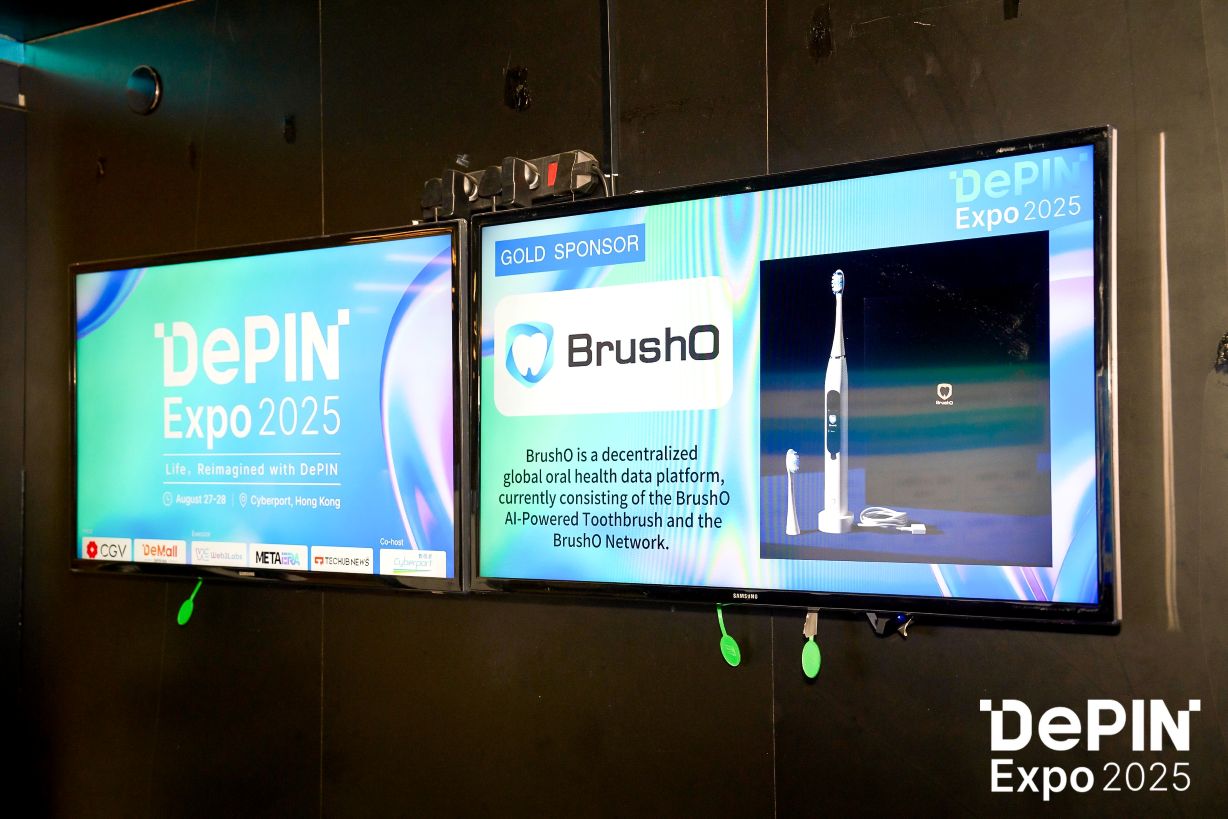
Walking into the Cyberport venue, framed by bright banners reading “Life, Reimagined with DePIN,” BrushO stood out—not just as an exhibitor, but as a story unfolding. The brand, labeled a Gold Sponsor of the event, was here to redefine what a toothbrush can be.
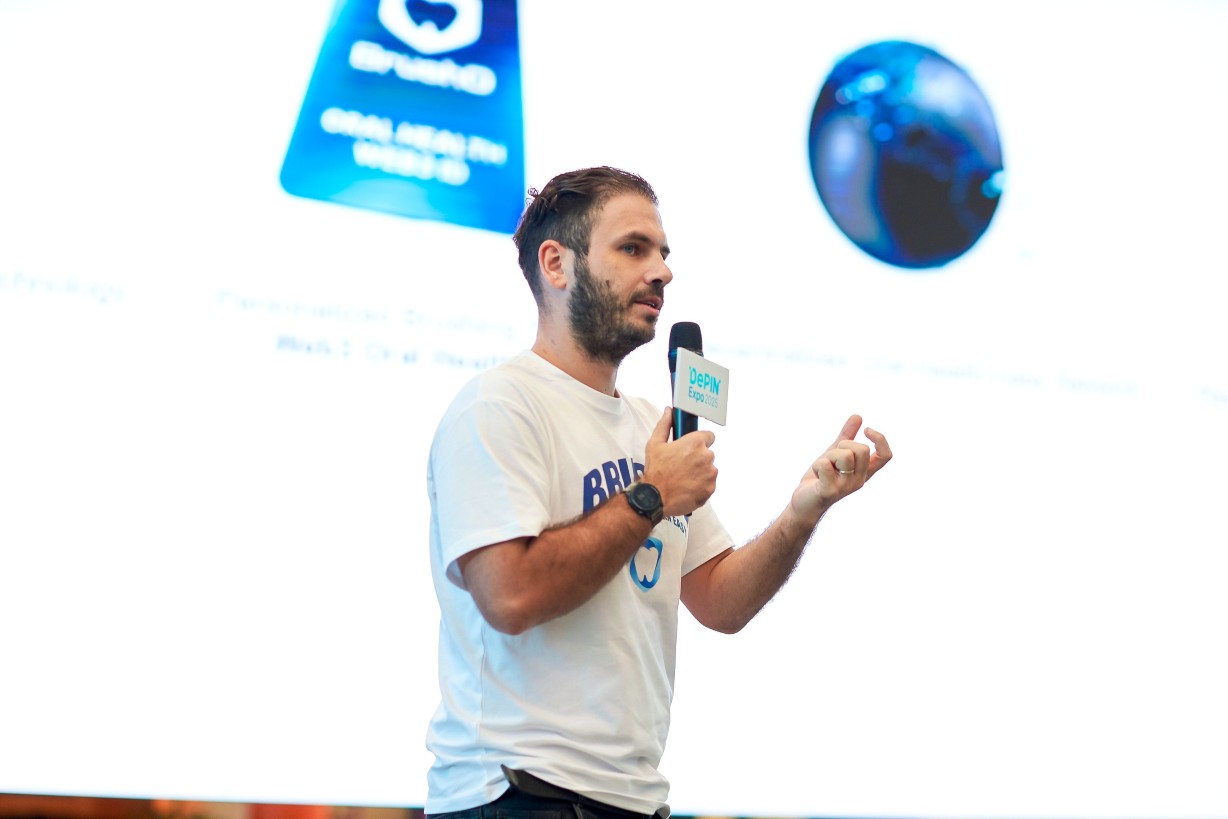
On Day 2, the BrushO Marketing Director, Ricardo, took the stage to unpack this transformation. He spoke about smart brushing as a gateway to decentralized health—where every brush stroke becomes data, every habit contributes to a wider well-being ecosystem, and most intriguingly, users can “brush-to-earn” through DePIN-enabled incentives
Point Why It Matters
DePIN Ecosystem Positioned BrushO within a cutting-edge Web3 infrastructure movement
Brand Credibility Standing as a Gold Sponsor signaled serious commitment to staying ahead
Thought Leadership The speech elevated the brand from gadget-maker to ecosystem innovator
Community Building Networking at side events built trust and engagement with tech and health fans
BrushO’s appearance at DePIN Expo 2025 wasn’t a simple product showcase. It was the unveiling of a vision—where your daily health routine connects to decentralized networks, personal data ownership, and community-driven innovation. As Ricardo said, this is not just brushing; it’s building a healthier, more connected future.
👉 BrushO
Jul 30
Jul 30
Jul 29
Jul 22
Jul 19
Jul 17

The uncontrolled hypertension is the condition that the dental practice meets in the patient who presents with the elevated pressure that the guideline does not permit for the elective treatment, and the management of this patient requires the deferral of the dental procedure and the referral to ...

The closure of the extraction space in the orthodontic treatment is the phase that demands the careful selection of the mechanics and the monitoring of the force that the appliance delivers. The sliding mechanics that rely on the continuous archwire and the power chain that connects the brackets ...

The transverse discrepancy of the maxilla is the problem that the crowding and the posterior crossbite often hide, and the maxillary expansion is the treatment that addresses the width of the arch rather than the position of the individual tooth. The clinician who diagnoses the constriction early...

The local anaesthesia is the daily procedure that the modern dentistry treats as the routine, and the complications that follow it range from the transient and the trivial to the permanent and the serious. The clinician who injects by the habit without the anatomy in the mind is the clinician who...

The hypertension is the condition that the dental practice meets in the every day, and the patient who carries the elevated pressure without the symptoms is the patient who presents the risk that the chair-side measurement reveals. The dental team occupies the position that no other profession ho...

The glass-ceramic crown has become the default restoration for the anterior and the many posterior teeth, and the material selection within the family is the decision that determines the strength, the aesthetics, and the longevity of the result. The lithium disilicate, the leucite, and the zircon...

The dental phobia is the extreme form of the dental fear that prevents the patient from attending the treatment that the oral health requires, and the management of the phobia demands the skill that extends beyond the routine behaviour guidance. The systematic desensitization, the exposure therap...

The dental fear of the child is the condition that shapes the attitude for the lifetime, and the clinician who manages the first visits with the skill builds the patient who attends the recall without the dread. The fear that the child develops follows the many sources, and the practice that reco...

The patient with controlled hypertension is the patient who requires the dental care that the oral health demands and the treatment that the blood pressure permits, and the clinician who manages the controlled case safely follows the guideline that the evidence supports. The controlled hypertensi...

The ceramic veneer is the restoration that the aesthetic dentistry depends on, and the bond that retains the veneer on the enamel is the critical link that determines whether the restoration survives the function or fractures and debonds. The clinical technique from the preparation to the cementa...

Bàn chải điện BrushO AI cung cấp hướng dẫn chải răng theo thời gian thực, phản hồi lực nhấn, theo dõi vùng chải và báo cáo tiến độ trong ứng dụng cho thói quen hằng ngày sạch hơn.
Bàn chải điện BrushO AI cung cấp hướng dẫn chải răng theo thời gian thực, phản hồi lực nhấn, theo dõi vùng chải và báo cáo tiến độ trong ứng dụng cho thói quen hằng ngày sạch hơn.


Address: RM 1427, 14/F RADIO CITY 505, HENNESSY RD CAUSEWAY BAY, HONG KONG
Code: 000000
Phone: +852-53758652
Email: customerservice@brusho.com