
Jul 30
Jul 30
Jul 29
Jul 22
Jul 19
Jul 17
While we trust that our oral hygiene products protect us, many of them may actually do more harm than good. From overly abrasive toothpaste to alcohol-laden mouthwash and hard-bristled brushes that damage gums, the wrong choices can lead to erosion, inflammation, and even long-term dental issues. In this article, we take a closer look at the most common oral hygiene products—manual vs. electric toothbrushes, whitening toothpaste, mouthwash ingredients—and explore how to choose smarter alternatives. We also explain how AI-powered brushes like BrushO help you avoid harmful brushing habits and promote healthier routines with real-time feedback and rewards.
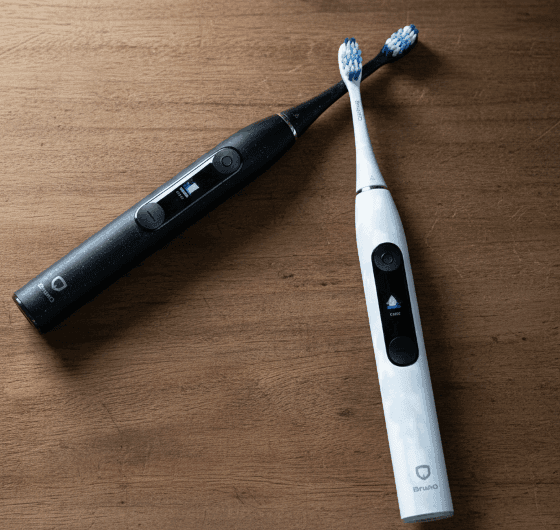
Many people assume that if a product is on the shelf, it’s safe. However, studies show that some widely used oral hygiene products can:
• Erode tooth enamel due to excessive abrasiveness
• Cause gum recession with hard bristles or over-brushing
• Disrupt oral microbiota with strong antiseptics
• Trigger sensitivity from whitening agents
• Irritate soft tissues with alcohol-based mouthwash
Even “whitening” or “deep-cleaning” formulas may contain microplastics, harsh detergents, or strong acids that do more harm than good when used improperly or too often.
• Can scrape enamel and damage gum tissue
• May encourage aggressive brushing due to lack of feedback
• Deliver more consistent pressure and movement
• Reduce overbrushing if used properly
• Use FSB (Fully Smart Brushing) to monitor pressure, angle, zone coverage, and duration
• Detect overbrushing and provide instant alerts
• Personalize brushing routines based on your performance
• Offer daily reports + reward systems to improve compliance and motivation
Toothpaste is more than just foam and flavor. The abrasive index (RDA) of a toothpaste determines how much it wears down enamel.
| Type of Toothpaste | RDA Range | Risk Level |
| Low-Abrasive (Gentle) | < 70 | Safe for daily use |
| Medium Abrasive | 70–100 | Use with care |
| Highly Abrasive | > 100 | Can erode enamel |
Whitening toothpaste often scores over 100 RDA, which, if used daily without proper technique, may cause enamel thinning and tooth sensitivity.
Many commercial mouthwashes contain alcohol levels above 20% and chlorhexidine or other antimicrobial agents. While these may reduce bacteria, they also:
• Disrupt the balance of healthy oral microbiota
• Cause dry mouth (xerostomia), which increases decay risk
• Irritate soft tissue, especially in sensitive individuals
Instead, consider alcohol-free, pH-balanced formulas that support remineralization and protect mucosal health.
Even with good products, bad habits can cause damage:
• Brushing too hard: leads to gum recession
• Brushing too fast: misses critical zones and surfaces
• Using the wrong technique: neglects the gumline and back teeth
• Not replacing brush heads: allows bacterial buildup
BrushO combats all of the above with:
• 6-zone, 16-surface tracking
• Real-time pressure detection
• Technique correction tips
• Rewards for consistency and improvement
Use this checklist:
✅ Soft-bristled brush (smart AI-enhanced if possible)
✅ Low- to medium-abrasive toothpaste, preferably fluoride-based
✅ Alcohol-free mouthwash with xylitol or essential oils
✅ Daily brushing reports for technique monitoring
✅ Replace brush head every 2-3 months
✅ Floss and tongue-clean daily
Your oral hygiene products should be gentle yet effective, and your habits should be informed by data, not guesswork. By upgrading to smarter tools like BrushO and reviewing the actual ingredients and impact of your daily products, you can ensure your oral care routine truly supports your long-term health—not silently undermines it.
Jul 30
Jul 30
Jul 29
Jul 22
Jul 19
Jul 17

PPM describes concentration, not the amount to put on the brush. Learn how to read fluoride information while keeping regional guidance and individual advice in view.

That forgotten tube deserves a label check. Learn what toothpaste shelf-life information refers to, why storage matters, and how to avoid guessing from appearance.

Clear gel or opaque paste? Texture is only one feature. Learn which label details matter when comparing toothpastes for your brushing routine.

Minty toothpaste can create a cooling sensation without being chilled. Explore what menthol does and why a fresh feeling is different from complete cleaning.

The sound of a powered brush comes with its moving mechanism. Learn how normal operating noise differs from alerts or an unexpected change that needs checking.

Toothpaste on the mirror? Check when you switch the brush on and off, how you position it, and how to pause without rushing your routine.

A whitening brushing program and a bleaching treatment are different things. Learn how to interpret mode names, surface-stain claims, and realistic expectations.

A tiny cluster of bristles serves a different purpose from a full-size head. Learn where a single-tuft brush may fit into an individually recommended cleaning routine.

Angled tufts, different bristle heights, and the angle of your hand are separate design questions. Learn how to read a toothbrush-head description clearly.

A larger head is not an automatic shortcut to cleaner teeth. Learn how head size affects access, positioning, and the fit of your daily brushing routine.

Bàn chải điện BrushO AI cung cấp hướng dẫn chải răng theo thời gian thực, phản hồi lực nhấn, theo dõi vùng chải và báo cáo tiến độ trong ứng dụng cho thói quen hằng ngày sạch hơn.
Bàn chải điện BrushO AI cung cấp hướng dẫn chải răng theo thời gian thực, phản hồi lực nhấn, theo dõi vùng chải và báo cáo tiến độ trong ứng dụng cho thói quen hằng ngày sạch hơn.


Address: RM 1427, 14/F RADIO CITY 505, HENNESSY RD CAUSEWAY BAY, HONG KONG
Code: 000000
Phone: +852-53758652
Email: customerservice@brusho.com