
Jul 30
Jul 30
Jul 29
Jul 22
Jul 19
Jul 17
Plaque accumulation does not occur evenly across the mouth. Some teeth are far more vulnerable due to their position, surface structure, and exposure to saliva and chewing forces. Understanding where and why plaque forms fastest allows individuals to adopt targeted cleaning strategies that reduce cavities, gum disease, and long-term dental damage. This article explains the biological and mechanical reasons behind uneven plaque buildup and outlines science-backed brushing approaches — including AI-guided smart brushing — that ensure comprehensive coverage and improved oral health outcomes.
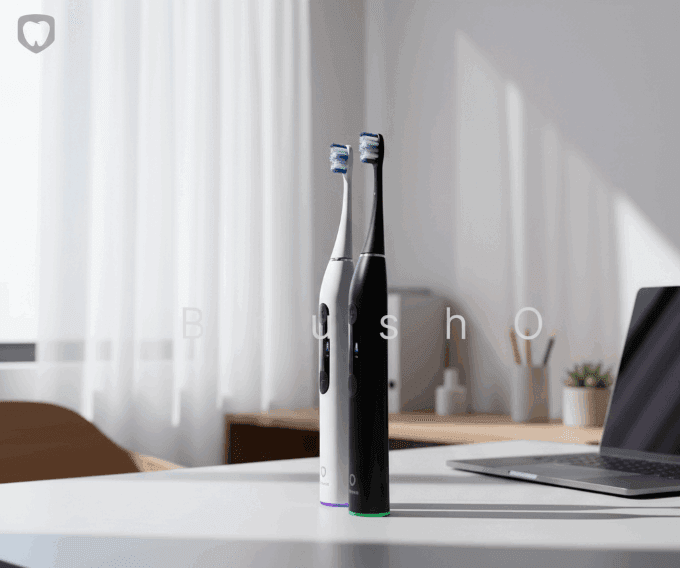
Dental plaque is a sticky biofilm made of bacteria, proteins, and food residues that constantly develops on tooth surfaces. While plaque formation is natural, accumulation rates vary based on anatomy and environment.
Certain teeth provide more favorable conditions for bacterial colonization due to:
• Limited mechanical cleaning from chewing
• Reduced saliva exposure
• Complex surface grooves
• Difficult accessibility during brushing
These factors create localized zones where bacteria multiply faster, and biofilm matures more rapidly.
Molars are among the most plaque-prone teeth because of their:
• Deep pits and fissures
• Larger chewing surfaces
• Distance from direct brushing visibility
Food particles often remain trapped in these grooves, giving bacteria an ideal growth environment.
Plaque frequently accumulates behind the lower incisors due to:
• Proximity to salivary ducts
• Mineral-rich saliva accelerates tartar formation
• Neglect during routine brushing
This area is one of the most common sites for hardened plaque deposits.
The junction between teeth and gums is especially vulnerable because:
• Plaque accumulates where brushing angles are incorrect
• Biofilm thrives in moist protected margins
• Inflammation can begin unnoticed
Failure to clean this area consistently increases the risk of gingivitis and periodontal disease.
Saliva protects teeth by neutralizing acids and washing away debris. Teeth with reduced saliva exposure accumulate plaque faster.
Misaligned teeth create sheltered niches where toothbrush bristles struggle to reach.
Roughened or eroded enamel allows bacteria to adhere more easily compared to smooth surfaces.
Frequent sugar or starch exposure promotes bacterial metabolism and localized plaque growth.
Brushing twice daily is essential — but coverage quality determines effectiveness.
Common technique issues include:
• Overlooking back teeth
• Inadequate gumline angling
• Uneven brushing duration per zone
• Excessive pressure reducing cleaning precision
Traditional brushes provide no feedback, leaving these errors unnoticed.
AI-driven toothbrush systems address uneven plaque removal through real-time monitoring.
BrushO supports plaque prevention by:
• Tracking 6 oral zones and 16 surfaces
• Detecting skipped areas
• Monitoring pressure levels
• Providing post-session coverage reports
• Reinforcing habit consistency through reward-based engagement
This data-driven approach transforms brushing from guesswork into targeted plaque management.
Dentist-backed preventive actions include:
• Angling bristles 45° toward the gumline
• Spending equal time per mouth zone
• Cleaning molar grooves carefully
• Flossing daily
• Monitoring brushing performance
Personalized brushing feedback significantly improves compliance and long-term oral outcomes.
Plaque buildup is not random — it reflects the interplay of tooth anatomy, saliva flow, brushing behavior, and lifestyle factors. Certain teeth accumulate plaque faster due to structural and accessibility challenges, increasing their vulnerability to decay and gum disease. Understanding these patterns allows individuals to clean strategically rather than uniformly. AI-guided brushing tools like BrushO further enhance plaque control by identifying neglected zones and optimizing technique in real time, promoting healthier teeth and gums through precision-driven oral care.
Feb 11
Feb 6
Jul 30
Jul 30
Jul 29
Jul 22
Jul 19
Jul 17

The uncontrolled hypertension is the condition that the dental practice meets in the patient who presents with the elevated pressure that the guideline does not permit for the elective treatment, and the management of this patient requires the deferral of the dental procedure and the referral to ...

The closure of the extraction space in the orthodontic treatment is the phase that demands the careful selection of the mechanics and the monitoring of the force that the appliance delivers. The sliding mechanics that rely on the continuous archwire and the power chain that connects the brackets ...

The transverse discrepancy of the maxilla is the problem that the crowding and the posterior crossbite often hide, and the maxillary expansion is the treatment that addresses the width of the arch rather than the position of the individual tooth. The clinician who diagnoses the constriction early...

The local anaesthesia is the daily procedure that the modern dentistry treats as the routine, and the complications that follow it range from the transient and the trivial to the permanent and the serious. The clinician who injects by the habit without the anatomy in the mind is the clinician who...

The hypertension is the condition that the dental practice meets in the every day, and the patient who carries the elevated pressure without the symptoms is the patient who presents the risk that the chair-side measurement reveals. The dental team occupies the position that no other profession ho...

The glass-ceramic crown has become the default restoration for the anterior and the many posterior teeth, and the material selection within the family is the decision that determines the strength, the aesthetics, and the longevity of the result. The lithium disilicate, the leucite, and the zircon...

The dental phobia is the extreme form of the dental fear that prevents the patient from attending the treatment that the oral health requires, and the management of the phobia demands the skill that extends beyond the routine behaviour guidance. The systematic desensitization, the exposure therap...

The dental fear of the child is the condition that shapes the attitude for the lifetime, and the clinician who manages the first visits with the skill builds the patient who attends the recall without the dread. The fear that the child develops follows the many sources, and the practice that reco...

The patient with controlled hypertension is the patient who requires the dental care that the oral health demands and the treatment that the blood pressure permits, and the clinician who manages the controlled case safely follows the guideline that the evidence supports. The controlled hypertensi...

The ceramic veneer is the restoration that the aesthetic dentistry depends on, and the bond that retains the veneer on the enamel is the critical link that determines whether the restoration survives the function or fractures and debonds. The clinical technique from the preparation to the cementa...

แปรงสีฟันไฟฟ้า BrushO AI ให้คำแนะนำการแปรงแบบเรียลไทม์ ฟีดแบ็กแรงกด การติดตามพื้นที่แปรง และรายงานความคืบหน้าในแอป เพื่อกิจวัตรประจำวันที่สะอาดขึ้น
แปรงสีฟันไฟฟ้า BrushO AI ให้คำแนะนำการแปรงแบบเรียลไทม์ ฟีดแบ็กแรงกด การติดตามพื้นที่แปรง และรายงานความคืบหน้าในแอป เพื่อกิจวัตรประจำวันที่สะอาดขึ้น


Address: RM 1427, 14/F RADIO CITY 505, HENNESSY RD CAUSEWAY BAY, HONG KONG
Code: 000000
Phone: +852-53758652
Email: customerservice@brusho.com