
Jul 30
Jul 30
Jul 29
Jul 22
Jul 19
Jul 17
Selecting toothpaste is often treated as a routine purchase, yet its formulation plays a measurable role in cavity prevention, enamel protection, and gum health. Toothpastes vary widely in active ingredients, abrasiveness, and therapeutic purpose, meaning a product that works well for one individual may not benefit another. Understanding how to evaluate ingredients, match formulas to oral conditions, and integrate toothpaste into an effective brushing routine allows consumers to make evidence-based decisions. This guide explains how to assess oral health priorities, decode ingredient labels, and optimize outcomes through consistent brushing practices supported by smart oral care tools.
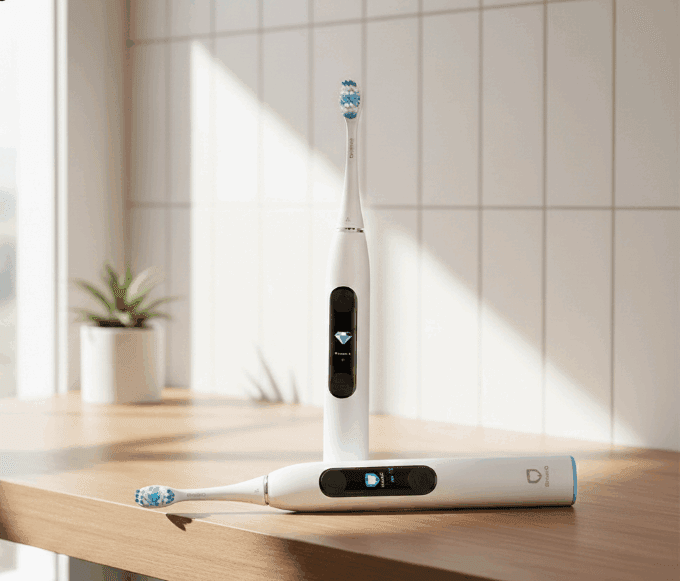
Selecting suitable toothpaste begins with identifying your primary oral concerns. Different formulations are designed to target specific conditions.
Cavity Prevention
Fluoride-containing toothpaste strengthens enamel and helps remineralize early decay, making it a cornerstone of preventive dentistry.
Formulas containing potassium nitrate or strontium salts help block nerve signals that cause discomfort when exposed to temperature changes.
Gum Protection
Anti-gingivitis formulations with antimicrobial agents reduce plaque accumulation and inflammation along the gumline.
Cosmetic Whitening
Whitening toothpastes remove surface stains through mild abrasives or polishing agents, though they do not alter intrinsic tooth color.
Clarifying your primary objective prevents unnecessary ingredient exposure and improves oral care outcomes.
Understanding ingredient function improves decision-making and ensures safety.
• Fluoride — Reinforces enamel and reduces cavity risk
• Hydrated Silica / Baking Soda — Gentle abrasives for stain removal
• Potassium Nitrate — Sensitivity reduction
• Antibacterial Compounds — Support gum health and breath freshness
• Avoid highly abrasive formulations if enamel thinning or recession exists
• Look for clinically validated actives rather than purely cosmetic additives
• Evaluate formulation balance between protection and comfort
Label literacy plays a major role in long-term oral wellness.
Toothpaste efficacy depends on delivery through proper brushing technique and duration.
• Brushing twice daily with consistent coverage
• Allowing active ingredients to remain on teeth briefly
• Avoiding aggressive rinsing immediately after brushing
Smart oral care tools such as BrushO enhance ingredient performance by ensuring even distribution across all tooth surfaces and gumline regions through guided coverage tracking and pressure control.
Use age-appropriate fluoride concentrations and palatable flavors that encourage habit formation.
Specialized plaque-control formulas support cleaning around brackets and aligners.
Individuals experiencing enamel erosion, chronic dry mouth, or periodontal disease should consult dental professionals before selecting toothpaste.
Personalization improves safety and therapeutic effectiveness.
Consumers can assess toothpaste suitability through structured observation.
• Maintain a trial period of several weeks
• Monitor changes in sensitivity, plaque feel, and breath freshness
• Avoid frequent product switching
• Combine with consistent brushing habits and appropriate tools
Evidence-based evaluation supports better long-term oral health decisions.
Choosing toothpaste is not a trivial decision but a personalized health choice shaped by biological needs, ingredient understanding, and brushing behavior. Matching formulation to oral condition enhances preventive protection, reduces discomfort, and supports gum stability. When paired with guided brushing technologies like BrushO, toothpaste effectiveness improves through optimized coverage, pressure balance, and routine consistency. Informed selection combined with structured oral care habits forms the foundation of lasting dental wellness.
Feb 20
Feb 20
Jul 30
Jul 30
Jul 29
Jul 22
Jul 19
Jul 17

If you are thirsty after brushing, choose plain water. Plan your usual bedtime drink before brushing and skip the immediate rinse at the sink.

Waterpik recommends warm water for its flossers. Check your own model and use comfortably lukewarm water if cold water feels sharp.

Let an intact handle return to room temperature before you consider charging it. Check your manual and watch for signs of battery or housing damage.

Lift away the paste, check the care label, and use cool water on washable fabric. Here is a quick approach for a fresh spot.

Turn the brush off, then check the fit, the connection, and the condition of the head. A second compatible head can help you narrow it down.

Look for a clean, rigid container with a secure lid and keep it with your belongings. A napkin on a lunch tray is easy to clear away.

Check the care directions for your clear retainer. Clinics give different instructions, and the right cleaning method depends on the appliance you received.

Try a gentle rinse first. If the hull sits between teeth and floss moves freely, make a careful pass and stop if it still feels stuck.

A tight gap or rough edge can catch floss. Notice where it snags, keep the movement gentle, and find out when to ask your dentist to check.

Your first sip can taste sharp after brushing. Here is what may be changing and how to make breakfast taste like breakfast again.

แปรงสีฟันไฟฟ้า BrushO AI ให้คำแนะนำการแปรงแบบเรียลไทม์ ฟีดแบ็กแรงกด การติดตามพื้นที่แปรง และรายงานความคืบหน้าในแอป เพื่อกิจวัตรประจำวันที่สะอาดขึ้น
แปรงสีฟันไฟฟ้า BrushO AI ให้คำแนะนำการแปรงแบบเรียลไทม์ ฟีดแบ็กแรงกด การติดตามพื้นที่แปรง และรายงานความคืบหน้าในแอป เพื่อกิจวัตรประจำวันที่สะอาดขึ้น


Address: RM 1427, 14/F RADIO CITY 505, HENNESSY RD CAUSEWAY BAY, HONG KONG
Code: 000000
Phone: +852-53758652
Email: customerservice@brusho.com