
Jul 30
Jul 30
Jul 29
Jul 22
Jul 19
Jul 17
Your gumline—the point where your teeth meet your gums—is one of the most critical yet overlooked areas in oral hygiene. Gum recession, inflammation, and plaque buildup often begin here, quietly progressing until they cause serious damage. This article explores why the gumline matters, what risks emerge when it’s neglected, and how smart brushing tools like BrushO can guide users to properly clean this zone, helping to prevent gingivitis, periodontitis, and tooth sensitivity. Backed by dental science and equipped with AI-powered technology, BrushO empowers users to maintain healthy gums and long-lasting smiles.
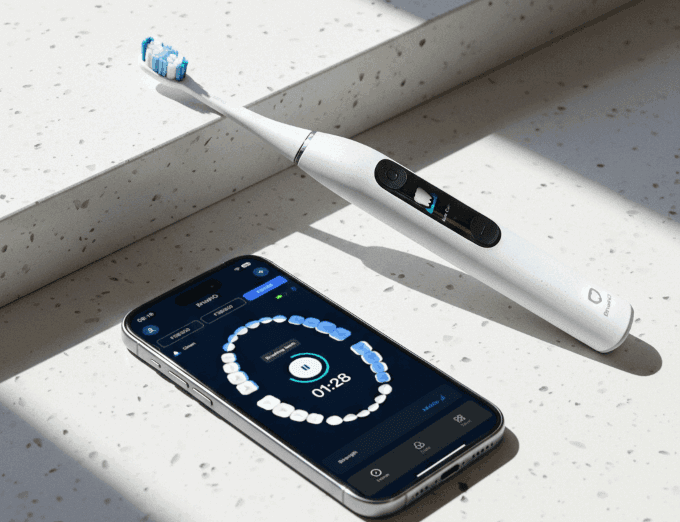
The gumline is the soft tissue margin where your gums surround the base of each tooth. It acts as a protective barrier for the underlying bone and root surfaces. Neglecting this area can open the door to:
• Plaque buildup and tartar accumulation
• Gum inflammation (gingivitis)
• Advanced gum disease (periodontitis)
• Root exposure and sensitivity
• Eventual tooth loosening or loss
Despite its importance, the gumline is often missed during daily brushing due to improper technique or lack of awareness.
Here are key indicators that your gumline may not be getting the attention it needs:
• Bleeding when brushing or flossing
• Swollen or puffy gums
• Persistent bad breath
• Gums that appear to be pulling away from teeth
• Teeth feeling longer due to gum recession
• Sensitivity to temperature or touch
These signs often point to early gum disease, which is reversible if addressed early.
Gingivitis begins with gumline neglect. Left untreated, it may progress to periodontitis—an advanced form of gum disease that damages the bone supporting your teeth. It’s the leading cause of adult tooth loss.
Plaque left at the gumline calcifies into tartar within 24–72 hours. Tartar cannot be removed by brushing alone and requires professional cleaning.
As gums recede, the root becomes exposed. Unlike enamel, root surfaces are more vulnerable to decay and sensitivity.
Hard bristles or aggressive brushing can cause trauma to the gums. A soft-bristled brush gently removes plaque without damaging tissue.
This angle helps the bristles sweep slightly under the gumline, targeting the plaque buildup where it starts.
Overbrushing causes gum recession. Let the brush do the work—there’s no need to scrub.
Consistency matters more than force. Time your brushing and avoid skipping the gumline.
BrushO’s AI-powered brushing system is engineered with gumline protection in mind:
• Zone Detection: BrushO divides the mouth into 6 zones and 16 surfaces, ensuring no area—including the gumline—is missed.
• Pressure Sensor Alerts: Real-time feedback prevents overbrushing and gum trauma.
• Smart Coverage Tracking: The app shows if you’ve effectively cleaned along the gumline and suggests corrections.
• Habit Reinforcement: Through rewards and daily reports, BrushO motivates you to maintain complete and balanced brushing habits.
Proactive gumline care helps you:
• Avoid expensive periodontal treatments
• Prevent irreversible gum recession
• Maintain aesthetic gum contours
• Reduce sensitivity and tooth loss
• Support overall oral and systemic health
Remember: healthy gums are the foundation of a healthy smile.
The gumline isn’t just a border—it’s a battleground. Neglecting it can silently invite inflammation, infection, and tooth loss. But with proper brushing techniques and tools like BrushO, you can effectively clean the gumline and fortify your oral health for years to come.
Jul 30
Jul 30
Jul 29
Jul 22
Jul 19
Jul 17

PPM describes concentration, not the amount to put on the brush. Learn how to read fluoride information while keeping regional guidance and individual advice in view.

That forgotten tube deserves a label check. Learn what toothpaste shelf-life information refers to, why storage matters, and how to avoid guessing from appearance.

Clear gel or opaque paste? Texture is only one feature. Learn which label details matter when comparing toothpastes for your brushing routine.

Minty toothpaste can create a cooling sensation without being chilled. Explore what menthol does and why a fresh feeling is different from complete cleaning.

The sound of a powered brush comes with its moving mechanism. Learn how normal operating noise differs from alerts or an unexpected change that needs checking.

Toothpaste on the mirror? Check when you switch the brush on and off, how you position it, and how to pause without rushing your routine.

A whitening brushing program and a bleaching treatment are different things. Learn how to interpret mode names, surface-stain claims, and realistic expectations.

A tiny cluster of bristles serves a different purpose from a full-size head. Learn where a single-tuft brush may fit into an individually recommended cleaning routine.

Angled tufts, different bristle heights, and the angle of your hand are separate design questions. Learn how to read a toothbrush-head description clearly.

A larger head is not an automatic shortcut to cleaner teeth. Learn how head size affects access, positioning, and the fit of your daily brushing routine.

Электрическая зубная щетка BrushO с ИИ дает подсказки в реальном времени, обратную связь по давлению, отслеживание покрытия и отчеты о прогрессе в приложении для более чистой ежедневной рутины.
Электрическая зубная щетка BrushO с ИИ дает подсказки в реальном времени, обратную связь по давлению, отслеживание покрытия и отчеты о прогрессе в приложении для более чистой ежедневной рутины.


Address: RM 1427, 14/F RADIO CITY 505, HENNESSY RD CAUSEWAY BAY, HONG KONG
Code: 000000
Phone: +852-53758652
Email: customerservice@brusho.com