
Jul 30
Jul 30
Jul 29
Jul 22
Jul 19
Jul 17
In this article, we’ll explore evidence-based methods, common mistakes, and how smart technology like the BrushO AI-powered toothbrush can play a crucial role in preventing gum disease.
Gum inflammation is the body’s response to bacterial buildup along the gumline, most often caused by plaque. If untreated, it can lead to periodontitis, a more serious form of gum disease that may result in tooth loss.
Brushing too hard, too quickly, or missing areas can allow bacteria to thrive.
Flossing removes debris between teeth—an area toothbrushes often miss.
Using a hard-bristled brush or applying excessive pressure can damage the gums.
Pregnancy and menstruation can make gums more sensitive and prone to inflammation.
Tobacco use impairs blood flow to the gums and weakens your body’s healing ability.
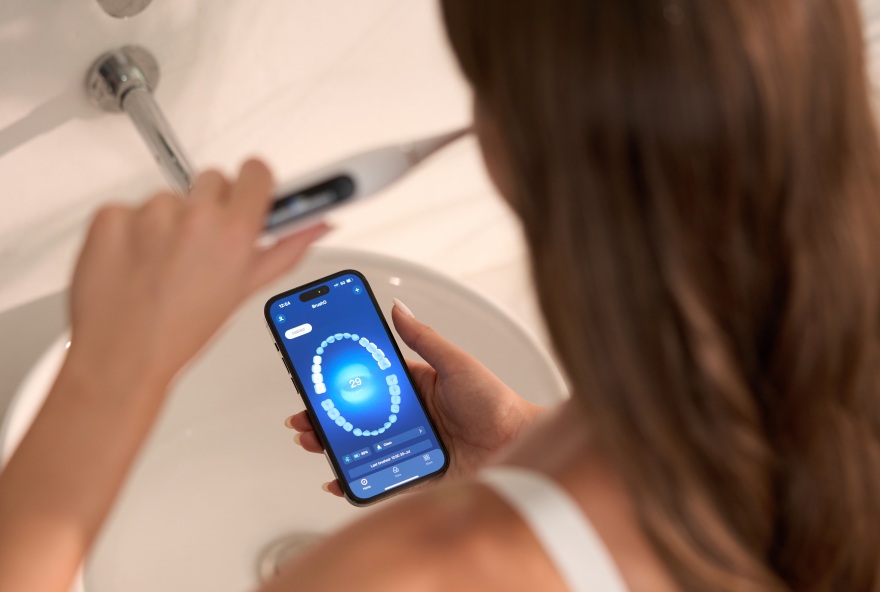
BrushO’s AI-powered toothbrush uses soft, dentist-recommended bristles combined with real-time pressure sensors, helping you brush effectively without harming your gums. Unlike manual brushing, which may cause uneven coverage or excessive force, BrushO uses FSB (Force-Sensing Brushing) technology to warn you when you’re brushing too hard.
Choose dental floss or a water flosser to remove plaque where brushes can’t reach.
Mouthwash with chlorhexidine or essential oils can reduce bacteria and soothe inflammation.
Brush at least twice a day, floss daily, and replace your toothbrush head every 3 months (BrushO ships with interchangeable brush heads for easy replacement).
Ensures full-mouth coverage and alerts you to missed areas
Prevents gum injury caused by overbrushing
Tracks brushing trends and areas for improvement
Guarantees no spot is left behind
If you’re struggling with gum inflammation or looking for a more intelligent way to care for your teeth, BrushO might be the solution. Its smart brushing system adapts to your oral health needs and supports long-term gum protection.
Jul 30
Jul 30
Jul 29
Jul 22
Jul 19
Jul 17

PPM describes concentration, not the amount to put on the brush. Learn how to read fluoride information while keeping regional guidance and individual advice in view.

That forgotten tube deserves a label check. Learn what toothpaste shelf-life information refers to, why storage matters, and how to avoid guessing from appearance.

Clear gel or opaque paste? Texture is only one feature. Learn which label details matter when comparing toothpastes for your brushing routine.

Minty toothpaste can create a cooling sensation without being chilled. Explore what menthol does and why a fresh feeling is different from complete cleaning.

The sound of a powered brush comes with its moving mechanism. Learn how normal operating noise differs from alerts or an unexpected change that needs checking.

Toothpaste on the mirror? Check when you switch the brush on and off, how you position it, and how to pause without rushing your routine.

A whitening brushing program and a bleaching treatment are different things. Learn how to interpret mode names, surface-stain claims, and realistic expectations.

A tiny cluster of bristles serves a different purpose from a full-size head. Learn where a single-tuft brush may fit into an individually recommended cleaning routine.

Angled tufts, different bristle heights, and the angle of your hand are separate design questions. Learn how to read a toothbrush-head description clearly.

A larger head is not an automatic shortcut to cleaner teeth. Learn how head size affects access, positioning, and the fit of your daily brushing routine.

Электрическая зубная щетка BrushO с ИИ дает подсказки в реальном времени, обратную связь по давлению, отслеживание покрытия и отчеты о прогрессе в приложении для более чистой ежедневной рутины.
Электрическая зубная щетка BrushO с ИИ дает подсказки в реальном времени, обратную связь по давлению, отслеживание покрытия и отчеты о прогрессе в приложении для более чистой ежедневной рутины.


Address: RM 1427, 14/F RADIO CITY 505, HENNESSY RD CAUSEWAY BAY, HONG KONG
Code: 000000
Phone: +852-53758652
Email: customerservice@brusho.com