
Jul 30
Jul 30
Jul 29
Jul 22
Jul 19
Jul 17
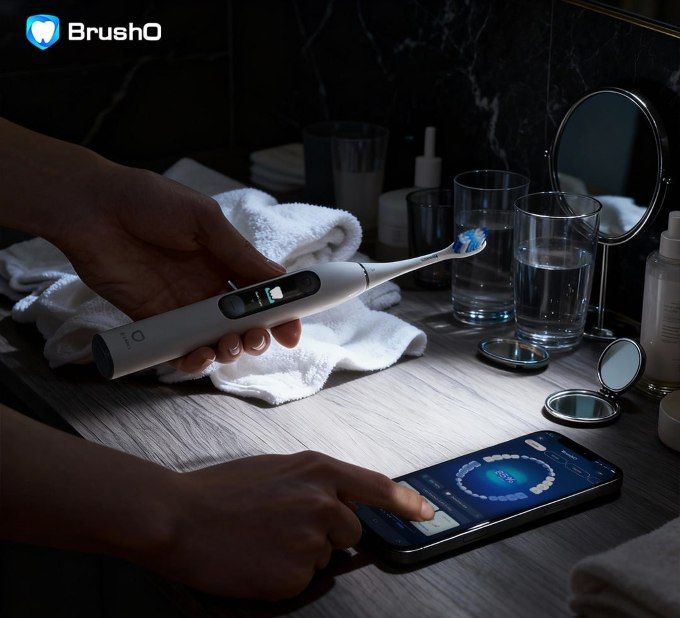
Brushing your teeth with excessive force may seem like a good way to get them extra clean, but it can do more harm than good. Over time, aggressive brushing can lead to enamel erosion, gum recession, and increased tooth sensitivity. In this article, we explore the risks of brushing too hard, how to recognize if you’re doing it, and most importantly, how to improve your technique. With the help of tools like AI-powered smart toothbrushes such as BrushO, you can build safer brushing habits that protect your smile in the long term.
Many people believe that the harder they brush, the cleaner their teeth will be. Unfortunately, this myth often leads to oral health issues. Brushing too hard can:
• Wear down tooth enamel, which protects against decay and sensitivity.
• Cause gum recession, exposing sensitive tooth roots and increasing the risk of gum disease.
• Trigger tooth sensitivity, especially when combined with abrasive toothpaste.
• Miss plaque in hard-to-reach areas due to improper technique.
What starts as a well-meaning habit can end up creating irreversible damage over time.
You might not even realize you’re brushing aggressively. Watch for these warning signs:
• Frayed toothbrush bristles after just a few weeks of use
• Receding gums or exposed tooth roots
• Increased tooth sensitivity to hot or cold
• Visible notches near the gumline (known as toothbrush abrasion)
• Bleeding gums after brushing
If any of these sound familiar, it’s time to rethink how you brush.
Here are some proven ways to reduce brushing force while still getting a thorough clean:
Always choose soft bristles. They’re gentle on gums and enamel but still effective at removing plaque.
This grip naturally reduces the pressure applied during brushing.
You don’t need to scrub. Use small, gentle circular motions instead of back-and-forth sawing.
Brush for two full minutes, focusing on each quadrant of your mouth. Rushing leads to harder brushing.
Smart toothbrushes like BrushO monitor your pressure in real time and alert you when you’re brushing too hard.
BrushO is more than just an electric toothbrush — it’s a smart brushing coach.
• Real-Time Pressure Feedback: Alerts you instantly if you’re brushing too hard.
• Smart Scoring System: Tracks your pressure, angle, and coverage to encourage gentle, effective brushing.
• Customized Modes: Choose gum care or sensitive mode for a gentler routine.
• Habit Building: BrushO’s app gives daily, weekly, and monthly insights to help you improve over time.
By using BrushO, you’re not just cleaning your teeth — you’re improving your brushing technique and protecting your long-term oral health.
Brushing too hard is a common mistake that can silently harm your teeth and gums. But with awareness, better technique, and smart tools like BrushO, you can break the habit and build a safer, healthier brushing routine. Remember: gentle brushing is effective brushing.
Jul 30
Jul 30
Jul 29
Jul 22
Jul 19
Jul 17

PPM describes concentration, not the amount to put on the brush. Learn how to read fluoride information while keeping regional guidance and individual advice in view.

That forgotten tube deserves a label check. Learn what toothpaste shelf-life information refers to, why storage matters, and how to avoid guessing from appearance.

Clear gel or opaque paste? Texture is only one feature. Learn which label details matter when comparing toothpastes for your brushing routine.

Minty toothpaste can create a cooling sensation without being chilled. Explore what menthol does and why a fresh feeling is different from complete cleaning.

The sound of a powered brush comes with its moving mechanism. Learn how normal operating noise differs from alerts or an unexpected change that needs checking.

Toothpaste on the mirror? Check when you switch the brush on and off, how you position it, and how to pause without rushing your routine.

A whitening brushing program and a bleaching treatment are different things. Learn how to interpret mode names, surface-stain claims, and realistic expectations.

A tiny cluster of bristles serves a different purpose from a full-size head. Learn where a single-tuft brush may fit into an individually recommended cleaning routine.

Angled tufts, different bristle heights, and the angle of your hand are separate design questions. Learn how to read a toothbrush-head description clearly.

A larger head is not an automatic shortcut to cleaner teeth. Learn how head size affects access, positioning, and the fit of your daily brushing routine.

Электрическая зубная щетка BrushO с ИИ дает подсказки в реальном времени, обратную связь по давлению, отслеживание покрытия и отчеты о прогрессе в приложении для более чистой ежедневной рутины.
Электрическая зубная щетка BrushO с ИИ дает подсказки в реальном времени, обратную связь по давлению, отслеживание покрытия и отчеты о прогрессе в приложении для более чистой ежедневной рутины.


Address: RM 1427, 14/F RADIO CITY 505, HENNESSY RD CAUSEWAY BAY, HONG KONG
Code: 000000
Phone: +852-53758652
Email: customerservice@brusho.com