
Jul 30
Jul 30
Jul 29
Jul 22
Jul 19
Jul 17
Jaw clenching is one of the most overlooked oral health habits. Many people clench their teeth unconsciously during stress, deep focus, or sleep—without realizing the long-term damage it causes. Unlike cavities or plaque, clenching doesn’t leave obvious early signs, but it can gradually wear down enamel, inflame gums, and strain the jaw joint. Understanding how jaw clenching affects your teeth is the first step toward preventing irreversible damage and restoring healthy oral balance.
Jaw clenching occurs when the upper and lower teeth are pressed together for extended periods without chewing. It often happens subconsciously and is closely linked to:
• Psychological stress and anxiety
• Prolonged screen time and desk work
• Poor posture and neck tension
• Sleep disorders and nighttime bruxism
• High caffeine intake or fatigue
Unlike grinding, which involves tooth movement, clenching applies constant pressure—often stronger than normal chewing forces—placing continuous stress on teeth and supporting structures.
Enamel is strong but not designed for constant pressure. Chronic clenching gradually thins enamel, making teeth more sensitive to temperature and more vulnerable to decay.
Sustained pressure can create microscopic cracks in teeth. Over time, these can develop into visible fractures, chipped edges, or even cracked teeth requiring crowns or root canal treatment.
Clenching rarely distributes force evenly. Certain teeth—often molars or front incisors—absorb more pressure, leading to uneven bite alignment and chewing discomfort.
Jaw clenching doesn’t only affect teeth—it also stresses the surrounding structures:
• Gum recession caused by excessive force on tooth roots
• Inflamed periodontal tissue, increasing sensitivity
• Jaw joint strain (TMJ issues) leading to headaches, ear pain, and facial tension
• Muscle fatigue in the jaw, neck, and shoulders
Many people treat these symptoms individually, without realizing they stem from habitual clenching.
Unlike cavities or bleeding gums, clenching develops silently. There’s no immediate pain, and symptoms often appear gradually. Dentists usually notice the damage only after enamel wear or jaw dysfunction becomes visible—often years after the habit begins.
This delayed detection is why prevention and awareness are crucial.
Modern oral care technology helps bridge the gap between daily habits and professional diagnosis. Smart brushing systems can:
• Detect excessive brushing pressure that may worsen clenching-related damage
• Encourage gentler brushing techniques to protect weakened enamel
• Help users become more aware of oral tension patterns
• Support gum health through adaptive brushing modes
By reducing additional stress during brushing, users can minimize compounding damage caused by clenching.
• Practice jaw relaxation during stress or screen work
• Maintain proper posture to reduce neck and jaw tension
• Avoid chewing gum excessively
• Reduce caffeine intake, especially late in the day
• Use gentle brushing techniques to avoid added pressure
• Consider professional evaluation if clenching occurs during sleep
Small behavioral adjustments can significantly reduce long-term damage.
Jaw clenching doesn’t just affect comfort—it can change the structure of your bite, weaken teeth, and lead to costly dental treatments later. Addressing it early helps preserve enamel, protect gum health, and maintain jaw function.
Jaw clenching is a silent but powerful threat to oral health. It wears down enamel, stresses gums, and strains the jaw without obvious warning signs. Understanding how this habit affects your teeth empowers you to take preventive action before damage becomes permanent. With greater awareness, gentler brushing habits, and smarter oral care support, long-term protection is possible.
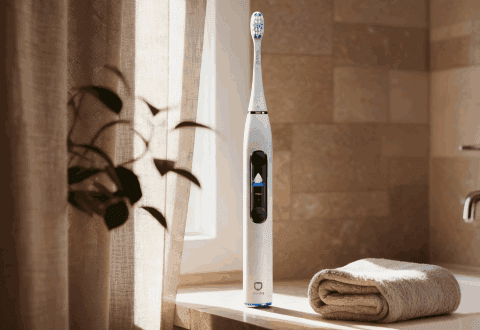
BrushO is an AI-powered smart toothbrush designed to protect teeth and gums through intelligent pressure detection, zone-based analysis, and personalized brushing guidance. By helping users brush gently and effectively, BrushO supports enamel preservation, gum health, and healthier long-term oral habits—especially for those affected by stress-related clenching.
Dec 24
Dec 23
Jul 30
Jul 30
Jul 29
Jul 22
Jul 19
Jul 17

If you are thirsty after brushing, choose plain water. Plan your usual bedtime drink before brushing and skip the immediate rinse at the sink.

Waterpik recommends warm water for its flossers. Check your own model and use comfortably lukewarm water if cold water feels sharp.

Let an intact handle return to room temperature before you consider charging it. Check your manual and watch for signs of battery or housing damage.

Lift away the paste, check the care label, and use cool water on washable fabric. Here is a quick approach for a fresh spot.

Turn the brush off, then check the fit, the connection, and the condition of the head. A second compatible head can help you narrow it down.

Look for a clean, rigid container with a secure lid and keep it with your belongings. A napkin on a lunch tray is easy to clear away.

Check the care directions for your clear retainer. Clinics give different instructions, and the right cleaning method depends on the appliance you received.

Try a gentle rinse first. If the hull sits between teeth and floss moves freely, make a careful pass and stop if it still feels stuck.

A tight gap or rough edge can catch floss. Notice where it snags, keep the movement gentle, and find out when to ask your dentist to check.

Your first sip can taste sharp after brushing. Here is what may be changing and how to make breakfast taste like breakfast again.

Электрическая зубная щетка BrushO с ИИ дает подсказки в реальном времени, обратную связь по давлению, отслеживание покрытия и отчеты о прогрессе в приложении для более чистой ежедневной рутины.
Электрическая зубная щетка BrushO с ИИ дает подсказки в реальном времени, обратную связь по давлению, отслеживание покрытия и отчеты о прогрессе в приложении для более чистой ежедневной рутины.


Address: RM 1427, 14/F RADIO CITY 505, HENNESSY RD CAUSEWAY BAY, HONG KONG
Code: 000000
Phone: +852-53758652
Email: customerservice@brusho.com