
Jul 30
Jul 30
Jul 29
Jul 22
Jul 19
Jul 17
Your mouth contains more than 700 species of bacteria. When gums are healthy, these microbes stay contained. When gum disease develops, harmful bacteria enter the bloodstream, triggering inflammation that reaches the brain. This inflammatory signaling disrupts the neurochemical balance that regulates mood, calmness, and emotional stability. Chronic gum inflammation silently pushes the nervous system into a stress state — even if you feel physically fine.
When oral bacteria spread through inflamed gums, they trigger the release of inflammatory molecules, known as cytokines, by immune cells. These molecules:
• Cross the blood-brain barrier
• Alter serotonin and dopamine production
• Increase cortisol (the stress hormone)
• Reduce emotional resilience
This leads to:
• Heightened anxiety
• Panic-like symptoms
• Irritability
• Emotional fatigue
• Depressive moods
In many people, anxiety has an inflammatory origin, and oral bacteria are a major driver.
Swallowed mouth bacteria don’t just disappear — they travel into the digestive system and disrupt the gut microbiome, which is responsible for producing over 90% of your serotonin.
When oral pathogens reach the gut:
• Good bacteria die
• Inflammation increases
• Neurotransmitter production drops
• Mood stability weakens
This explains why people with chronic gum disease often experience digestive issues, fatigue, and emotional distress together.
Most people brush — but they don’t remove inflammation.
Common errors include:
• Skipping gumlines
• Brushing too hard and damaging tissue
• Missing back molars where bacteria thrive
• Inconsistent daily habits
These allow bacterial biofilms to remain active, continuously releasing inflammatory signals that affect the nervous system.
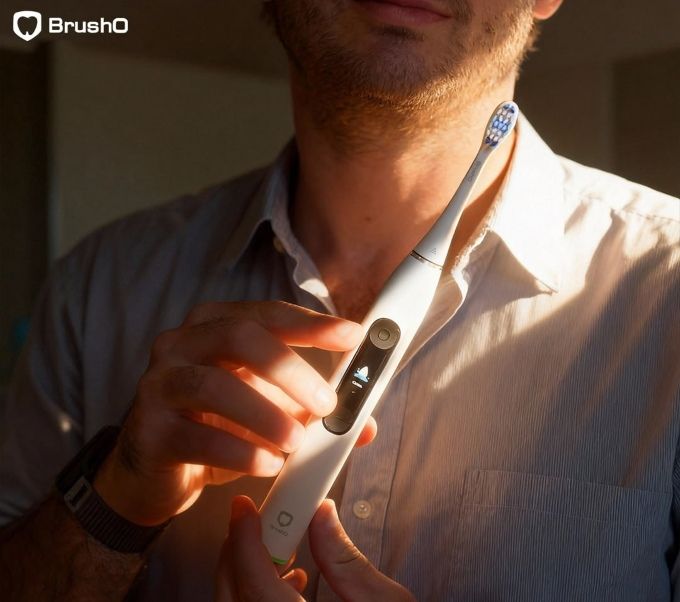
BrushO doesn’t just clean teeth — it removes the neurological trigger hiding in your gums.
It uses:
• Pressure sensors to prevent micro-injury
• 6-zone × 16-surface tracking to eliminate hidden plaque
• AI feedback to stop missed areas
• Habit reports to prevent inflammation from returning
When gum inflammation drops, so does systemic stress — allowing your nervous system to rebalance naturally.
If you experience these together, oral bacteria may be involved:
• Anxiety without obvious cause
• Brain fog
• Mood swings
• Bad breath
• Gum bleeding
• Fatigue
Your mouth and mind are connected through inflammation.
Chronic oral inflammation increases the risk of:
• Anxiety disorders
• Depression
• Cognitive decline
• Sleep disruption
• Emotional burnout
Treating the gums reduces the load on the brain.
Mood isn’t just chemical — it’s microbial. When mouth bacteria trigger inflammation, they silently hijack the nervous system and destabilize emotional health. With precision-guided brushing from BrushO, you remove the source — not just the symptoms. Healthy gums create a calmer mind.
Feb 4
Feb 4
Jul 30
Jul 30
Jul 29
Jul 22
Jul 19
Jul 17

If you are thirsty after brushing, choose plain water. Plan your usual bedtime drink before brushing and skip the immediate rinse at the sink.

Waterpik recommends warm water for its flossers. Check your own model and use comfortably lukewarm water if cold water feels sharp.

Let an intact handle return to room temperature before you consider charging it. Check your manual and watch for signs of battery or housing damage.

Lift away the paste, check the care label, and use cool water on washable fabric. Here is a quick approach for a fresh spot.

Turn the brush off, then check the fit, the connection, and the condition of the head. A second compatible head can help you narrow it down.

Look for a clean, rigid container with a secure lid and keep it with your belongings. A napkin on a lunch tray is easy to clear away.

Check the care directions for your clear retainer. Clinics give different instructions, and the right cleaning method depends on the appliance you received.

Try a gentle rinse first. If the hull sits between teeth and floss moves freely, make a careful pass and stop if it still feels stuck.

A tight gap or rough edge can catch floss. Notice where it snags, keep the movement gentle, and find out when to ask your dentist to check.

Your first sip can taste sharp after brushing. Here is what may be changing and how to make breakfast taste like breakfast again.

Электрическая зубная щетка BrushO с ИИ дает подсказки в реальном времени, обратную связь по давлению, отслеживание покрытия и отчеты о прогрессе в приложении для более чистой ежедневной рутины.
Электрическая зубная щетка BrushO с ИИ дает подсказки в реальном времени, обратную связь по давлению, отслеживание покрытия и отчеты о прогрессе в приложении для более чистой ежедневной рутины.


Address: RM 1427, 14/F RADIO CITY 505, HENNESSY RD CAUSEWAY BAY, HONG KONG
Code: 000000
Phone: +852-53758652
Email: customerservice@brusho.com