
Jul 30
Jul 30
Jul 29
Jul 22
Jul 19
Jul 17
Many people rely on mouthwash for that minty-fresh finish after brushing. But did you know that using it too often could actually work against your oral health? From disrupting your mouth’s natural microbiome to worsening dry mouth, overusing mouthwash can quietly cause long-term issues. In this article, we dive into the science behind mouthwash overuse and how a balanced routine — paired with smart brushing tools like BrushO — can help you achieve better oral health without side effects.
It’s no surprise that mouthwash has become a staple in many bathrooms. It promises:
• Instant fresh breath
• Easy plaque reduction
• Germ-killing benefits
• Quick oral care when you’re on the go
But while it complements brushing and flossing, it was never meant to replace them — or to be used several times a day.
Your mouth is home to good and bad bacteria. Many mouthwashes are broad-spectrum antiseptics, meaning they kill both — wiping out helpful bacteria that protect your teeth and gums. Over time, this can make your mouth more vulnerable to inflammation, bad breath, and even cavities.
Alcohol-based mouthwashes can dry out the oral tissues, reducing saliva production. Since saliva plays a vital role in neutralizing acids and washing away bacteria, this can backfire fast.
Some users report burning sensations or redness, especially with frequent use. This can make your mouth feel sore and uncomfortable, especially if you have sensitive gums.
Relying on mouthwash to mask bad breath may ignore the underlying issues — like poor brushing habits, plaque buildup, or untreated gum disease.
• Stick to once a day, ideally after brushing
• Choose alcohol-free formulas if you’re prone to dryness or sensitivity
• Don’t use mouthwash immediately after brushing with fluoride toothpaste — it may rinse away the fluoride
• Use it as a complement, not a crutch
For optimal results, build your oral care routine around proper brushing first.
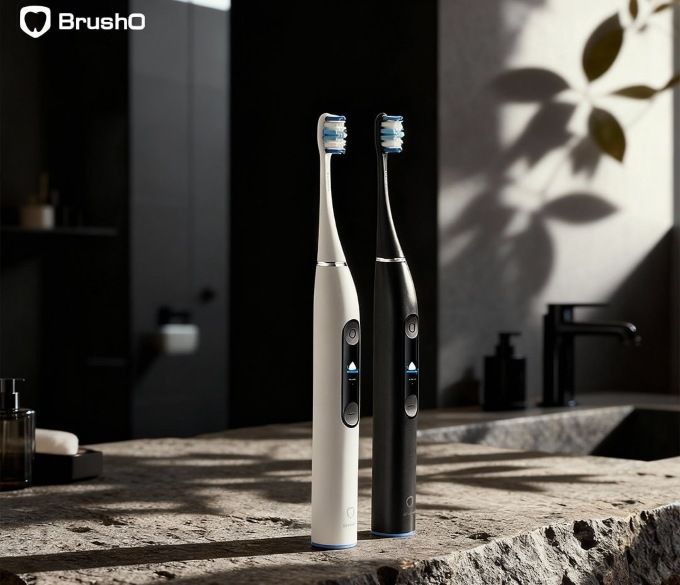
BrushO’s AI-powered technology ensures you’re not missing areas, not brushing too hard, and brushing for the right amount of time — making your routine more effective.
With:
• Real-time pressure sensors
• Heatmaps showing missed zones
• Custom brushing modes for gum care or sensitivity
• Daily brushing scores
You’re targeting the root cause of bad breath and plaque — not just masking them.
Mouthwash can be a great tool when used properly. But overuse can disrupt your oral health rather than improve it. Focus on brushing smarter, not just rinsing more. With BrushO guiding your brushing technique, you may find you need mouthwash far less than you think — because your oral hygiene is already on point.
Jul 30
Jul 30
Jul 29
Jul 22
Jul 19
Jul 17

If you are thirsty after brushing, choose plain water. Plan your usual bedtime drink before brushing and skip the immediate rinse at the sink.

Waterpik recommends warm water for its flossers. Check your own model and use comfortably lukewarm water if cold water feels sharp.

Let an intact handle return to room temperature before you consider charging it. Check your manual and watch for signs of battery or housing damage.

Lift away the paste, check the care label, and use cool water on washable fabric. Here is a quick approach for a fresh spot.

Turn the brush off, then check the fit, the connection, and the condition of the head. A second compatible head can help you narrow it down.

Look for a clean, rigid container with a secure lid and keep it with your belongings. A napkin on a lunch tray is easy to clear away.

Check the care directions for your clear retainer. Clinics give different instructions, and the right cleaning method depends on the appliance you received.

Try a gentle rinse first. If the hull sits between teeth and floss moves freely, make a careful pass and stop if it still feels stuck.

A tight gap or rough edge can catch floss. Notice where it snags, keep the movement gentle, and find out when to ask your dentist to check.

Your first sip can taste sharp after brushing. Here is what may be changing and how to make breakfast taste like breakfast again.

A escova elétrica BrushO com IA oferece orientação em tempo real, feedback de pressão, rastreamento de cobertura e relatórios de progresso no app para uma rotina diária mais limpa.
A escova elétrica BrushO com IA oferece orientação em tempo real, feedback de pressão, rastreamento de cobertura e relatórios de progresso no app para uma rotina diária mais limpa.


Address: RM 1427, 14/F RADIO CITY 505, HENNESSY RD CAUSEWAY BAY, HONG KONG
Code: 000000
Phone: +852-53758652
Email: customerservice@brusho.com