
Jul 30
Jul 30
Jul 29
Jul 22
Jul 19
Jul 17
A healthy smile starts in the morning. Your first oral care session of the day doesn’t just fight bad breath—it sets the tone for your dental health, confidence, and long-term wellness. But with so many tips floating around, what’s the ideal morning oral routine? Here’s a science-backed, AI-enhanced guide to optimizing your morning mouth care—for both appearance and health.
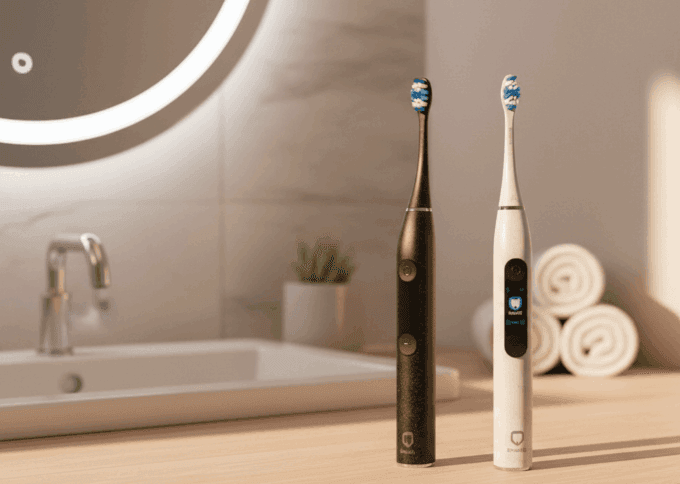
After a night of sleep, your mouth becomes a breeding ground for bacteria. Saliva production slows down, giving odor-causing and plaque-forming microbes the chance to thrive. A well-planned morning routine helps:
• Remove overnight bacterial buildup
• Prevent enamel erosion from acidic breakfast foods
• Refresh your breath for the day ahead
• Reinforce brushing habits and oral health consistency
Neglecting this step or rushing through it could impact both your smile’s appearance and your long-term dental condition.
Contrary to common belief, brushing before breakfast is better for your enamel. Overnight, your mouth becomes acidic, and brushing immediately after eating acidic foods (like fruit juice or toast) can wear down your enamel. Brushing first:
• Reduces bacteria before food contact
• Protects enamel from acidic erosion
• Prepares your teeth with fluoride for the meal ahead
Pro Tip: Use an AI-powered toothbrush like BrushO to ensure you cover all surfaces before breakfast—especially if you tend to brush groggily.
Choose a fluoride toothpaste to help remineralize enamel and protect against decay. For maximum efficiency:
• Use a soft-bristled or AI-monitored brush head
• Set your toothbrush to “fresh breath” or “sensitive” mode if you’re brushing pre-coffee
• Replace brush heads every 3 months—or track wear using the BrushO app
Up to 90% of morning breath originates from the tongue. Make this part of your daily routine:
• Use a built-in tongue scraper or a tongue-cleaning mode on smart brushes
• Gently clean from back to front
• Spend 10–15 seconds removing coating and odor-causing bacteria
BrushO offers dedicated tongue-cleaning tips and app reminders to make this step seamless.
If you’re using fluoride toothpaste, don’t rinse right away. Let the fluoride sit on your teeth for at least 30 minutes for maximum effect. You can:
• Spit out excess foam but skip water rinsing
• Rinse with an alcohol-free mouthwash after breakfast if needed for freshness
• Use BrushO’s app timer to delay rinsing for a healthier post-brushing effect
While many people reserve flossing for the evening, flossing in the morning:
• Removes plaque between teeth before it hardens
• Prevents food particles from breakfast sticking to pre-existing buildup
• Reinforces full-mouth cleanliness from the start of your day
For speed, use a floss pick or water flosser while your toothbrush charges wirelessly (BrushO supports Qi wireless charging for convenience).
BrushO’s smart toothbrush takes your morning brushing to the next level by providing:
• Real-Time Coverage Guidance: 6-zone, 16-surface monitoring to avoid missed areas
• Pressure Feedback: Alerts if you brush too hard or too soft
• Habit Scores: Track streaks, duration, and brushing angles
• Family Monitoring: Parents can review their kids’ brushing behavior before school
By turning your routine into an app-integrated habit, AI helps reinforce consistency—and ultimately, a healthier smile.
Think of your morning oral care like you do skincare or fitness—it’s not just maintenance, it’s prevention. Your smile is one of the first things people notice. Making brushing smarter and more personalized helps ensure you start your day with confidence, not cavities.
The perfect morning oral routine isn’t complicated—it’s consistent, complete, and tech-assisted. From brushing before breakfast to using AI feedback for pressure and zone guidance, your first brushing session of the day can set the tone for long-term dental health.
Let BrushO be your partner in this journey—because a smart smile starts with a smart routine.
Jan 21
Jan 21
Jul 30
Jul 30
Jul 29
Jul 22
Jul 19
Jul 17

PPM describes concentration, not the amount to put on the brush. Learn how to read fluoride information while keeping regional guidance and individual advice in view.

That forgotten tube deserves a label check. Learn what toothpaste shelf-life information refers to, why storage matters, and how to avoid guessing from appearance.

Clear gel or opaque paste? Texture is only one feature. Learn which label details matter when comparing toothpastes for your brushing routine.

Minty toothpaste can create a cooling sensation without being chilled. Explore what menthol does and why a fresh feeling is different from complete cleaning.

The sound of a powered brush comes with its moving mechanism. Learn how normal operating noise differs from alerts or an unexpected change that needs checking.

Toothpaste on the mirror? Check when you switch the brush on and off, how you position it, and how to pause without rushing your routine.

A whitening brushing program and a bleaching treatment are different things. Learn how to interpret mode names, surface-stain claims, and realistic expectations.

A tiny cluster of bristles serves a different purpose from a full-size head. Learn where a single-tuft brush may fit into an individually recommended cleaning routine.

Angled tufts, different bristle heights, and the angle of your hand are separate design questions. Learn how to read a toothbrush-head description clearly.

A larger head is not an automatic shortcut to cleaner teeth. Learn how head size affects access, positioning, and the fit of your daily brushing routine.

A escova elétrica BrushO com IA oferece orientação em tempo real, feedback de pressão, rastreamento de cobertura e relatórios de progresso no app para uma rotina diária mais limpa.
A escova elétrica BrushO com IA oferece orientação em tempo real, feedback de pressão, rastreamento de cobertura e relatórios de progresso no app para uma rotina diária mais limpa.


Address: RM 1427, 14/F RADIO CITY 505, HENNESSY RD CAUSEWAY BAY, HONG KONG
Code: 000000
Phone: +852-53758652
Email: customerservice@brusho.com