
Jul 30
Jul 30
Jul 29
Jul 22
Jul 19
Jul 17
Your weekday and weekend brushing routines may not be as consistent as you think they are. On weekends, changes in schedule, mood, and lifestyle can lead to skipped brushing, rushed routines, or missed areas. These small shifts may seem harmless, but can have long-term effects on oral health. Learn how AI-powered tools like BrushO detect and correct these habits to help you stay consistent—even when life gets flexible.
Weekdays tend to follow a structure: wake up, brush teeth, go to work, brush again before bed. But on weekends, many of us:
• Sleep in
• Eat and snack more frequently
• Travel or spend nights out
• Break from regular routines
These subtle shifts in behavior can negatively affect your oral hygiene without you even realizing it.
Late starts often mean delayed or forgotten brushing. Bacteria have had all night to multiply—skipping your morning brush lets it stay longer.
Weekends bring movie nights, brunches, and comfort food. But with more sugar and carbs comes more plaque—and fewer people remember to brush after meals.
Whether you’re out late or too relaxed, nighttime brushing is often skipped or rushed on weekends, increasing the risk of bacterial buildup overnight.
Weekend brushing may be more casual, with less focus on pressure, angle, or zone coverage—especially without reminders or guidance.
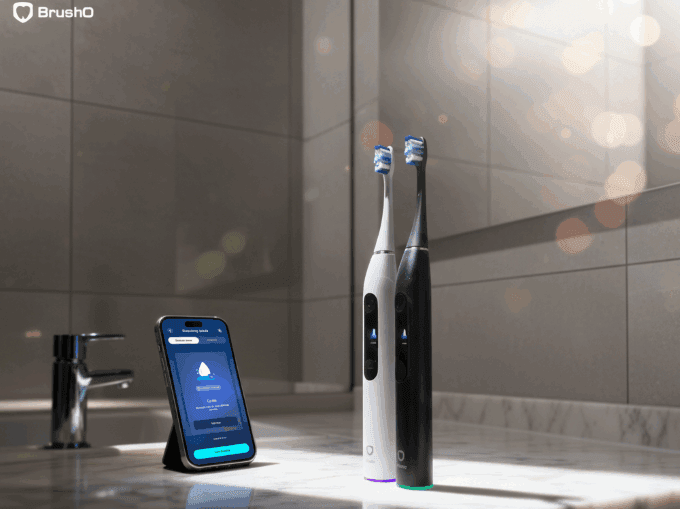
BrushO bridges the weekend gap by keeping you accountable even when life isn’t structured.
Get app notifications to brush, even if your schedule changes.
BrushO tracks performance trends by day, so you can see where your weekend routine differs—and how to fix it.
Make sure you’re not missing zones, even when brushing on-the-go or half-asleep.
Earn token rewards for maintaining consistency—yes, even on Saturdays and Sundays!
• Set reminders in your app or phone for brushing—even when you sleep in
• Keep a travel-size brush and paste in your bag for spontaneous outings
• Avoid brushing immediately after acidic weekend drinks (like mimosas)—wait 30 minutes
• Use gentle brushing mode after late nights or sugary snacks
• Log into the app each evening to track your daily coverage and earn streaks
Your oral bacteria don’t know it’s the weekend. But your habits might change—and your teeth pay the price. The key to preventing weekend-related dental risks is awareness and consistency. With the help of AI-powered tools like BrushO, you can enjoy your weekends while staying on top of your oral health—no dentist visit surprises required.
Jan 22
Jan 22
Jul 30
Jul 30
Jul 29
Jul 22
Jul 19
Jul 17

PPM describes concentration, not the amount to put on the brush. Learn how to read fluoride information while keeping regional guidance and individual advice in view.

That forgotten tube deserves a label check. Learn what toothpaste shelf-life information refers to, why storage matters, and how to avoid guessing from appearance.

Clear gel or opaque paste? Texture is only one feature. Learn which label details matter when comparing toothpastes for your brushing routine.

Minty toothpaste can create a cooling sensation without being chilled. Explore what menthol does and why a fresh feeling is different from complete cleaning.

The sound of a powered brush comes with its moving mechanism. Learn how normal operating noise differs from alerts or an unexpected change that needs checking.

Toothpaste on the mirror? Check when you switch the brush on and off, how you position it, and how to pause without rushing your routine.

A whitening brushing program and a bleaching treatment are different things. Learn how to interpret mode names, surface-stain claims, and realistic expectations.

A tiny cluster of bristles serves a different purpose from a full-size head. Learn where a single-tuft brush may fit into an individually recommended cleaning routine.

Angled tufts, different bristle heights, and the angle of your hand are separate design questions. Learn how to read a toothbrush-head description clearly.

A larger head is not an automatic shortcut to cleaner teeth. Learn how head size affects access, positioning, and the fit of your daily brushing routine.

A escova elétrica BrushO com IA oferece orientação em tempo real, feedback de pressão, rastreamento de cobertura e relatórios de progresso no app para uma rotina diária mais limpa.
A escova elétrica BrushO com IA oferece orientação em tempo real, feedback de pressão, rastreamento de cobertura e relatórios de progresso no app para uma rotina diária mais limpa.


Address: RM 1427, 14/F RADIO CITY 505, HENNESSY RD CAUSEWAY BAY, HONG KONG
Code: 000000
Phone: +852-53758652
Email: customerservice@brusho.com