
Jul 30
Jul 30
Jul 29
Jul 22
Jul 19
Jul 17
How to store an electric toothbrush hygienically is a question often overlooked. Many users leave their toothbrush in a damp cup or next to the sink—conditions that allow bacteria and mold to thrive. This article explains dentist-recommended toothbrush storage practices, shows common mistakes to avoid, and highlights how BrushO’s design (waterproof body, replaceable heads, travel case) makes hygienic storage easier at home and on the go.
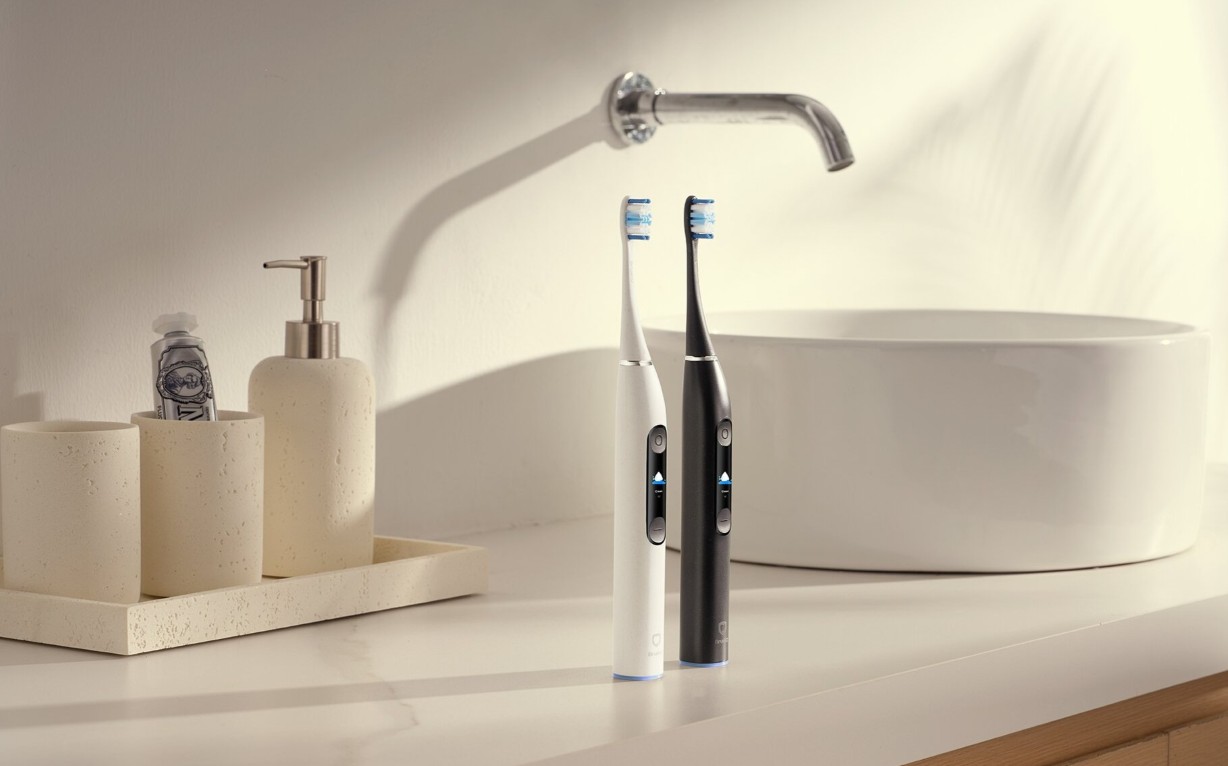
Your toothbrush comes into contact with millions of bacteria daily. Without proper storage, these germs can multiply and compromise your oral health. According to the American Dental Association (ADA), correct toothbrush storage prevents cross-contamination, prolongs brush head life, and reduces risks of gum disease or oral infections.
1. Upright & Ventilated 🌬️
Always store your toothbrush standing upright in a holder that allows airflow. This helps bristles dry quickly and reduces bacterial growth.
2. Separate from Others 🚫
If multiple toothbrushes are in the same holder, ensure bristles don’t touch. This prevents cross-contamination between family members.
3. Cover Smartly 🛡️
Use a breathable cover for travel, not airtight plastic that traps moisture. For home use, open-air drying is preferable.
4. Keep Away from Toilets 🚽
Place toothbrushes at least 6 feet away from toilets and sinks to avoid aerosol exposure.
5. Replace Brush Heads Regularly 🔄
Dentists recommend replacing brush heads every 3 months, or sooner if bristles fray.
The BrushO Smart Electric Toothbrush is designed with hygiene in mind:
- IPX7 waterproof rating: Safe to rinse under water and easy to clean.
- Replaceable brush heads: Each kit includes three heads, making rotation simple.
- Travel-friendly storage case: Keeps brushes safe and ventilated while on the move.
- Smart reminders: App notifications help track when to replace brush heads.
Q1: Should I keep my toothbrush in a drawer?
No, enclosed drawers trap moisture. Open-air storage is healthier.
Q2: Is UV sanitizing worth it?
UV sanitizers can help, but proper drying and replacement are usually enough.
Q3: How often should I disinfect my brush handle?
Wipe weekly with a damp cloth or alcohol pad, especially if multiple people share the bathroom.
Storing your electric toothbrush hygienically isn’t complicated, but it makes a huge difference for oral health. By keeping it upright, ventilated, and away from bacteria sources, you protect both your teeth and your brush. With features like waterproof design, replaceable heads, and a dedicated travel case, BrushO ensures your brushing routine stays clean and safe—wherever you are.
👉 Upgrade your brushing experience with BrushO: https://www.brusho.com
📱 Learn more: How to Charge an Electric Toothbrush Correctly
Sep 4
Sep 2
Jul 30
Jul 30
Jul 29
Jul 22
Jul 19
Jul 17

PPM describes concentration, not the amount to put on the brush. Learn how to read fluoride information while keeping regional guidance and individual advice in view.

That forgotten tube deserves a label check. Learn what toothpaste shelf-life information refers to, why storage matters, and how to avoid guessing from appearance.

Clear gel or opaque paste? Texture is only one feature. Learn which label details matter when comparing toothpastes for your brushing routine.

Minty toothpaste can create a cooling sensation without being chilled. Explore what menthol does and why a fresh feeling is different from complete cleaning.

The sound of a powered brush comes with its moving mechanism. Learn how normal operating noise differs from alerts or an unexpected change that needs checking.

Toothpaste on the mirror? Check when you switch the brush on and off, how you position it, and how to pause without rushing your routine.

A whitening brushing program and a bleaching treatment are different things. Learn how to interpret mode names, surface-stain claims, and realistic expectations.

A tiny cluster of bristles serves a different purpose from a full-size head. Learn where a single-tuft brush may fit into an individually recommended cleaning routine.

Angled tufts, different bristle heights, and the angle of your hand are separate design questions. Learn how to read a toothbrush-head description clearly.

A larger head is not an automatic shortcut to cleaner teeth. Learn how head size affects access, positioning, and the fit of your daily brushing routine.

A escova elétrica BrushO com IA oferece orientação em tempo real, feedback de pressão, rastreamento de cobertura e relatórios de progresso no app para uma rotina diária mais limpa.
A escova elétrica BrushO com IA oferece orientação em tempo real, feedback de pressão, rastreamento de cobertura e relatórios de progresso no app para uma rotina diária mais limpa.


Address: RM 1427, 14/F RADIO CITY 505, HENNESSY RD CAUSEWAY BAY, HONG KONG
Code: 000000
Phone: +852-53758652
Email: customerservice@brusho.com