
Jul 30
Jul 30
Jul 29
Jul 22
Jul 19
Jul 17
Oral health outcomes are shaped not only by brushing frequency but by behavioral psychology — specifically brushing confidence, or an individual’s belief in their ability to clean effectively. Research in preventive dentistry shows that low confidence often correlates with rushed routines, inconsistent coverage, and poor plaque control, while excessive confidence can lead to aggressive brushing and enamel damage. This psychological dimension of oral hygiene directly impacts long-term dental stability, gingival health, and habit persistence. Understanding how brushing confidence affects technique provides a deeper pathway toward improving oral outcomes through feedback-guided, data-informed brushing systems.
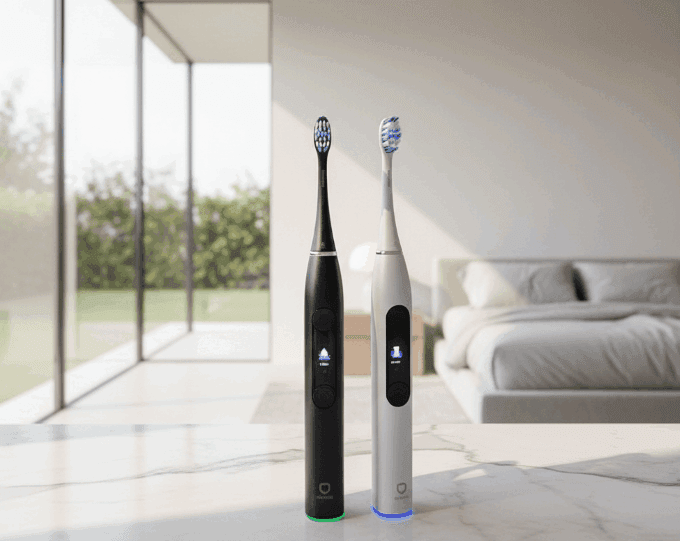
Brushing confidence refers to perceived self-efficacy in performing effective oral hygiene behaviors. It influences:
• Brushing duration
• Surface coverage
• Pressure control
• Consistency of routine
• Willingness to adjust technique
In health psychology, self-efficacy is a proven predictor of preventive behavior adherence. Within dentistry, it shapes how thoroughly individuals engage with daily plaque removal tasks. Confidence itself is not inherently beneficial — its impact depends on accuracy.
Individuals uncertain about their technique often exhibit compensatory patterns:
• Shortened brushing sessions
• Avoidance of hard-to-reach zones
• Inconsistent angles along gumlines
• Reduced pressure stability
These behaviors can produce measurable outcomes:
• Plaque retention
• Early gingival inflammation
• Elevated cavity risk
• Breath quality decline
Low confidence frequently leads to passive brushing, where mechanical contact occurs but effective biofilm disruption does not.
At the opposite extreme, overconfidence may produce:
• Excessive brushing force
• Aggressive horizontal strokes
• Over-brushing frequency
• Enamel abrasion
• Gum recession risk
Dental literature identifies mechanical trauma from brushing as a contributing factor to:
• Cervical enamel wear
• Gingival margin damage
• Tooth sensitivity
This highlights a critical paradox — confidence without feedback can harm oral structures as easily as it protects them.
Confidence evolves through feedback cycles:
1. Behavior
2. Outcome perception
3. Confidence adjustment
4. Habit reinforcement
Traditional brushing lacks objective feedback, meaning confidence is formed through subjective assumptions rather than measurable performance. This disconnect explains why many individuals maintain ineffective routines for years without awareness of technique gaps.
AI-guided brushing technologies introduce performance transparency, allowing confidence to align with measurable outcomes.
Systems such as BrushO enhance calibrated confidence by:
• Tracking 6-zone coverage distribution
• Monitoring pressure application
• Evaluating brushing duration balance
• Providing session performance scoring
• Visualizing behavioral trends
This converts brushing from assumption-based behavior into data-supported decision making.
Accurate feedback fosters:
• Correct technique assurance
• Reduced overcompensation
• Habit persistence
• Improved long-term oral outcomes
Confidence becomes informed rather than intuitive.
When brushing confidence matches actual performance, measurable improvements occur:
• Reduced plaque biofilm accumulation
• Lower gingival bleeding frequency
• Improved enamel preservation
• Enhanced microbiome balance
• Greater routine consistency
Psychologically aligned hygiene behaviors demonstrate stronger long-term adherence than externally forced routines. Confidence calibration therefore functions as a behavioral health tool.
• Use coverage visualization tools
• Monitor pressure feedback signals
• Review brushing analytics trends
• Maintain routine timing consistency
• Seek professional technique guidance
• Avoid equating speed with effectiveness
Confidence should emerge from observation, not assumption.
Brushing confidence is an underrecognized determinant of oral health outcomes. Both underconfidence and overconfidence distort technique, leading either to insufficient plaque control or mechanical tissue damage. The most effective oral care behaviors arise when confidence reflects measurable brushing performance. Integrating real-time feedback and behavioral tracking into daily hygiene routines allows individuals to calibrate technique awareness, strengthen habit stability, and protect long-term dental integrity. Oral health is therefore shaped not only by tools and routines, but by the psychological accuracy with which individuals engage them.
Feb 11
Feb 6
Jul 30
Jul 30
Jul 29
Jul 22
Jul 19
Jul 17

If you are thirsty after brushing, choose plain water. Plan your usual bedtime drink before brushing and skip the immediate rinse at the sink.

Waterpik recommends warm water for its flossers. Check your own model and use comfortably lukewarm water if cold water feels sharp.

Let an intact handle return to room temperature before you consider charging it. Check your manual and watch for signs of battery or housing damage.

Lift away the paste, check the care label, and use cool water on washable fabric. Here is a quick approach for a fresh spot.

Turn the brush off, then check the fit, the connection, and the condition of the head. A second compatible head can help you narrow it down.

Look for a clean, rigid container with a secure lid and keep it with your belongings. A napkin on a lunch tray is easy to clear away.

Check the care directions for your clear retainer. Clinics give different instructions, and the right cleaning method depends on the appliance you received.

Try a gentle rinse first. If the hull sits between teeth and floss moves freely, make a careful pass and stop if it still feels stuck.

A tight gap or rough edge can catch floss. Notice where it snags, keep the movement gentle, and find out when to ask your dentist to check.

Your first sip can taste sharp after brushing. Here is what may be changing and how to make breakfast taste like breakfast again.

A escova elétrica BrushO com IA oferece orientação em tempo real, feedback de pressão, rastreamento de cobertura e relatórios de progresso no app para uma rotina diária mais limpa.
A escova elétrica BrushO com IA oferece orientação em tempo real, feedback de pressão, rastreamento de cobertura e relatórios de progresso no app para uma rotina diária mais limpa.


Address: RM 1427, 14/F RADIO CITY 505, HENNESSY RD CAUSEWAY BAY, HONG KONG
Code: 000000
Phone: +852-53758652
Email: customerservice@brusho.com