
Jul 30
Jul 30
Jul 29
Jul 22
Jul 19
Jul 17
Breathing is an automatic function, yet the way you breathe — through your nose or mouth — can significantly influence oral health, facial development, jaw alignment, and systemic well-being. Chronic mouth breathing alters saliva balance, increases bacterial activity, and may contribute to dental decay, gum inflammation, and structural facial changes, especially during developmental years. Understanding how breathing patterns affect oral physiology empowers individuals to take preventive action through improved awareness, medical evaluation, and consistent oral hygiene practices. By maintaining proper breathing habits and effective daily care, long-term dental and health risks can be minimized.
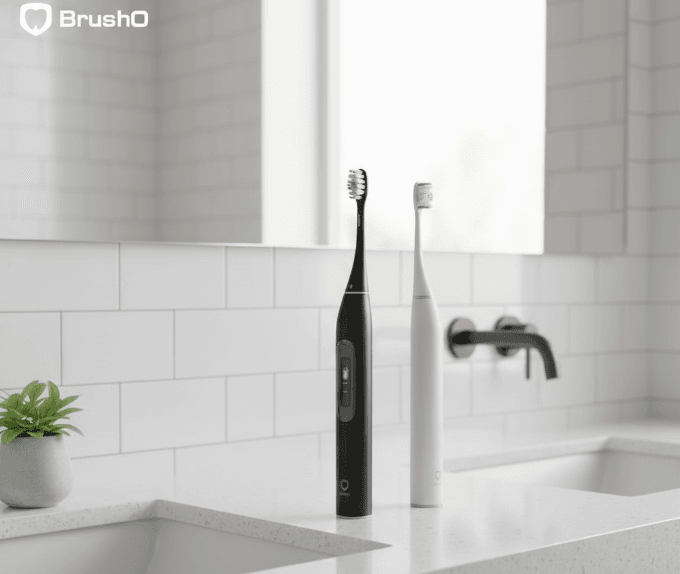
Breathing influences more than oxygen intake. It affects:
• Oral moisture balance
• Bacterial ecosystem stability
• Tongue posture and jaw positioning
• Facial muscle engagement
• Sleep quality and recovery
While nasal breathing is the body’s natural default, chronic deviations toward mouth breathing may create cumulative physiological changes that go unnoticed for years.
Persistent mouth breathing often originates from airflow limitations rather than habit alone. Common triggers include:
• Nasal congestion or blockage
• Allergic inflammation
• Enlarged tonsils or adenoids
• Structural airway variations
• Learned breathing patterns
Even when underlying issues are resolved, the behavioral pattern may persist unless consciously corrected.
Mouth breathing significantly alters the oral environment. Unlike nasal breathing, which humidifies air, mouth breathing promotes dehydration of oral tissues.
Consequences include:
• Reduced saliva production
• Increased plaque accumulation
• Higher bacterial proliferation
• Persistent halitosis
• Elevated risk of cavities and gum inflammation
Saliva plays essential roles in acid neutralization, microbial control, and enamel remineralization. When saliva protection diminishes, oral vulnerability increases.
Breathing habits influence muscle balance and tongue posture — key factors in craniofacial development.
Observed associations include:
• Narrow dental arches
• Elongated facial profiles
• Misaligned teeth or bite irregularities
• Reduced jaw support
Nasal breathing encourages proper tongue placement against the palate, supporting structural stability and balanced development. This influence is most pronounced during childhood but remains relevant in adulthood through muscle and posture adaptation.
Breathing mode also affects overall physiological function:
• Reduced sleep efficiency
• Increased snoring or airway instability
• Throat irritation
• Less efficient oxygen exchange
Nasal breathing promotes filtration, humidification, and nitric oxide release — all of which enhance respiratory efficiency and recovery processes.
Transitioning toward nasal breathing may require structured awareness and intervention:
• Managing allergies or congestion
• Practicing conscious nasal breathing
• Seeking ENT or orthodontic consultation
• Addressing structural airway concerns
Early assessment is especially beneficial for children to support balanced development.
When mouth breathing persists, strengthening oral hygiene becomes essential:
• Consistent plaque removal
• Adequate hydration
• Fluoride-supported enamel protection
• Complete coverage brushing
Maintaining thorough daily care helps counterbalance the increased bacterial activity associated with dry oral environments.
Breathing patterns quietly shape oral health, facial structure, and systemic wellness. While nasal breathing offers protective physiological advantages, chronic mouth breathing may contribute to cumulative dental and structural effects. Awareness, medical guidance, and consistent oral hygiene routines are critical for minimizing long-term risks and maintaining overall health stability. BrushO supports consistent oral protection by guiding brushing technique, monitoring coverage, and reinforcing healthy routines. For individuals experiencing dry-mouth conditions or elevated bacterial risk, smart brushing support helps maintain effective plaque control and enamel protection, contributing to long-term oral stability.
Feb 10
Feb 9
Jul 30
Jul 30
Jul 29
Jul 22
Jul 19
Jul 17

If you are thirsty after brushing, choose plain water. Plan your usual bedtime drink before brushing and skip the immediate rinse at the sink.

Waterpik recommends warm water for its flossers. Check your own model and use comfortably lukewarm water if cold water feels sharp.

Let an intact handle return to room temperature before you consider charging it. Check your manual and watch for signs of battery or housing damage.

Lift away the paste, check the care label, and use cool water on washable fabric. Here is a quick approach for a fresh spot.

Turn the brush off, then check the fit, the connection, and the condition of the head. A second compatible head can help you narrow it down.

Look for a clean, rigid container with a secure lid and keep it with your belongings. A napkin on a lunch tray is easy to clear away.

Check the care directions for your clear retainer. Clinics give different instructions, and the right cleaning method depends on the appliance you received.

Try a gentle rinse first. If the hull sits between teeth and floss moves freely, make a careful pass and stop if it still feels stuck.

A tight gap or rough edge can catch floss. Notice where it snags, keep the movement gentle, and find out when to ask your dentist to check.

Your first sip can taste sharp after brushing. Here is what may be changing and how to make breakfast taste like breakfast again.

A escova elétrica BrushO com IA oferece orientação em tempo real, feedback de pressão, rastreamento de cobertura e relatórios de progresso no app para uma rotina diária mais limpa.
A escova elétrica BrushO com IA oferece orientação em tempo real, feedback de pressão, rastreamento de cobertura e relatórios de progresso no app para uma rotina diária mais limpa.


Address: RM 1427, 14/F RADIO CITY 505, HENNESSY RD CAUSEWAY BAY, HONG KONG
Code: 000000
Phone: +852-53758652
Email: customerservice@brusho.com