
Jul 30
Jul 30
Jul 29
Jul 22
Jul 19
Jul 17
Lemon water has become a daily ritual for many—celebrated for its ability to aid digestion, boost hydration, and support immunity. However, beneath these wellness claims lies a lesser-known truth: its impact on your teeth. As a naturally acidic beverage, lemon water can gradually weaken tooth enamel, leading to sensitivity, discoloration, and even cavities. This article explores the dual nature of lemon water, the science behind enamel erosion, and simple steps you can take to enjoy its benefits without compromising your smile. Whether you’re a daily drinker or an occasional sipper, here’s what you need to know.
Before diving into the risks, let’s acknowledge why lemon water became so popular in the first place:
• Hydration: Encourages more water intake thanks to flavor.
• Vitamin C Boost: Supports the immune system and skin health.
• Digestive Aid: Often believed to stimulate digestion and reduce bloating.
• Antioxidant Support: Contains flavonoids with mild antioxidant properties.
Unfortunately, none of these benefits directly extends to your teeth—and that’s where the problems begin.
Lemon juice has a pH between 2.0 and 3.0, which is highly acidic. When you frequently expose your enamel to acid, it gradually dissolves the outer layer of your teeth, a process known as acid erosion. Once enamel is gone, it doesn’t grow back.
As enamel thins, the underlying dentin becomes exposed, leading to sharp sensitivity to cold, hot, or sweet foods. Lemon water drinkers often report increased sensitivity over time—especially when sipping first thing in the morning.
Acid-worn enamel is more transparent, allowing the yellow dentin beneath to show through. This can give your teeth a dull or yellowish tint despite regular brushing.
Yes—with a few smart precautions.
A straw helps bypass direct contact between the acid and your front teeth.
After drinking lemon water, wait at least 30 minutes before brushing. Brushing too soon can scrub softened enamel away.
Swishing with plain water neutralizes the acid left behind in your mouth.
Enjoy lemon water as a once-a-day routine, not something you sip throughout the day.
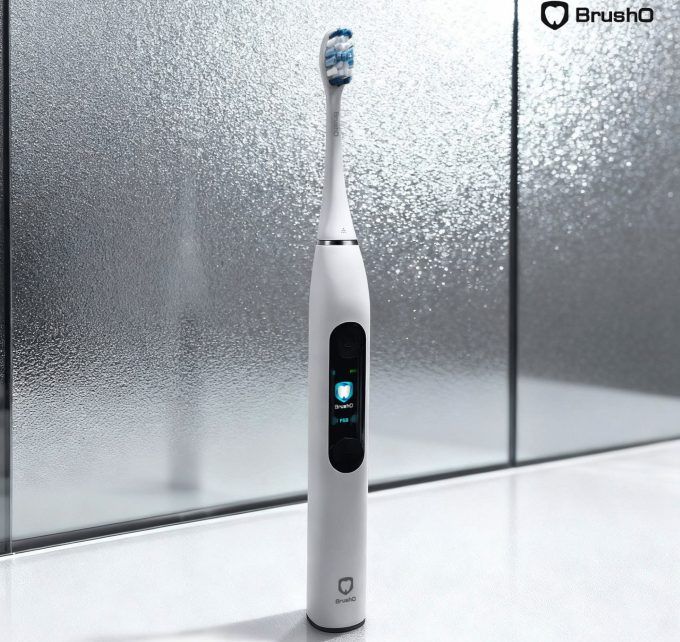
BrushO’s AI-powered electric toothbrush detects subtle patterns in brushing that may indicate enamel erosion, such as:
• Changes in brushing pressure
• Sensitivity zones where users tend to avoid brushing
• Repetitive overbrushing on vulnerable areas
With real-time feedback and post-brush reports, BrushO guides you toward healthier brushing habits—especially if you’re a regular lemon water drinker.
Lemon water isn’t your enemy—but it does require caution. Just as you wouldn’t scrub your face with acid daily, you shouldn’t expose your teeth to it without protection. With smart habits and tools like BrushO, you can enjoy the refreshing taste of lemon water while keeping your enamel intact.
Jul 30
Jul 30
Jul 29
Jul 22
Jul 19
Jul 17

If you are thirsty after brushing, choose plain water. Plan your usual bedtime drink before brushing and skip the immediate rinse at the sink.

Waterpik recommends warm water for its flossers. Check your own model and use comfortably lukewarm water if cold water feels sharp.

Let an intact handle return to room temperature before you consider charging it. Check your manual and watch for signs of battery or housing damage.

Lift away the paste, check the care label, and use cool water on washable fabric. Here is a quick approach for a fresh spot.

Turn the brush off, then check the fit, the connection, and the condition of the head. A second compatible head can help you narrow it down.

Look for a clean, rigid container with a secure lid and keep it with your belongings. A napkin on a lunch tray is easy to clear away.

Check the care directions for your clear retainer. Clinics give different instructions, and the right cleaning method depends on the appliance you received.

Try a gentle rinse first. If the hull sits between teeth and floss moves freely, make a careful pass and stop if it still feels stuck.

A tight gap or rough edge can catch floss. Notice where it snags, keep the movement gentle, and find out when to ask your dentist to check.

Your first sip can taste sharp after brushing. Here is what may be changing and how to make breakfast taste like breakfast again.

A escova elétrica BrushO com IA oferece orientação em tempo real, feedback de pressão, rastreamento de cobertura e relatórios de progresso no app para uma rotina diária mais limpa.
A escova elétrica BrushO com IA oferece orientação em tempo real, feedback de pressão, rastreamento de cobertura e relatórios de progresso no app para uma rotina diária mais limpa.


Address: RM 1427, 14/F RADIO CITY 505, HENNESSY RD CAUSEWAY BAY, HONG KONG
Code: 000000
Phone: +852-53758652
Email: customerservice@brusho.com