
Jul 30
Jul 30
Jul 29
Jul 22
Jul 19
Jul 17
Toothache isn’t just discomfort — it’s a warning. Your body is telling you something is off. While many associate tooth pain with cavities, the reality is far more complex. From gum infections to sinus pressure, multiple factors can trigger pain that ranges from mild twinges to sharp, throbbing sensations. Let’s explore the full spectrum of causes, and how better brushing technique (and smarter tools) can help keep problems at bay.
Cavities, or dental caries, are caused by plaque buildup. Bacteria in plaque feed on sugars, producing acids that erode enamel. Once that protective layer is breached, tooth sensitivity and pain follow.
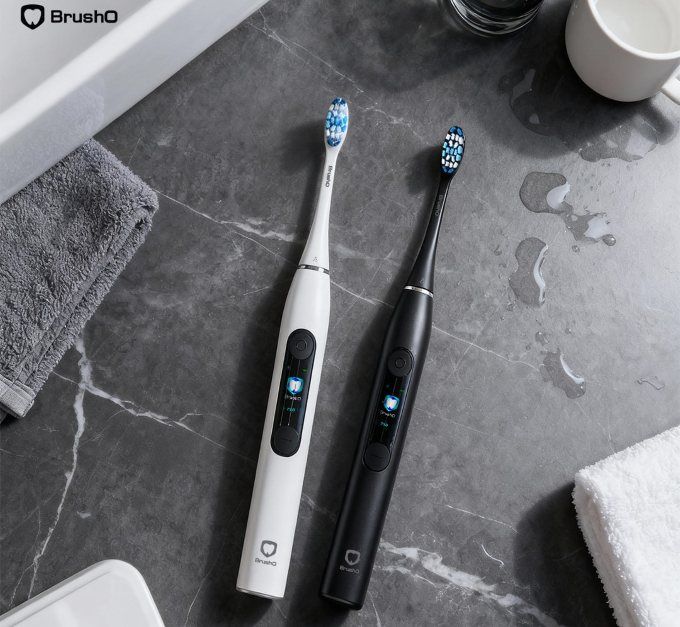
Prevention Tip: BrushO’s zone-guided technology ensures no area of your mouth is missed, helping reduce plaque accumulation — a key factor in cavity prevention.
Tooth pain isn’t always rooted in the tooth. Inflamed gums can lead to pain, bleeding, and even tooth loosening if left unchecked. Infections can spread deeper, affecting the ligaments and bone.
• Swollen or bleeding gums
• Persistent bad breath
• Gum recession
If a sip of cold water makes you wince, you may be dealing with enamel erosion or exposed dentin. Acidic diets, overbrushing, or aging can thin enamel, making nerves more vulnerable.
Use a soft-bristled brush head and gentle pressure. BrushO’s intelligent pressure detection helps avoid enamel damage while still cleaning effectively.
Many people grind their teeth at night without realizing it. Over time, this can wear down enamel, cause cracks, and result in chronic pain or jaw tension.
• Morning headaches
• Jaw soreness
• Flattened biting surfaces
Tiny hairline cracks from biting hard foods or trauma may not be visible, but can lead to sharp pain when chewing or when exposed to hot/cold stimuli.
A lesser-known cause — the roots of your upper molars are close to the sinuses. When sinuses are inflamed or infected, you may feel a deep ache in your upper teeth.
Pain following fillings, crowns, or bleaching is common and usually temporary. But prolonged sensitivity may indicate underlying issues.
If your wisdom teeth haven’t fully emerged or are growing at an angle, they may press against nerves or neighboring teeth, causing pressure and pain.
As gums pull back (due to aging, brushing too hard, or gum disease), the tooth root becomes exposed. This area is more sensitive and lacks enamel protection.
A large percentage of toothaches can be traced back to inconsistent or improper brushing habits. But “brushing” isn’t just about movement — it’s about:
• Covering all surfaces, including gumline and back molars
• Applying the right pressure
• Brushing for the right amount of time
• Using data to track your habits
With BrushO, AI-driven sensors track missed areas, detect overpressure, and give instant feedback. It’s not just brushing — it’s precision care.
A toothache is never “just a toothache.” It’s a signal. Ignoring it can lead to bigger issues — infection, tooth loss, or systemic inflammation. With the right knowledge and tools, you can prevent many of the underlying causes of pain before they even begin.
Jul 30
Jul 30
Jul 29
Jul 22
Jul 19
Jul 17

If you are thirsty after brushing, choose plain water. Plan your usual bedtime drink before brushing and skip the immediate rinse at the sink.

Waterpik recommends warm water for its flossers. Check your own model and use comfortably lukewarm water if cold water feels sharp.

Let an intact handle return to room temperature before you consider charging it. Check your manual and watch for signs of battery or housing damage.

Lift away the paste, check the care label, and use cool water on washable fabric. Here is a quick approach for a fresh spot.

Turn the brush off, then check the fit, the connection, and the condition of the head. A second compatible head can help you narrow it down.

Look for a clean, rigid container with a secure lid and keep it with your belongings. A napkin on a lunch tray is easy to clear away.

Check the care directions for your clear retainer. Clinics give different instructions, and the right cleaning method depends on the appliance you received.

Try a gentle rinse first. If the hull sits between teeth and floss moves freely, make a careful pass and stop if it still feels stuck.

A tight gap or rough edge can catch floss. Notice where it snags, keep the movement gentle, and find out when to ask your dentist to check.

Your first sip can taste sharp after brushing. Here is what may be changing and how to make breakfast taste like breakfast again.


Address: RM 1427, 14/F RADIO CITY 505, HENNESSY RD CAUSEWAY BAY, HONG KONG
Code: 000000
Phone: +852-53758652
Email: customerservice@brusho.com
