
Jul 30
Jul 30
Jul 29
Jul 22
Jul 19
Jul 17
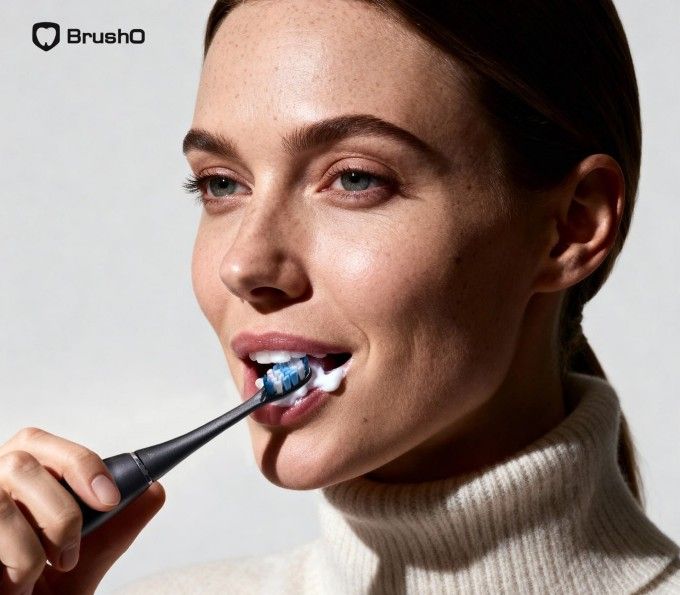
Dry brushing refers to brushing your teeth without using any water or toothpaste. Some people turn to it for quick cleans or as a trendy alternative to traditional brushing. While it may seem harmless — or even effective at first glance — it can do more harm than good if practiced regularly.
• Convenience: No sink or water required.
• Minimalism: Fewer products, less mess.
• False Assumptions: Thinking that brushing alone (without toothpaste) removes enough plaque.
However, while it might feel “clean,” dry brushing lacks the protective and restorative benefits of fluoride toothpaste — and this has real consequences for your oral health.
Toothpaste is essential not just for cleaning, but also for remineralizing enamel. Fluoride strengthens teeth and helps reverse early-stage decay — something a dry brush simply cannot provide.
Brushing without toothpaste means no lubricating agent, increasing the risk of:
• Tooth enamel erosion
• Gum irritation or recession
Especially with manual or electric toothbrushes that use strong bristles or fast movement.
Toothpaste contains mild abrasives and detergents that help lift away plaque and debris. Without it, you may be missing sticky biofilms that lead to cavities or gingivitis.
Dry brushing leaves behind:
• Bad breath
• Bacterial residue
• No anti-microbial effect
Especially important after meals or first thing in the morning.
BrushO doesn’t just clean — it enhances your brushing experience with intelligent feedback. Even if you’re tempted to skip toothpaste occasionally, BrushO’s smart system ensures you never skip on effectiveness.
Prevent over-brushing — even when there’s no paste to cushion the strokes.
BrushO ensures all zones (including hard-to-reach spots) get equal attention — no more guesswork.
If you’ve been dry brushing and feel sensitivity, BrushO’s Ultra-Gentle Mode helps you ease back into healthier habits.
Never forget the toothpaste again. The BrushO app encourages complete routines with daily scores, reminders, and habit tracking.
If you’re traveling, in a pinch, or between meals, dry brushing may help temporarily freshen your mouth — but it should not replace a complete brushing routine with toothpaste twice a day.
🔁 Always rinse afterward and follow up with proper brushing as soon as possible.
Dry brushing may seem like a quick fix, but the risks to your enamel, gums, and overall oral hygiene aren’t worth it in the long run. Using a high-performance brush like BrushO, with the right toothpaste, ensures your smile stays healthy, protected, and fresh — every time.
Jul 30
Jul 30
Jul 29
Jul 22
Jul 19
Jul 17

PPM describes concentration, not the amount to put on the brush. Learn how to read fluoride information while keeping regional guidance and individual advice in view.

That forgotten tube deserves a label check. Learn what toothpaste shelf-life information refers to, why storage matters, and how to avoid guessing from appearance.

Clear gel or opaque paste? Texture is only one feature. Learn which label details matter when comparing toothpastes for your brushing routine.

Minty toothpaste can create a cooling sensation without being chilled. Explore what menthol does and why a fresh feeling is different from complete cleaning.

The sound of a powered brush comes with its moving mechanism. Learn how normal operating noise differs from alerts or an unexpected change that needs checking.

Toothpaste on the mirror? Check when you switch the brush on and off, how you position it, and how to pause without rushing your routine.

A whitening brushing program and a bleaching treatment are different things. Learn how to interpret mode names, surface-stain claims, and realistic expectations.

A tiny cluster of bristles serves a different purpose from a full-size head. Learn where a single-tuft brush may fit into an individually recommended cleaning routine.

Angled tufts, different bristle heights, and the angle of your hand are separate design questions. Learn how to read a toothbrush-head description clearly.

A larger head is not an automatic shortcut to cleaner teeth. Learn how head size affects access, positioning, and the fit of your daily brushing routine.

BrushO AI電動歯ブラシは、リアルタイムのブラッシングガイド、圧力フィードバック、磨き残しの確認、アプリでの進捗レポートにより、毎日のケアをより清潔にサポートします。


Address: RM 1427, 14/F RADIO CITY 505, HENNESSY RD CAUSEWAY BAY, HONG KONG
Code: 000000
Phone: +852-53758652
Email: customerservice@brusho.com