
Jul 30
Jul 30
Jul 29
Jul 22
Jul 19
Jul 17
While brushing and flossing remain the cornerstone of oral hygiene, what you eat also plays a vital role in maintaining strong and healthy teeth. Certain chewing snacks can naturally support oral health by stimulating saliva flow, strengthening enamel, and even cleaning your teeth as you chew. In this article, we explore the best snacks for your teeth—including crunchy vegetables, xylitol gum, and calcium-rich options—while explaining how each choice contributes to your overall dental wellness. Plus, find out how a smart toothbrush like BrushO can complement these natural efforts for a complete oral care routine.
Chewing stimulates saliva production, which is the mouth’s natural defense against harmful acids and bacteria. Saliva helps neutralize plaque acids, remineralize enamel, and wash away food particles. Choosing the right chewing snacks can maximize these benefits and support long-term dental health.
Crunchy foods like apples, celery, and carrots act like natural toothbrushes. Their texture scrubs away plaque as you chew and promotes saliva production.
• Apples: High in fiber and water, apples clean teeth and freshen breath.
• Carrots & Celery: These raw veggies contain vitamin A and help massage gums while clearing food debris.
Tip: Eat raw, not cooked, to maintain texture benefits.
Calcium strengthens tooth enamel and helps maintain bone density in the jaw.
• Cheese: Also rich in phosphates, cheese balances mouth pH and protects against cavities.
• Greek Yogurt: Loaded with probiotics and calcium, yogurt helps fight bad bacteria and strengthens teeth.
Choose plain, unsweetened versions to avoid added sugars that feed harmful oral bacteria.
Gum sweetened with xylitol not only freshens breath but also fights cavity-causing bacteria. Xylitol disrupts bacterial metabolism and helps prevent plaque buildup.
Key Benefit: Chewing xylitol gum after meals reduces acid attacks and supports remineralization.
Hard, fibrous foods like almonds and sunflower seeds stimulate saliva and provide essential minerals like magnesium and phosphorus.
• Almonds: Low in sugar and high in calcium, they’re ideal tooth-strengthening snacks.
• Sunflower Seeds: Rich in nutrients that promote gum health.
Avoid overly salty or sugar-coated versions.
Some sugar-free mints now contain calcium, fluoride, or xylitol, helping to freshen breath and protect enamel at the same time. Be sure to read labels and avoid acidic or erosive ingredients.
Even if a snack seems healthy, it might harm your teeth if it’s:
• Sticky (dried fruits)
• High in sugar (flavored protein bars)
• Acidic (citrus candies, sour gummies)
Opting for whole, crunchy, low-sugar foods can make a big difference in long-term oral health.
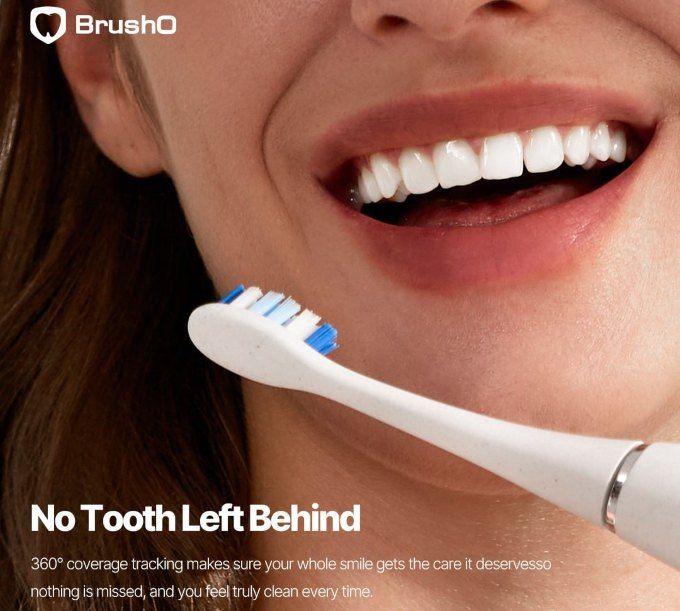
Even the best snacks won’t replace the need for brushing. That’s where BrushO comes in:
• FSB Technology monitors brushing pressure, time, and coverage to prevent enamel damage.
• Smart App shows missed spots and offers customized feedback.
• Reward System: Earn $BRUSH tokens every time you complete your brushing session properly, turning your routine into a rewarding habit.
Pairing the right diet with smart tools makes your oral care more holistic and effective.
Healthy chewing snacks can play a major role in strengthening enamel, reducing plaque, and maintaining a clean mouth throughout the day. When combined with consistent brushing using a smart toothbrush like BrushO, you’re setting yourself up for lifelong oral health.
Jul 30
Jul 30
Jul 29
Jul 22
Jul 19
Jul 17

The xerostomia is the symptom that the patient describes as the dry mouth, and the Sjogren syndrome is the systemic autoimmune condition that the clinician identifies as one of the causes that the symptom reveals. The dry mouth that the patient reports may follow the medication, the radiation, th...

The sinus lift is the augmentation procedure that the clinician performs to create the bone height that the posterior maxilla requires for the implant, and the choice between the lateral window and the transcrestal approach determines the surgical trauma, the healing, and the implant that the sit...

Post-extraction bleeding is one of the most common and most distressing experiences after a tooth extraction. For most patients, a small amount of oozing from the extraction site for 24 to 48 hours after the procedure is completely normal. However, when bleeding becomes excessive, prolonged, or d...

The skeletal class III malocclusion is the condition that the clinician treats with the orthognathic surgery or the camouflage orthodontic treatment, and the decision between the two paths determines the function, the aesthetics, and the stability that the patient receives. The orthognathic surge...

Interproximal enamel reduction — commonly referred to as IPR, slenderizing, stripping, or contouring — is the controlled removal of small amounts of enamel from the proximal surfaces of teeth. Despite sounding more invasive than it is, IPR is one of the most widely used and clinically safe proced...

The gingival graft is the surgical procedure that the periodontist performs to restore the keratinized tissue and to cover the exposed root, and the choice between the free gingival graft and the connective tissue graft determines the outcome that the patient receives. The free gingival graft har...

Denture adhesives — commonly known as fixatives or denture creams — are among the most widely used adjuncts in prosthodontic care. Millions of complete and partial denture wearers use some form of adhesive daily, often without a clear understanding of what these products do, when they should be u...

When a young patient presents with an immature tooth that has lost its vitality — typically due to trauma or deep caries — the endodontist faces one of the most consequential decisions in paediatric endodontics. The permanent root has not finished forming, the apex remains open, and the tooth is ...

The ankyloglossia is the condition that the lingual frenulum restricts the movement of the tongue, and the release of the frenulum in the infant is the procedure that the clinician performs to restore the function that the feeding and the speech require. The assessment that the clinician performs...

Dental amalgam fillings have been in clinical use since the mid-19th century, making them one of the most historically established restorative materials. In 2026, the conversation around amalgam replacement has shifted from a simple material preference debate to a nuanced clinical assessment of w...

BrushO AI電動歯ブラシは、リアルタイムのブラッシングガイド、圧力フィードバック、磨き残しの確認、アプリでの進捗レポートにより、毎日のケアをより清潔にサポートします。


Address: RM 1427, 14/F RADIO CITY 505, HENNESSY RD CAUSEWAY BAY, HONG KONG
Code: 000000
Phone: +852-53758652
Email: customerservice@brusho.com